In 1992, California finished removing feral goats from San Clemente Island; a rare native plant later rebounded to more than 3,500 individuals
The successful removal of feral goats from San Clemente Island led to a remarkable recovery of the endangered San Clemente Island paintbrush, showcasing the potential for ecological restoration and species revival.
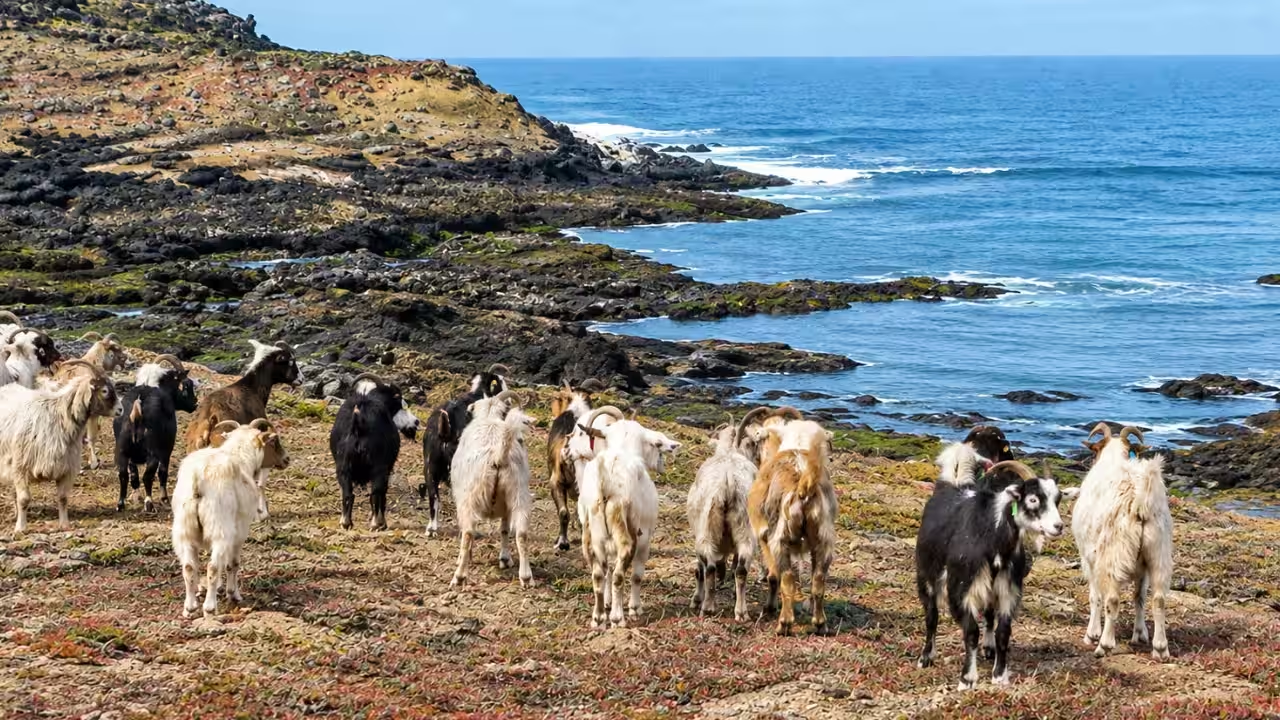
On San Clemente Island, off the coast of Southern California, an unlikely conservation story unfolded after one of the island's most damaging pressures was finally removed. Feral goats had grazed across the island for generations, stripping vegetation, trampling the ground, and causing erosion. Among the plants affected was the San Clemente Island paintbrush (Castilleja grisea), a small perennial found nowhere else.According to Annals of Botany, by the time the goats and other non-native grazing animals had been removed in the early 1990s, the San Clemente Island paintbrush had become extremely rare. Once grazing pressure ended, the plant began reappearing in areas where it had been difficult to find. Surveys in the late 1990s recorded more than 3,500 individuals, consistent with a substantial recovery after goat removal.How grazing reshaped the islandSan Clemente Island had been extensively used by livestock for many years. Sheep, cattle, pigs, and goats had been brought to the island, and the grazing practices over decades damaged the native vegetation. In addition to eating vegetation, the livestock trampled plants and carved trails that contributed to soil erosion. The goats were difficult to remove because they could survive in the island’s rugged terrain and hide in inaccessible areas.According to the Santa Barbara Botanic Garden, the US Navy began an organised feral-goat eradication programme in 1972, working with other organisations to remove goats from San Clemente Island over the following decades. As the population became smaller and more difficult to locate, the programme later used the "Judas goat" technique, in which radio-collared goats helped researchers find groups of goats that remained in remote areas. Between 1989 and 1991, 263 goats were killed during this later phase of the eradication effort. By 1992, the remaining non-native ungulates had been removed from the island, ending decades of grazing pressure on its native vegetation.The paintbrush begins to returnThe San Clemente Island paintbrush was once fairly common, but intensive grazing sharply reduced its numbers. In 1977, it was placed on the federal endangered species list. By the late 1970s, only a few plants were known to remain. But the situation changed once the goats disappeared from the scene. Research published in Annals of Botany also notes that the plant began to rebound after the goats were removed, with more than 3,500 individuals counted in the late 1990s. Scientists studying the plant’s genetics noted fairly high genetic diversity despite its long period of scarcity.Surveys in 1996 and 1997 recorded 77 populations and about 3,500 individual plants. Later surveys found even larger numbers. From 2003 to 2006, researchers recorded 198 populations containing an estimated 9,718 individual plants. Vegetation around San Clemente Island also recovered after the feral goats were eradicated, with native plants able to persist in areas that were previously exposed to heavy grazing pressure.Recovery did not mean the work was overThe removal of the goats took away one of the greatest pressures that the paintbrush faced, but it was not the only problem. The plant’s recovery took place amid concerns about soil erosion, invasive plants, fire, land use, and military activity. The US Fish and Wildlife Service has noted that some of the plant's current distribution may reflect areas where steep terrain once protected it from goats. Seeds may also have remained in the soil, allowing the species to recolonise areas after grazing ended. This suggests the recovery had multiple contributing factors, though removing non-native herbivores addressed the primary threat identified when the plant was listed.Nevertheless, the plant’s recovery was strong enough to prompt a change in its legal status. The San Clemente Island paintbrush was delisted from the endangered species list in 2023. The US Fish and Wildlife Service says the species recovered after non-native herbivores were removed. Once grazing pressure ended, the plant had a chance to grow again. The plant recovered from a small number to thousands.You use AI every day. Now get your AI Quotient. Take the AIQ test.
Topics in this story
Gathered from external sources. Rights to this text belong to whoever originally published it.