California records something never before confirmed on the US West Coast as two olive ridley sea turtle nests produce more than 70 hatchlings
California has recorded an unprecedented wildlife event after two olive ridley sea turtles laid eggs on beaches along the state's coast, marking the first
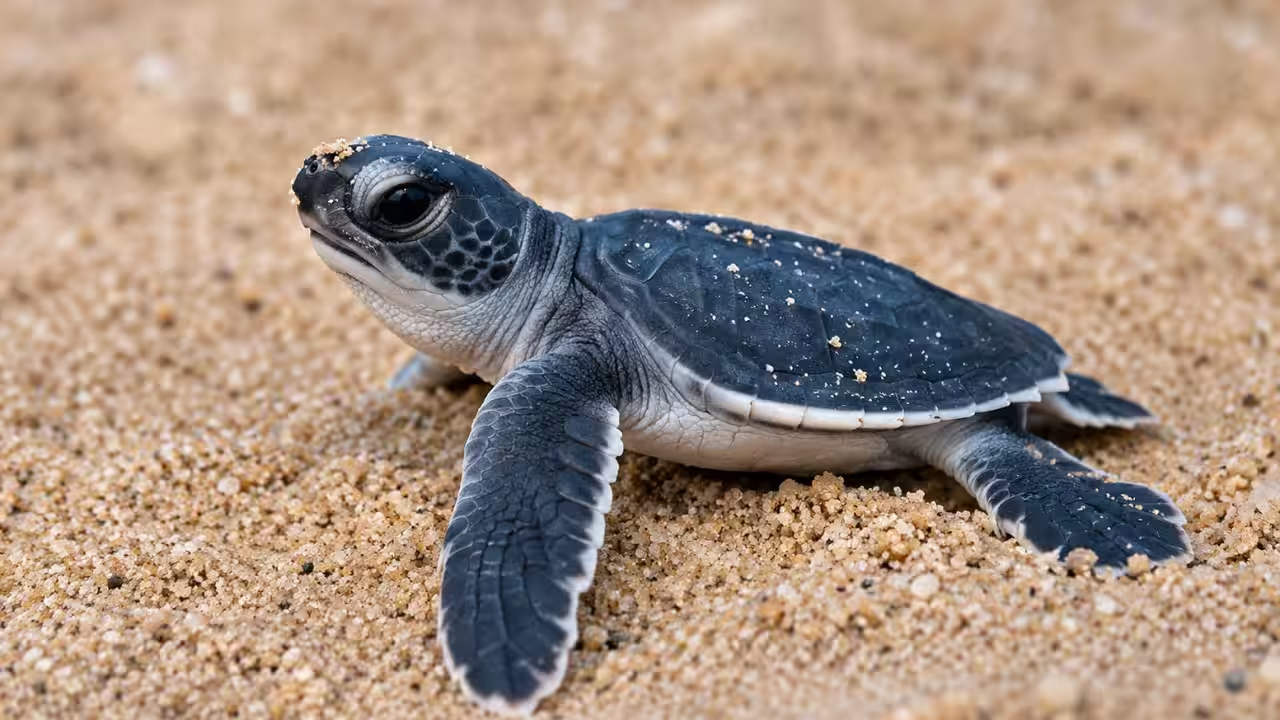
California has recorded an unprecedented wildlife event after two olive ridley sea turtles laid eggs on beaches along the state's coast, marking the first confirmed natural sea turtle nests on the US West Coast. The nests were discovered in September 2026 at Seal Beach and Huntington Beach, surprising researchers who had not previously documented the species nesting in the region. With high tides and approaching tropical storms threatening the eggs, an inter-agency team moved them to the Aquarium of the Pacific in Long Beach for protection. The eggs later hatched, producing 75 baby turtles. The hatchlings were subsequently released into the Pacific Ocean in November, turning an unexpected discovery into a significant milestone for marine conservation.Two olive ridley sea turtles make history with first confirmed West Coast nestsThe first olive ridley sea turtle was observed digging a nest and laying eggs at Seal Beach in Orange County on September 16. Three days later, another turtle was spotted nesting near the Huntington Beach Pier, around eight miles away.The discoveries marked the first recorded instances of natural sea turtle nesting on the US West Coast. Olive ridley turtles are generally associated with tropical and warm waters across the Pacific, Indian and Atlantic oceans, with major nesting populations found in countries including Mexico, Nicaragua, Costa Rica and Panama.Researchers used photographic identification to study the two turtles. The discovery prompted local, state and federal agencies to work together to monitor and protect the nests.More than 200 eggs moved to safetyThe nesting sites faced the threat of high surf and rising tides as tropical storms approached the California coast. Wildlife officials and biologists decided to relocate the eggs to prevent the nests from being washed away.On September 25, an inter-agency team collected 204 eggs from the two beaches and transported them to the Aquarium of the Pacific in Long Beach. The eggs were placed in incubators under sand inside a secure facility, where aquarium staff monitored temperature and humidity throughout the incubation period.Olive ridley eggs typically take between 45 and 60 days to hatch. The aquarium's animal care team monitored their development while working with federal and local partners.75 hatchlings make their way into the PacificThe first successful hatching took place in November. On November 14, 54 olive ridley hatchlings from the Seal Beach nest were released into the ocean near the location where their eggs had originally been laid.A second group followed the next morning. On November 15, another 21 hatchlings from the Huntington Beach nest were released near their original nesting site. Together, the two releases brought the number of baby turtles entering the Pacific to 75.The hatchlings were transported from the aquarium back to the beaches and placed on the sand, allowing them to crawl towards the ocean. Aquarium staff and wildlife partners carried out the releases during the early morning hours.Could El Niño have brought the turtles north?Scientists are examining whether unusually warm ocean conditions helped the olive ridley turtles reach California. A strong El Niño and an extreme marine heatwave pushed Southern California's water temperatures closer to those found in the turtles' usual nesting grounds.The Aquarium of the Pacific said the unusual nesting behaviour may have been influenced by changing weather patterns, the approaching El Niño, a recent tropical storm, natural range expansion or navigational errors. The precise reason the turtles selected these beaches remains unknown.The discovery has raised questions about whether olive ridleys could begin nesting farther north more frequently. Researchers are continuing to monitor the coastline for additional nesting activity.A difficult journey lies ahead for the hatchlingsReaching the ocean is only the beginning of the young turtles' struggle to survive. Once in the water, olive ridley hatchlings must avoid predators, find food and navigate towards deeper waters. They swim continuously for several days as they move away from the shoreline.Their chances of reaching adulthood are extremely low. The Aquarium of the Pacific estimates that only around one in 1,000 olive ridley hatchlings survives to adulthood.The aquarium and its partners have urged people to watch for further sea turtle activity along Southern California beaches and report sightings to local lifeguards or wildlife authorities.You use AI every day. Now get your AI Quotient. Take the AIQ test.
Topics in this story
Gathered from external sources. Rights to this text belong to whoever originally published it.