In 2007, Serena Williams helped fund a secondary school in rural Kenya and backed a second in 2010; years after their openings, both schools are still operating as part of Kenya's public education system
Tennis legend Serena Williams is known for her record-breaking career on the court, but two secondary schools she helped establish in rural Kenya have
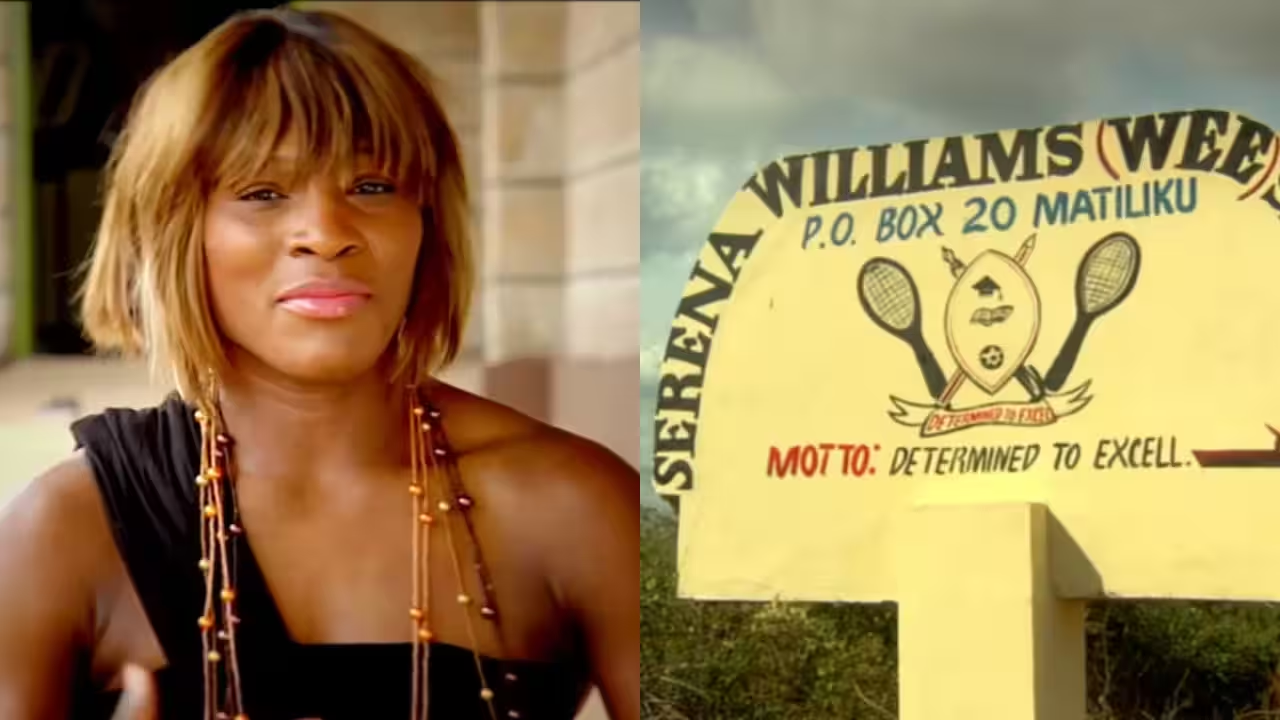
Tennis legend Serena Williams is known for her record-breaking career on the court, but two secondary schools she helped establish in rural Kenya have left a legacy beyond sports. In 2007 and 2010, Williams partnered with Hewlett-Packard (HP) and the nonprofit Build African Schools to fund and open two schools in the East African country. More than a decade later, both institutions continue to operate as places of learning and are integrated into Kenya’s national education system, according to Build African Schools.The organisation identifies the institutions as Matooni Serena Williams Secondary School and Wee Serena Williams Secondary School. Its website says both remain open, highlighting how investments in permanent educational infrastructure can continue serving communities long after the initial projects are completed. The initiative was designed to help children in rural areas gain access to secondary education, while HP’s involvement brought computers and other technology into the classrooms.A school in rural KenyaThe first project was Matooni Serena Williams Secondary School, located in the rural Makueni region of eastern Kenya. According to a report published by Kenyan newspaper The Standard on November 15, 2008, Williams travelled to the remote village of Matooni to open the school she had helped build. Her arrival drew residents who welcomed the tennis star with songs and dances. The report described the journey from Nairobi as difficult, with damaged roads making travel through the mountainous region challenging.The school was built under the Build African Schools initiative, founded by Patrick O’Sullivan, in partnership with HP. Its initial structure had four classrooms and was expected to welcome its first students in January 2009.During the opening, Williams encouraged local residents to recognise education as a route to opportunity. The report quoted her as saying, “Education can produce a lot and open the doors for the kids.”The project was intended to give children in the surrounding area an opportunity to continue their studies after primary school. Without access to a nearby secondary institution, students in rural communities can face additional difficulties pursuing further education, including the costs and practical challenges associated with travelling longer distances. The school’s construction therefore addressed a basic but important need: providing a permanent place where students could continue learning.A second school opened in 2010Williams returned to Kenya in February 2010 to support the second project, Wee Serena Williams Secondary School, in the Makueni region. On February 23, she officially opened the institution and unveiled a computer laboratory established through HP’s involvement in the Build African Schools programme. Kenyan broadcaster Capital FM reported that students and local residents welcomed the opening.Williams, who was also serving as a global ambassador for HP, spoke about the importance of education in helping children build their futures. “This is a really special moment to build this school that’s going to help so many kids and build so many futures,” she said, according to the report.The computer laboratory was another significant component of the initiative. HP supplied computers and other technology, helping students gain exposure to digital tools that were not readily available in every rural school.A separate report published by The Standard in February 2010, described Williams teaching students how to use computers during her visit. Students expressed excitement about learning computer skills, with the report highlighting how the equipment could help bridge the digital divide between rural and urban communities.The visit also demonstrated that the initiative extended beyond constructing buildings. It brought together educational infrastructure, technology and encouragement from a prominent international sports figure.How the schools are managed todayBuild African Schools says both institutions remain open and are integrated into Kenya’s national education system. Its wider operating model involves constructing permanent school buildings and handing responsibility for their ongoing management to community boards, with support from Kenya’s Ministry of Education.The organisation’s school directory lists Matooni Serena Williams Secondary School as a 2007 project in Kitui County and Wee Serena Williams Secondary School as a 2010 project in the same county. It also says its schools are permanent structures managed by the communities they serve and integrated into the national education system.This distinction is important: Williams helped fund the projects through a partnership, while the long-term operation of the schools rests within the local educational framework. The organisation’s current website provides the clearest available confirmation that both institutions continue to operate, although the sources cited here do not provide recent enrolment figures or independent inspections of either school.Williams’ wider commitment to educationThe Kenyan schools formed part of Williams’ broader interest in expanding educational opportunities. In February 2010, news agency reports said she wanted to help build a school each year in parts of Africa where access to education remained limited.Her involvement in the two Kenyan projects also included a partnership with HP, which supported the schools with computer facilities and training. The initiative connected the tennis champion’s public profile with a practical local effort to improve educational access.For the communities served by Matooni and Wee, the significance of the projects lies not simply in the presence of Williams’ name on the schools, but in the continued availability of places where students can learn.According to Build African Schools, both institutions remain part of Kenya’s national education system today. Their continued operation offers a long-term perspective on philanthropy: while a school opening may be a single event, the classrooms it creates can serve successive generations of students.You use AI every day. Now get your AI Quotient. Take the AIQ test.
Topics in this story
Gathered from external sources. Rights to this text belong to whoever originally published it.