In 2022, North Carolina finished turning 80,000 tons of demolished Bonner Bridge concrete into eight reefs; the state’s largest artificial reef project
US News: North Carolina recently finished disposing of the demolished Herbert C. Bonner Bridge in May 2022, and the state transported about 80,000 tons of conc.
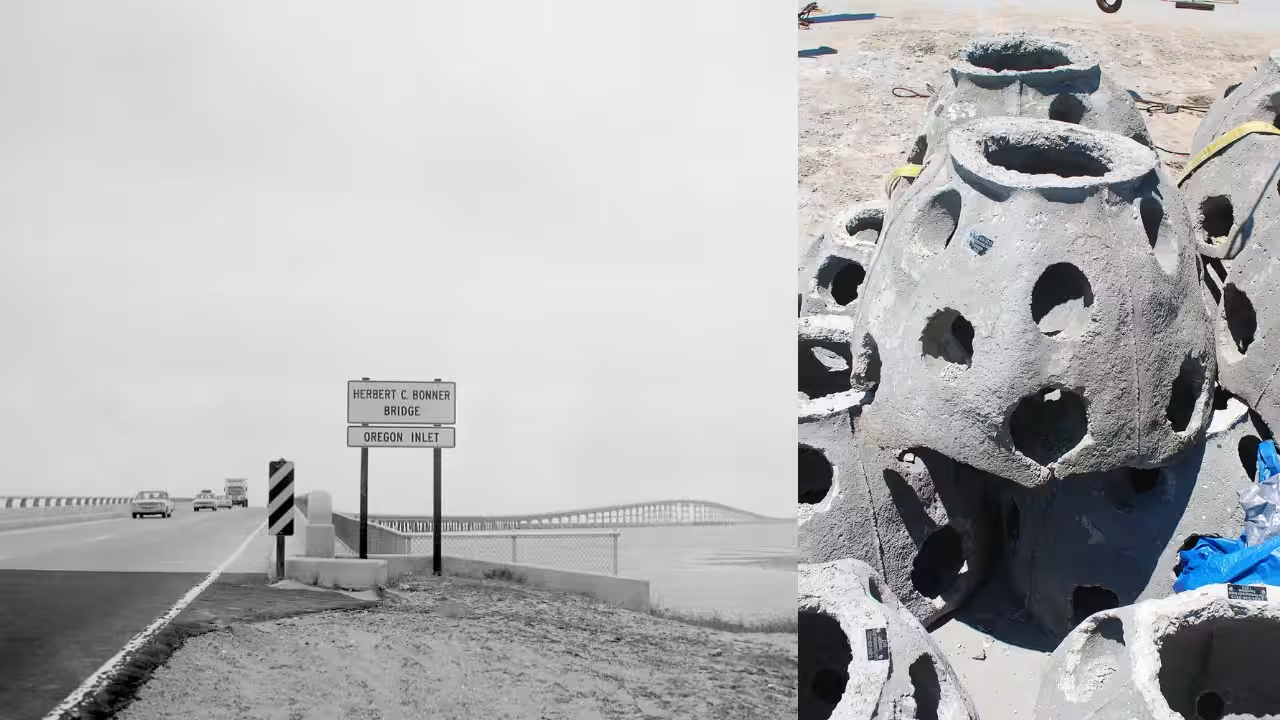
North Carolina recently finished disposing of the demolished Herbert C. Bonner Bridge in May 2022, and the state transported about 80,000 tons of concrete from the bridge in 68 barge loads and placed it across eight artificial reef sites along the coast. The North Carolina Division of Marine Fisheries describes it as the single largest artificial reef project in the state.From Oregon Inlet bridge to offshore reef materialThe Herbert C. Bonner Bridge had been carrying traffic over Oregon Inlet on the Outer Banks for more than five decades. The bridge was replaced by the Marc Basnight Bridge, which opened in 2019, and the old structure had to eventually be dismantled. North Carolina incorporated it into its existing artificial reef program instead of treating all of the demolished concrete as waste. The material was taken offshore and placed at reef sites where concrete could form additional structure on the seafloor.The project was part of a greater effort between the North Carolina Department of Transportation and the Division of Marine Fisheries that began in 2019, and the final disposal work was completed in May 2022. A state announcement issued that June said the 68 barge loads represented approximately 80,000 tons of concrete and the largest amount of material that has been associated with any artificial reef project in the history of the program.Eight reef sites received pieces of the bridgeThe concrete was divided among eight existing artificial reef sites: AR-130, AR-140, AR-145 and AR-160 off Oregon Inlet; AR-250 and AR-255 off Ocracoke Inlet; AR-320 off Beaufort Inlet; and AR-340 off Bogue Inlet. A North Carolina Division of Marine Fisheries presentation later listed approximately 31,200 tons at AR-160, 15,600 tons at AR-145, 14,400 tons at AR-140 and 13,200 tons at AR-130, and smaller amounts were placed at the other four sites. The arrangement also spread the material across different parts of the North Carolina coast rather than concentrating the entire project around Oregon Inlet.Why concrete is used on artificial reefsArtificial reefs require durable material that can remain underwater and create physical structure for marine life. North Carolina's reef program uses several types of material, which includes concrete pipe, bridge debris, vessels and purpose-built reef structures. Concrete rubble can create holes, ledges and uneven surfaces on the seafloor, and these structures provide places where fish and other organisms can shelter and feed. The state's artificial reef program has been building and enhancing reefs since the 1970s, and its current information describes recycled concrete as one of the common materials used for offshore reef construction.The reefs are used by fishers and diversThe Bonner Bridge material was placed on reef sites that were already part of North Carolina's artificial reef network. The state's 2023 Coastal Recreational Fishing Digest said that the eight sites were locations used by anglers seeking species including sea bass, triggerfish, grouper, king mackerel and amberjack.PBS North Carolina reported that the bridge concrete was distributed among four reefs off Oregon Inlet, two off Ocracoke Inlet, one off Beaufort Inlet and one off Bogue Inlet. The report also noted that the bridge had been replaced by the 2.8-mile Marc Basnight Bridge in 2019.A large demolition project became a reef projectThe Bonner Bridge deployment was not just a matter of moving demolition debris from land to the ocean since the concrete had to be broken down, transported by barge and placed at specific reef coordinates. The scale of the material made the project much larger than the state's typical reef enhancements. North Carolina's artificial reef program says the Bonner Bridge project involved 68 barge loads and about 80,000 tons of concrete across eight sites.The completed deployment gave the demolished bridge a second use beneath the water while adding material to reef sites that are now part of the state's long-running artificial reef network.Catch the latest World News and Live updates. Download the TOI app.
Topics in this story
Gathered from external sources. Rights to this text belong to whoever originally published it.