In 2024, researchers turned discarded plastic bottles and stone into pothole-repair surfacing; strength, stiffness and durability exceeded typical road-infrastructure requirements
Researchers at the University of Dodoma developed a new pothole repair material using melted PET plastic bottles combined with sand and gravel, surpassing conventional asphalt performance.
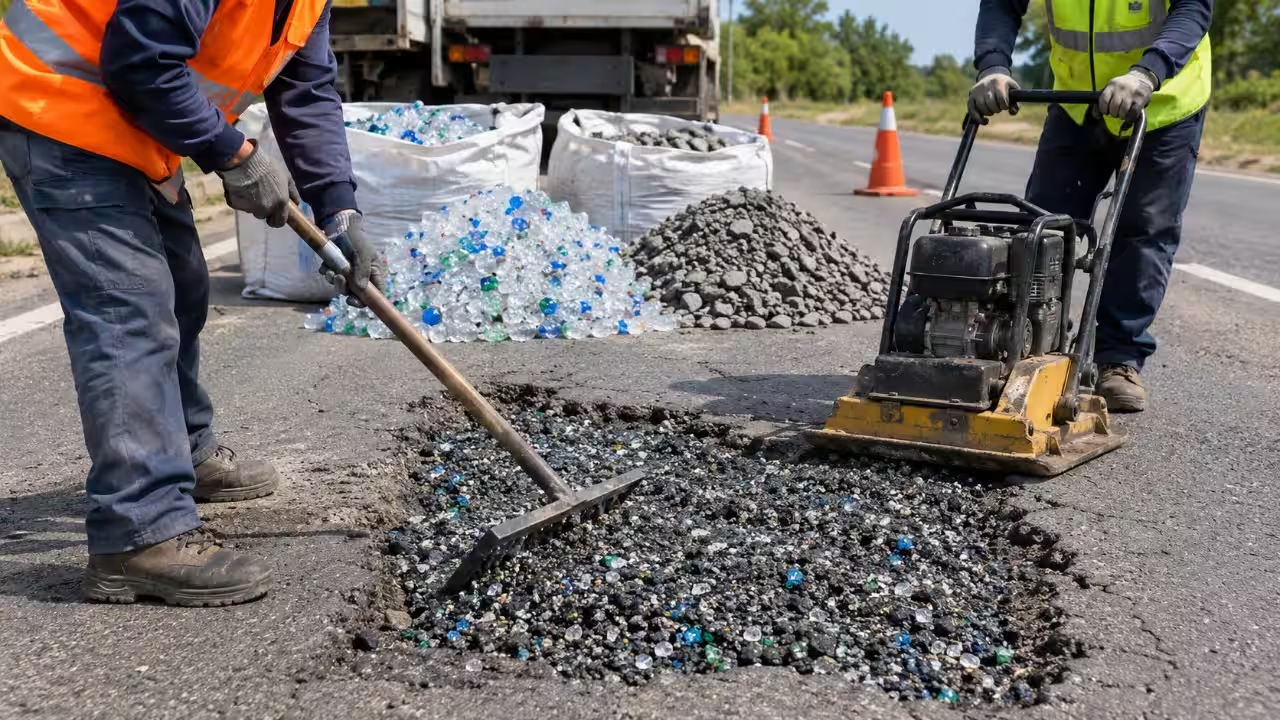
Potholes are a familiar problem for road users, damaging vehicles, slowing traffic and creating hazards for cyclists and pedestrians. Repairing them usually involves asphalt-based mixtures, but these materials can be expensive, and poorly executed patches may deteriorate under repeated traffic loads and exposure to water. Researchers have been exploring whether discarded plastic can offer an alternative, tackling road maintenance and plastic waste at the same time.In December 2024, a study published in Frontiers in Engineering and Built Environment investigated a different approach: melting waste plastic bottles and combining the material with sand and crushed stone to produce a surface for pothole repairs. The research, conducted at the University of Dodoma in Tanzania, found that the best-performing mixture exceeded conventional benchmarks in several mechanical tests.Turning plastic waste into a road-repair materialThe research addressed two related problems: plastic pollution and road-maintenance costs. PET (polyethene terephthalate) is widely used in beverage packaging and discarded after use. Finding a use for this type of plastic could help divert some of it from disposal while reducing dependence on conventional construction materials. To experiment, the scientists collected used PET bottles from the University of Dodoma campus. The bottles were washed, cut into pieces measuring 10–20 mm, and dried in the sun for 24 hours. The plastic was then heated to 280°C before being mixed with sand and gravel in different proportions. The optimum mixture was later identified as 30% PET, 30% sand and 40% gravel by weight.Mixes were formed with varying percentages of PET, sand, and gravel to find out which one gave better mechanical results. This included mixes made entirely of PET as well as mixes with varying amounts of plastic and aggregate. The scientists created samples out of these materials and analysed them in laboratories. This was done with the intention of coming up with a formulation that can give the stability and stiffness required for pothole repair.The best-performing mixtureThe best-performing mixture contained 30% PET plastic, 30% sand and 40% gravel by weight. It was observed that the equilibrium ratio between the plastic binding agent and mineral aggregate components is crucial; an excess of plastic would make the mixture less strong. The right balance of sand and gravel made the mixture stronger and denser. Three factors were considered in analysing the material's behaviour.First was the Marshall Stability, which reflects resistance to deformation. The optimum mixture scored 59.78 kilonewtons (kN), compared with the usual 7–15 kN for common asphalt mixtures. The second test was the indirect tensile strength test, which evaluates a material’s resistance to tensile stress and cracking. This formulation had a tensile strength of 5,909 kilopascals (kPa). Third, the stiffness modulus was used to evaluate how the material responds to applied forces. In this test, they obtained a result of 36,145 megapascals (MPa). Based on these findings, the material met the mechanical requirements set by the researchers.From laboratory success to real-world roadsThese results suggest a way to use waste bottles as a building material while reducing reliance on traditional road-repair materials. Using locally available sand and gravel may also help in areas with tight road-maintenance budgets and abundant plastic waste. There are some issues that have not yet been clarified. Field tests need to be performed to determine the behaviour of the composite in a real-world setting in the presence of traffic, changing temperatures, and moisture.The energy required for melting should also be considered. Heating PET to 280 degrees Celsius takes energy and requires proper safety controls. Any assessment of the approach's environmental benefits would need to consider processing energy, possible emissions, worker safety, and how the material changes over time. Cost should also be considered. Even though the bottles are not costly, gathering, cleaning, cutting, and melting them does take some effort. A comparison with traditional patching should include these costs, along with installation and maintenance.For now, the study is seen as a promising laboratory result rather than a direct substitute for asphalt. Its primary value is to show that used plastic bottles may act as a binding agent in a sand-and-gravel repair mix without bitumen or cement. If further field tests confirm its strength and reliability, it could become another tool for pothole repair and a useful application for waste plastic bottles. It remains to be seen whether the product will work as reliably in the field as it does in the lab.You use AI every day. Now get your AI Quotient. Take the AIQ test.
Topics in this story
Gathered from external sources. Rights to this text belong to whoever originally published it.