A dangerous El Niño could turn hunger into famine
The developing El Niño could push millions more people into hunger.
Much of the world’s attention today is fixed on election campaigns, polls, predictions and political battles. Headlines are dominated by who is up, who is down and what comes next.
But while candidates compete for votes, another race is unfolding far from the campaign trail: a race against hunger that millions of families are in danger of losing.
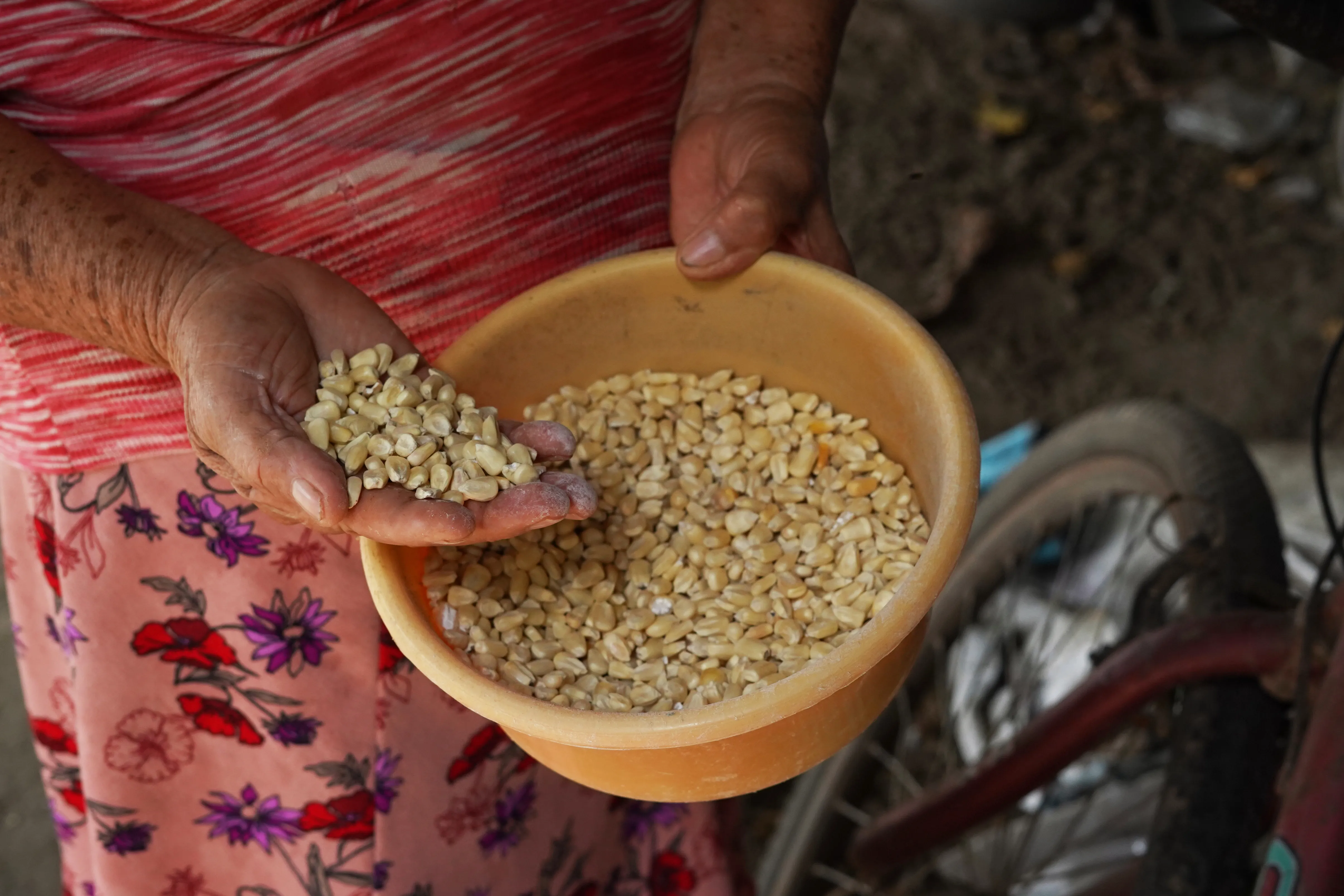
Today, more than 266 million people face acute food insecurity. Yet hunger rarely becomes a headline until it reaches catastrophic levels. By the time images of starving children appear on our screens, families have often been suffering for months, even years.
Famine doesn’t arrive all at once. It arrives slowly, harvest by harvest, meal by meal, until suddenly the world is asking how things got so bad.
The warning signs are already here. Now, a new threat is gathering strength.
Recent forecasts warn that the developing 2026-27 El Niño weather phenomenon could bring drought, flooding, crop losses and rising food insecurity across some of the world’s most vulnerable regions. East and Southern Africa are among the areas of particular concern, where additional climate shocks could drive sharply higher humanitarian needs.
Frontline international humanitarian organizations are reaching a similar conclusion: the developing El Niño could push millions more people into hunger, with particularly severe consequences for women and girls , children and communities already affected by conflict and displacement . Their analyses point to growing food and nutrition risks and worsening food insecurity in places such as Somalia .
Parents are skipping meals so their children can eat. Families are selling livestock and other assets to survive. Children are leaving school, while communities that have already endured conflict, displacement and economic hardship are being pushed closer to the edge.
Now, a new threat is gathering strength.
Recent forecasts warn that the developing 2026-27 El Niño could bring drought, flooding, crop losses and rising food insecurity across some of the world’s most vulnerable regions. East and Southern Africa are among the areas of particular concern, where additional climate shocks could drive sharply higher humanitarian needs.
The danger is not drought alone. It is the collision of multiple crises.
Conflict continues to disrupt food production and trade. Economic pressures are driving up the costs of food, fertilizer and transportation . At the same time, humanitarian resources are shrinking just as needs are increasing. For millions of families already struggling to recover from previous shocks, there is little margin left.
But hunger is one of the few global crises we can often see coming. Early warning systems provide something rare in humanitarian response: a chance to act before lives are lost and communities are pushed into catastrophe.
In fact, some early action is underway. The U.S. government recently announced additional support to help Peru prepare for El Niño-related impacts, underscoring a simple truth: acting on early warnings saves lives and reduces the far greater costs of responding after a crisis takes hold. But more is needed.
Across the globe, American humanitarian organizations are already working alongside local partners to help communities prepare for additional shocks. They are supporting farmers, strengthening local food systems, protecting livelihoods and helping vulnerable families withstand crises. These efforts rarely make headlines, but they can determine whether a shock becomes a hardship or a humanitarian disaster.
As Congress and the administration make decisions about funding and priorities for the year ahead, they face a straightforward choice: act on the warnings we already have or wait until preventable suffering becomes a full-blown humanitarian emergency that is far more costly, both financially and humanly.
Hunger is not inevitable. We know the warning signs. We know what works. The question is whether we choose to act before today’s warning becomes tomorrow’s crisis.
Tom Hart is president and CEO of InterAction, the national alliance of U.S.-based nongovernmental organizations.
Topics in this story
Gathered from external sources. Rights to this text belong to whoever originally published it.