Australia planned to sell 67 military sites to raise $1.8 billion, but public protests over Sydney's 166-year-old Victoria Barracks prompted a November 8 reversal that will keep four historic sites publicly owned
The Australian government has dropped plans to sell several historic military sites, including the 166-year-old Victoria Barracks in Sydney.
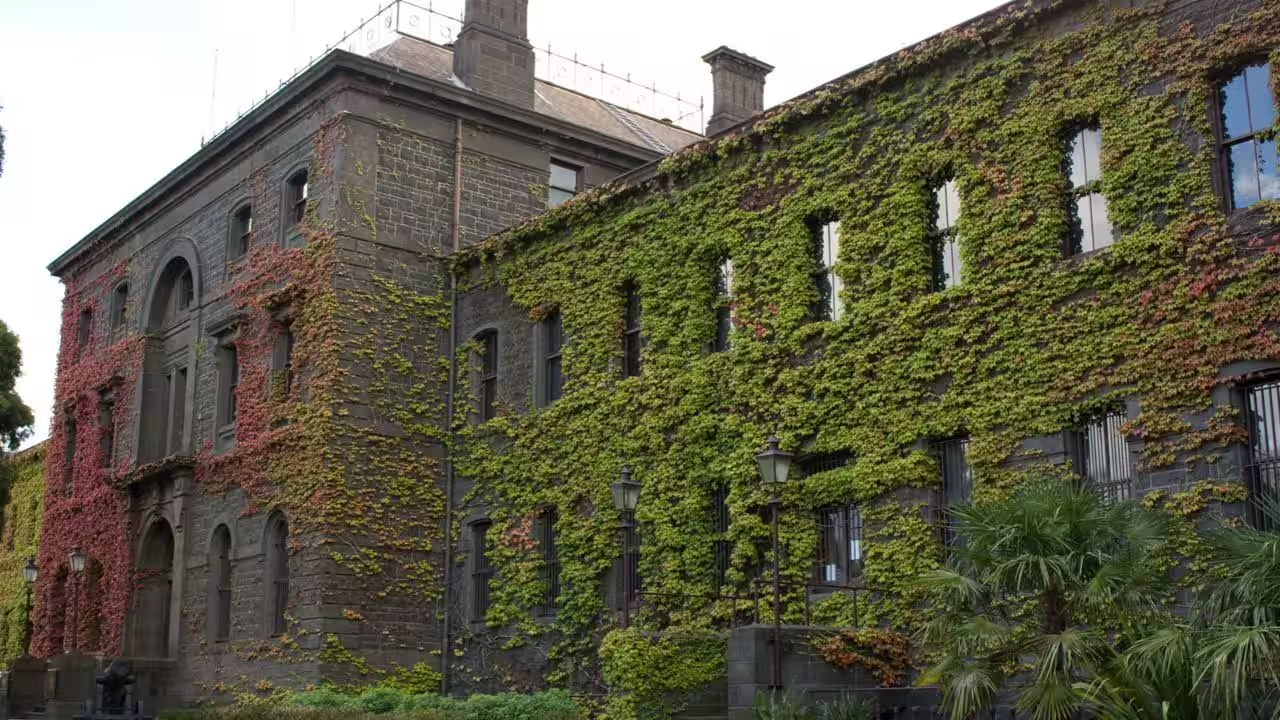
The Australian government has dropped plans to sell several historic military sites, including the 166-year-old Victoria Barracks in Sydney. The decision follows strong public opposition and concerns about protecting the country's military history. Prime Minister Anthony Albanese and Deputy Prime Minister Richard Marles announced the change on Sunday, 8 November 2026. They confirmed that Victoria Barracks in Sydney and three other important heritage sites will remain in public hands. The decision is a major change to the government's wider plan to sell military land that is no longer being used. The plan followed an independent review of Defence properties, which recommended selling or partly selling 67 sites. The sales were expected to raise between $1.8 billion and $3 billion for military upgrades. Under the revised plan, four important historic sites will remain publicly owned. The government will now look at other public, heritage and commercial uses for the properties.Heritage sites spared from private saleThe main site affected by the decision is Victoria Barracks in Paddington, Sydney. The historic sandstone complex was built between 1841 and 1848 and is considered one of Australia's finest examples of British military architecture. "Victoria Barracks Sydney has a special place in our nation's history, and we will be keeping it in public hands," Albanese said in an official statement released by the Prime Minister's office. Along with the Sydney site, the government confirmed that Victoria Barracks in Melbourne, Fort Queenscliff in Victoria and RAAF Williams at Point Cook in Victoria will also remain publicly owned. Instead of selling these properties to private developers, the government plans to work with the Australian War Memorial to record and share their history. Large parts of the military sites, which were previously closed to the public, are expected to become accessible to visitors. "Most Sydneysiders have not availed themselves of the opportunity to see the history that has been made here over such a long period of time," Albanese told reporters while discussing the review of Defence properties.Strategic refocusing and Indigenous land returnsAlthough the four major heritage sites will remain in public hands, the wider sale programme will continue. Dozens of other military properties are still being considered for sale or transfer. The aim is to reduce Defence costs and free up money for new military equipment. Defence minister Richard Marles said the cost of maintaining land that is no longer needed takes money away from important military operations. "Given the strategic landscape we face, we cannot afford to be wasting money," Marles said in a joint statement. "Every person who wears our nation's uniform matters. Every hour they spend in it counts, and every dollar which resources them is precious."As part of the first stage of the plan, some properties will be transferred to local communities or Indigenous groups. The government confirmed that part of the Stokes Hill Fuel Installation in the Northern Territory will be returned to its Traditional Owners, the Larrakia people. The area includes land registered as sacred under Northern Territory law. Other sites, including Kowandi North in Darwin, will be considered for future uses that support housing and community needs. The government has also outlined plans for the remaining parts of HMAS Penguin in New South Wales, where the Angophora Forest will be transferred to the Sydney Harbour Federation Trust.You use AI every day. Now get your AI Quotient. Take the AIQ test.
Topics in this story
Gathered from external sources. Rights to this text belong to whoever originally published it.