An anonymous donor gave Cincinnati $1.8 million to restore 228 acres of forest; the 5-year project is the city's biggest park reforestation effort in nearly 100 years
US News: An anonymous donor has given Cincinnati $1.8 million to restore 228 acres of forest at French Park in Amberley Village. The five-year project is being.
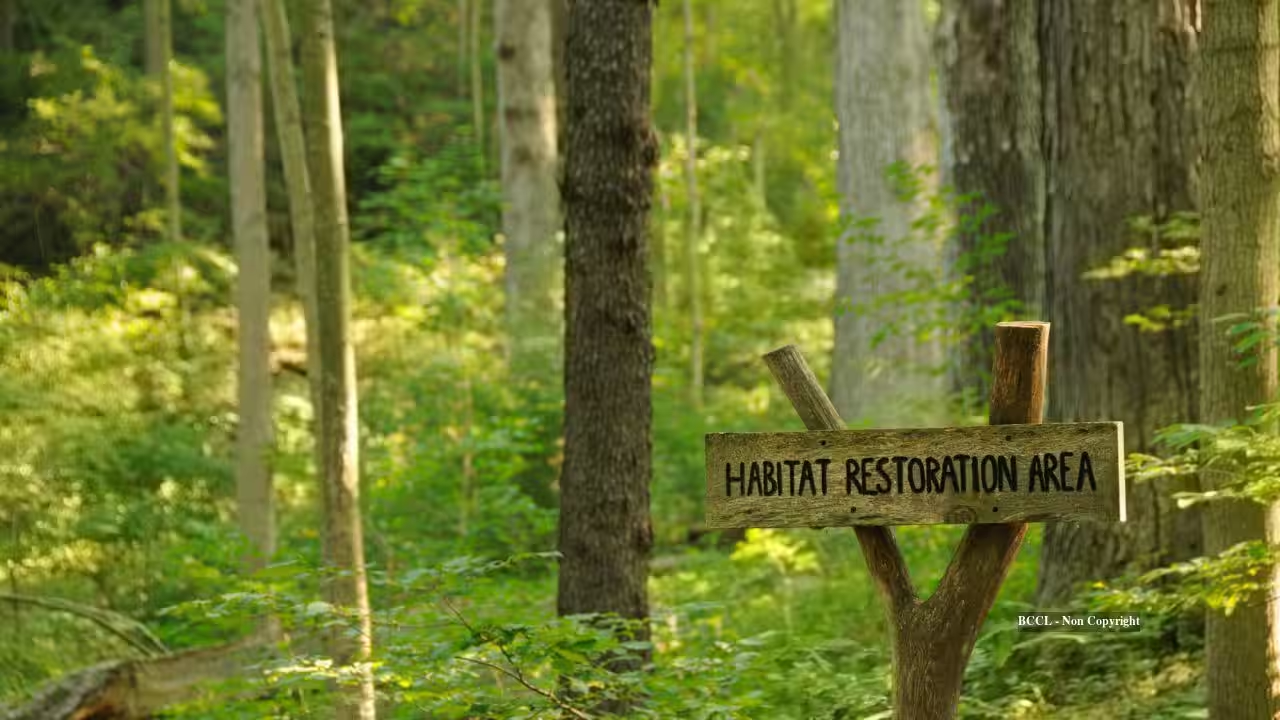
An anonymous donor has given Cincinnati $1.8 million to restore 228 acres of forest at French Park in Amberley Village. The five-year project is being described as the city’s largest reforestation effort in a park in nearly 100 years. According to WVXU, the restoration will focus on removing invasive plants, planting native trees, improving wildlife habitat and upgrading trails and access points. The donation will also fund a Natural Resource Specialist who will supervise the work throughout the project. French Park is spread across more than 280 acres and includes wooded hillsides, creeks, meadows, hiking trails and an event space. The Cincinnati Parks Foundation believes the effort could eventually become a model for restoring urban forests in other Cincinnati parks and beyond.A major restoration effort begins at French ParkCincinnati Parks has begun work on what it calls its largest reforestation effort in a city park in nearly a century. The project is centred on French Park, a large natural area whose forests have increasingly been affected by invasive plants.The $1.8 million donation will support restoration work over five years. Although the donor has chosen not to reveal their identity, the gift will have a public impact. Residents and visitors will be able to see the results as sections of the park are cleared, replanted and improved.The first phase of work is already underway. Crews are removing invasive species, including honeysuckle, privet and burning bush. These plants can spread quickly through woodland areas and prevent native trees, shrubs and wildflowers from receiving enough sunlight, water and space to grow.As the invasive growth is cleared, Cincinnati Parks plans to encourage the return of native vegetation and establish a new generation of trees.French Park’s natural landscapeFrench Park covers slightly more than 280 acres in Amberley Village. Its landscape includes hillsides, creeks, meadows and 228 acres of wooded forest.The park is also used regularly by people looking for outdoor recreation. Its hiking trails attract walkers and nature lovers, while a popular event space brings visitors for gatherings and community activities.The restoration project is intended to protect these existing uses while improving the condition of the forest. The aim is not simply to remove unwanted plants, but to create a healthier and more balanced landscape that can support wildlife and remain welcoming to visitors.A forest can appear thick and green while still being ecologically unhealthy. Invasive plants may fill the understory, but that does not necessarily mean they are providing the same benefits as native vegetation. When a small number of aggressive species dominate an area, they can reduce plant diversity and make it more difficult for young native trees to survive.Why invasive species are a concernHoneysuckle, privet and burning bush are among the invasive plants being removed from French Park. Once established, these species can form dense layers across the forest floor and crowd out native growth.That can affect the entire woodland ecosystem. Native plants provide food and shelter for local insects, birds and other animals. When they disappear, the wildlife that depends on them can also be affected.Dense invasive growth may also change the appearance and experience of a park. Visitors can find it difficult to see through the vegetation, follow natural sightlines or appreciate the structure of the forest. Cincinnati Parks Director Jason Barron said invasive species have made some parts of the woods so crowded that people can barely see the forest beyond them.Removing invasive plants is therefore an important first step, but it is not the end of the work. Restoration teams must also monitor cleared areas, protect new plantings and prevent invasive species from returning. That is one reason the five-year timeline and the dedicated specialist position are important to the project.Native trees and wildlife habitatThe restoration plan includes planting native trees and improving habitat for wildlife. Native species are adapted to the local environment and can provide resources that regional birds, insects and mammals recognise and use.New trees will also help maintain the forest over the long term. Older trees are valuable, but a healthy woodland needs different age groups, including young saplings, mature trees and older growth. Planting and protecting young trees can help ensure that the forest continues to exist for future generations.The work could also improve the relationship between the park’s natural areas and its trails. With careful planning, visitors may eventually experience a more varied landscape, including open sections, native understory, shaded woodland and clearer views near paths.The project’s benefits may not be immediate. Forest restoration often takes years, and some changes may be subtle at first. However, removing invasive plants and giving native vegetation room to recover can establish the foundation for a stronger ecosystem.A project with a wider purposeCincinnati Parks and the Cincinnati Parks Foundation see French Park as more than a single restoration site. They hope the project will produce a practical model that can be adapted in other city parks.That model could help officials decide how to assess forest health, prioritise invasive species removal, select native trees and manage restored areas over time. The experience gained at French Park may also show how large-scale conservation projects can be carried out in places that remain open and useful to the public.The Cincinnati Parks Foundation said the work has the potential to become a model for restoring urban forests throughout Cincinnati and beyond.Urban forest projects can be complicated because they must balance ecological needs with public access, safety and maintenance. A park is not a sealed-off nature reserve. People walk through it, hold events, use its trails and depend on it as an open space within the city.The French Park project is designed to address both sides of that challenge. It will focus on the health of the forest while also improving trails and access for visitors.Why urban forests matterCincinnati Mayor Aftab Pureval said natural places are among a community’s most valuable public assets. In a statement reported by WVXU, he described green spaces as important to quality of life, physical and mental well-being, and family time in nature.French Park offers those benefits in a setting close to the city. Its woods provide a place to walk, observe wildlife and take a break from busy urban surroundings. The creeks, meadows and hillsides add to the park’s character and create different habitats within the same landscape.The anonymous donation may also encourage wider public attention on the condition of city forests. Reforestation is often associated with planting large numbers of trees, but successful restoration involves much more. It requires removing competing plants, understanding local ecology, maintaining access and caring for new growth after planting.By funding a five-year programme and a specialist position, the gift gives Cincinnati Parks the time and resources needed for that broader approach.A long-term investment in the parkThe French Park restoration effort is being compared with the creation and reforestation of Mount Airy Forest in the 1930s. That historical connection highlights the scale of the current project.Nearly a century after Cincinnati undertook a major forest renewal effort at Mount Airy, the city is preparing to restore another large urban woodland. The two projects belong to different eras, but they share a similar goal: protecting natural areas so they can serve the public for decades.The work at French Park will unfold gradually over the next five years. Some areas may look different as invasive vegetation is removed, while other sections will change more slowly as native trees and plants become established.For residents, the most meaningful results may eventually be seen in simple ways. A clearer trail, a young native tree, more birds along a creek or a healthier forest floor can all signal that the woodland is recovering.The donor’s identity may remain unknown, but the purpose of the gift is clear. It will help Cincinnati restore one of its important natural spaces and develop a strategy for caring for urban forests in the future.Catch the latest World News and Live updates. Download the TOI app.
Topics in this story
Gathered from external sources. Rights to this text belong to whoever originally published it.