In 1991, a private buyer turned 63.5-acre Cousine Island into a Seychelles nature reserve; monitoring has since recorded more than 900 nesting hawksbill turtles
Rest of World News: Cousine Island is a small granite island in the Seychelles, which was purchased by its current owner in 1991, after which conservation work began to p.
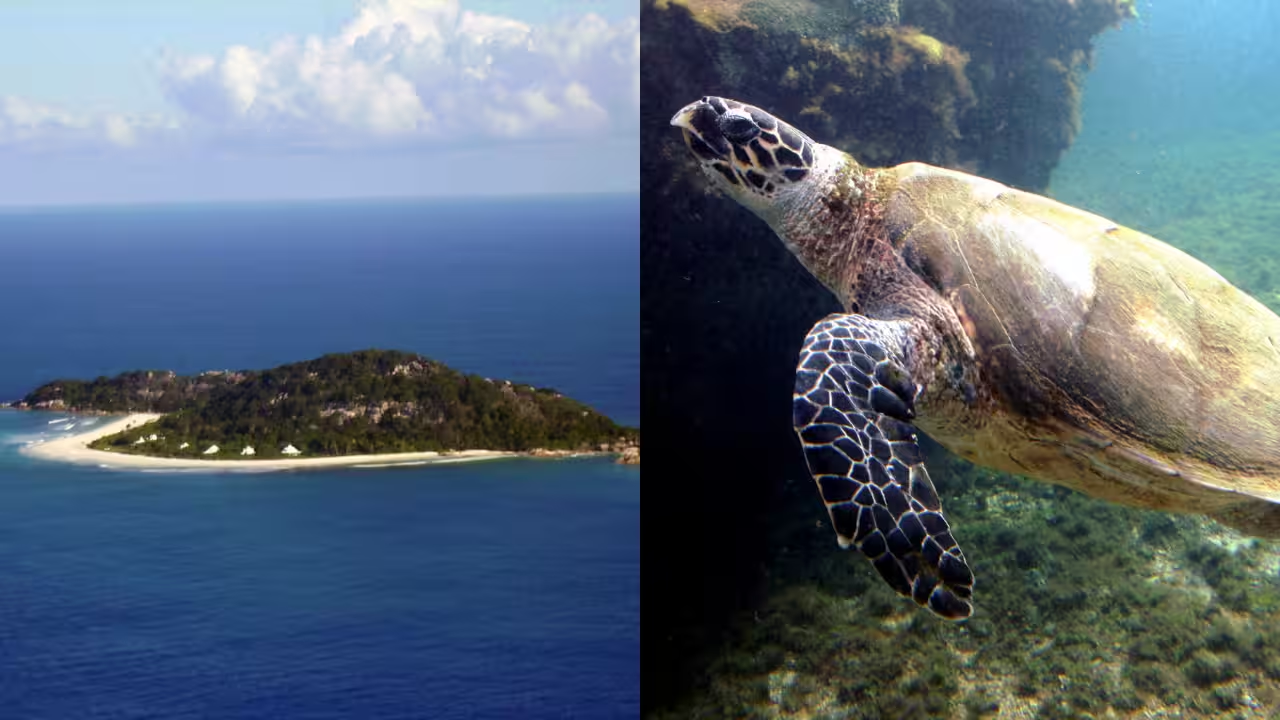
Cousine Island is a small granite island in the Seychelles, which was purchased by its current owner in 1991, after which conservation work began to protect its nesting hawksbill turtles. The island covers 25.7 hectares, or about 63.5 acres, and has since developed a long-running turtle monitoring programme. Researchers and conservation staff have recorded more than 900 individual hawksbill females there since monitoring began during the 1993-94 nesting season.The figures make Cousine different from its nearby namesake, Cousin Island, which became a nature reserve in 1968 and is managed by Nature Seychelles. Cousine remains privately owned and describes itself as a private conservation sanctuary. Its conservation programme has focused on restoring native vegetation, removing introduced species and protecting endangered wildlife.The island changed hands in 1991The island's current history records that the new owners started restoration work in 1992, removing farm animals and Casuarina trees before planting indigenous and endemic species. The island says about 8,000 indigenous and endemic trees have been planted since the restoration began.A scientific study published in Conservation Science and Practice describes Cousine as a globally important hawksbill rookery and records a long-standing monitoring and management programme dating from 1991. The island has one main nesting beach, about 900 metres long, along its eastern coast.The beach is exposed to the seasonal northwest monsoon, which affects the movement of sand along the shoreline. That creates a practical problem for turtle nests, which is, areas that appear suitable when eggs are laid can later be exposed to erosion or flooding.Monitoring began with individual turtlesConservation staff identify nesting females, record their tag numbers and collect information on their nesting activity. The programme also tracks exploratory crawls, including cases where a turtle comes ashore but does not lay eggs. The International Ocean-Indian Ocean South-East Asia Marine Turtle Memorandum of Understanding, known as IOSEA, reports that Cousine recorded more than 900 individual hawksbill females between the 1993-94 nesting season and the time of its report. It also says patrols have become more intensive, with hourly beach monitoring and data collection on females and turtle tracks. The long record allows conservationists to distinguish between newly tagged turtles and females that return to the island, which also provides information on how often individual turtles nest, where they lay their eggs, and how successful those nests are.The beach itself can threaten the nestsCousine's shoreline shifts during the year as sand moves along the coast, and IOSEA reports that conservation staff began monitoring spring high and low tide marks in 2003. They used the measurements to create a beach-movement map that helps determine whether individual nests are likely to remain safe or need to be relocated.Ghost crabs present another problem, since they can prey on eggs and hatchlings, particularly in areas where their populations are concentrated. A study of Cousine's nesting beach found that the island's roughly 900-metre beach supports about 70 to 130 hawksbill nests in a typical season and that erosion and crab predation can threaten nests. Conservation workers have therefore used both beach-movement data and information about crab densities when deciding whether nests should be moved.Thousands of hatchlings reach the seaDuring the 2019-20 season, IOSEA reported that 19,089 hawksbill eggs were recorded on Cousine and 14,865 hatchlings were successfully released into the sea. Relocating a nest can protect eggs from erosion or flooding, but moving eggs can itself affect hatching outcomes. Research on Cousine's management programme has examined the use of a hatchery alongside natural incubation, with relocation reserved for clutches considered at risk.Hawksbill turtles remain listed as critically endangered, and Seychelles is one of the world's important remaining nesting areas for the species. Cousine's long-term records have given conservationists a way to follow individual females and measure changes in nesting activity rather than relying on occasional sightings. The island remains privately owned, with conservation and tourism operating alongside one another. Its current conservation programme continues to monitor nesting females and hatchlings while managing the beach conditions that determine whether their nests survive.Catch the latest World News and Live updates. Download the TOI app.
Topics in this story
Gathered from external sources. Rights to this text belong to whoever originally published it.