The Top 5 Things Flight Attendants Wish Plane Passengers Knew Before Getting on Their Next Flight
They don’t make the rules.
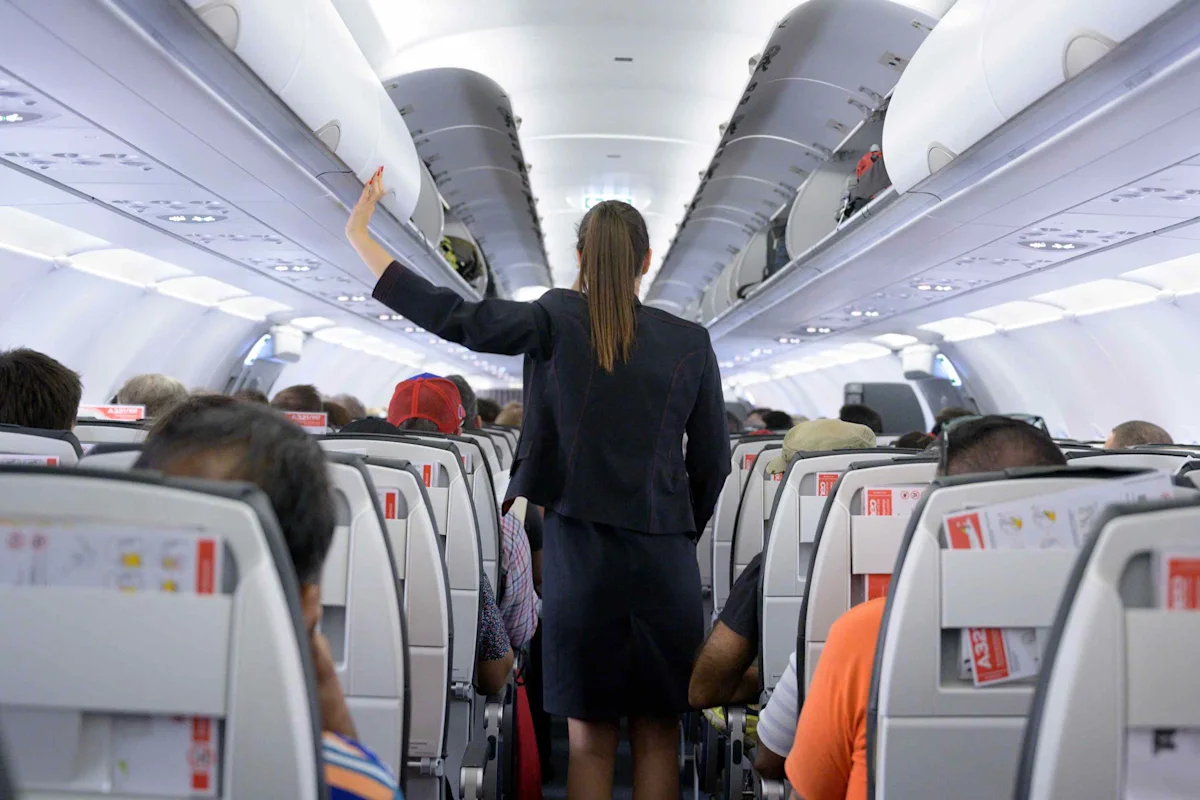
Flight attendants enforce airline policies and aviation regulations but rarely create the rules passengers find frustrating.
Crew members assess travelers during boarding to identify people who may be able to help during an emergency.
Most flight attendant training focuses on safety, while only a small portion covers onboard service.
When I fly , I bring a backpack for my laptop and a small suitcase. I'll sometimes tuck a fanny pack or handbag inside the backpack, since pulling it out before boarding would technically make it a third bag. Usually, I remember to keep it tucked away until I'm on the plane. Once, I didn't.
"You have three bags," a gate agent pointed out as I approached the plane. I knew the drill and stuffed my tiny crossbody into my backpack while the passengers behind me waited. One lady sighed and tapped her toes until I got situated. When I reached my seat, the flight attendant noticed that I looked a little flustered and asked if I was having a tough day. I told her about my three-bag offense. "I've always thought that rule was dumb," she said. "But I don't make the rules."
Flight attendants and other crew members enforce plenty of rules they didn't create, but that's just one of the many things passengers misunderstand about their jobs.
Travel + Leisure recently asked flight attendants what they wish more travelers knew about everything that happens before, during, and after a flight. Here's what they had to say.
Although some elements of air travel can be frustrating, most of what bugs us as passengers isn't within a flight attendant's control. Maria P., a 12-year Lufthansa veteran who goes by @realnomadgirl on Instagram , wishes passengers understood that flight attendants usually aren't the ones making the rules they enforce—like ensuring your seat is in the upright position at takeoff and landing.
"Some rules come from the airline while others are based on aviation regulations," she says. Depending on where they're operating, those regulations can come from authorities such as the Federal Aviation Administration in the U.S. or the European Union Aviation Safety Agency in Europe.
Sil, a flight attendant who has flown with the same U.S.-based airline for almost 19 years and shares travel tips on her Instagram channel, Winging It With Sil , says even rules that seem silly have a reason. "If there's a lightbulb out on a flight attendant call button, that can delay a flight. Maybe that bulb was out because of some bigger electrical problem," she explains.
She adds that the FAA is very strict—and for good reason. "The rules are written in blood. Every rule is in place because someone has been hurt."
Flight Attendants Do More Than Serve Drinks
If you pay attention to announcements from the cockpit, you're probably familiar with a line about the flight attendants being on board primarily for your safety. That's true. "We're not just waitresses in the sky," says Sil. "What the pilot says in the announcement isn't just a cliché or something that the pilot says; we truly are in-flight safety experts." She adds that only about a day and a half of her six-week training was dedicated to service. "Everything else is dedicated to how to take care of people in case of an emergency," she says.
Delays Usually Aren't Because the Crew Was Late
"Sometimes, passengers don't realize how far out of our control delays are," Sil says, explaining that most or mechanical issues. Additionally, she points out that passengers sometimes assume a delayed flight means the crew is late getting to the gate. But that's not necessarily the case. "The airlines are so strict about us showing up at the gate on time," she says. "If a flight is late because the flight attendant isn't at the gate, it's because they're on a flight coming in and that flight is late." She adds that airlines can pull a flight attendant from reserve when a crew member is delayed, but plenty of logistics are still involved.
When flight attendants greet you as you board, they're not just exchanging pleasantries. They're also watching for who can help in an emergency. "Flight attendants are trained to know who they're going to ask for help based on demeanor, conversation, or other factors that give us a clue that they're a steady person to call upon in case of emergency," says former flight attendant and travel expert Bobby Laurie .
Laurie says flight attendants notice how passengers respond when they're greeted, whether they make eye contact with the crew, and whether they appear engaged during the safety demonstration. "How quickly do they respond when you say hello? Do they ignore you? Are they wearing headphones during the safety video?" he says. "Those are all things flight attendants notice."
The Overhead Bin Above Your Seat Isn't the Only Bin You Can Use
Maria also wishes more passengers knew they can , regardless of where they're sitting. She says she'll sometimes see passengers holding their backpacks and looking disappointed when the space directly above their seat is full, even though other bins are still available. Of course, some premium-cabin sections have designated bin space, but in general, you can use any bin you'd like.
They Don't Always Know the Plane's Exact Location
Christa Treat , a Seattle-based flight attendant who has been flying for 18 years, regularly gets questions about the landscape outside the airplane window. But passengers sometimes forget that flight attendants aren't necessarily tracking the aircraft's location.
"I can't tell you how many people have pointed at the mountain range outside their window and asked me, 'What's the name of those mountains?'" she says. "I am usually not going to know where we are when we're in the air or the name of those mountains."
Read the original article on Travel & Leisure
Topics in this story
Gathered from external sources. Rights to this text belong to whoever originally published it.