Nearly 40 kilograms of cocaine held by Fiji court replaced with flour
Nearly 40 kilograms of cocaine stored as evidence for a major drug trial in Fiji were stolen from a courthouse, with most swapped out for flour, local media reported, in a case that highlights the South Pacific tourism hotspot’s struggle against an influx of narcotics.
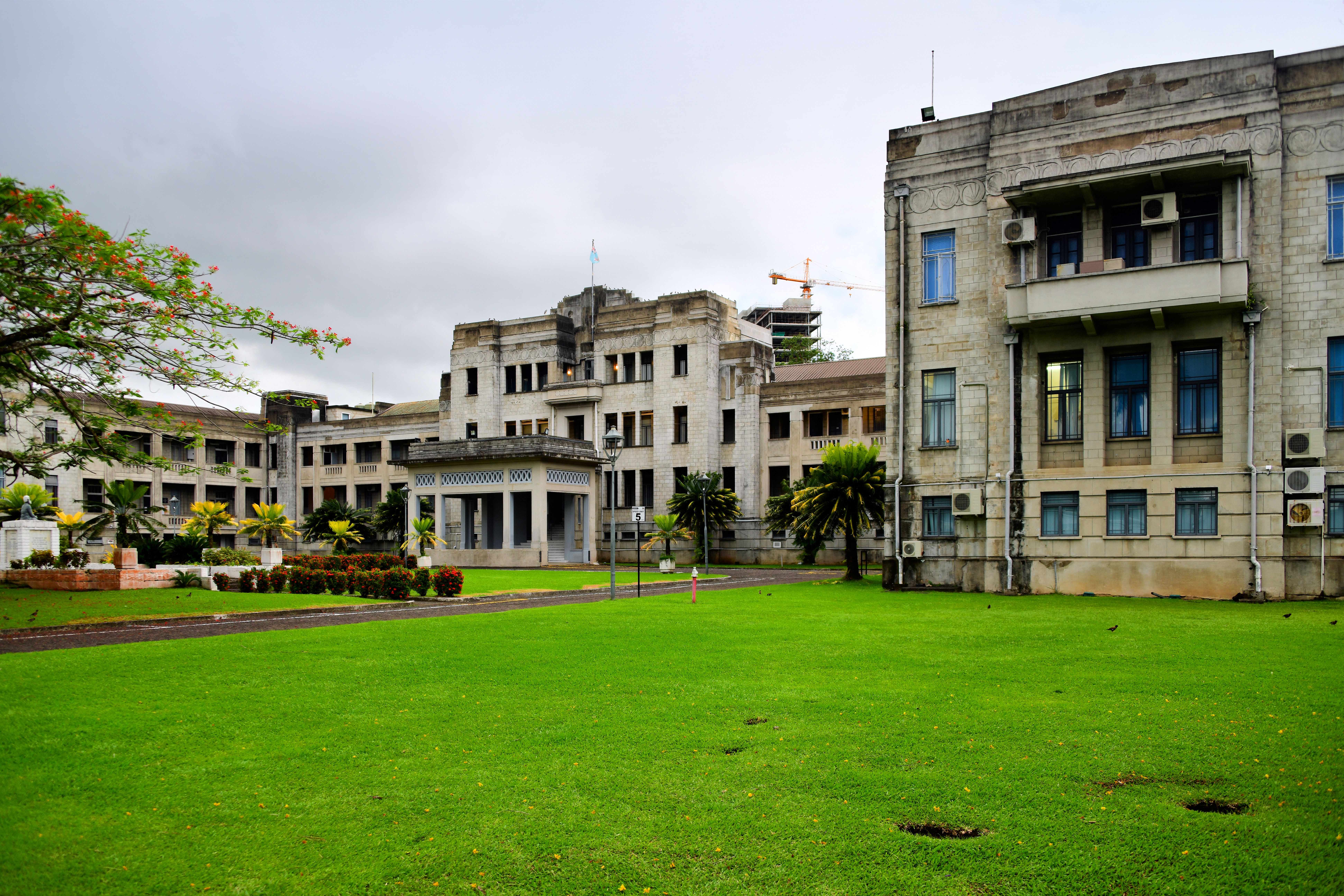
Nearly 40 kilograms (88 pounds) of cocaine stored as evidence for a major drug trial in Fiji were stolen from a courthouse, with most swapped out for flour, local media reported, in a case that highlights the South Pacific tourism hotspot’s struggle against an influx of narcotics. The cocaine, worth 30 million Fijian dollars ($13.3 million), had been seized in a 2019 case involving Fiji-Canadian national Joshua Rahman. He was convicted of unlawful possession, according to official records. The confiscated drugs remained stored at the Suva High Court while appeals were heard – but during an inspection on September 15, officials discovered that seven out of 39 cocaine bars were missing, police said. That kicked off an investigation that ultimately found that all of the remaining cocaine were dupes, and that none of the original seized cocaine remained. “Forensic tests conducted on the remaining drug exhibits have all returned negative,” police said in a statement on Tuesday. “The exhibits were all tampered with and the investigation is focused on those directly charged with the management of the exhibits at the High Court Registry.” Police Commissioner Rusiate Tudravu said Wednesday that the cocaine was placed in the High Court vault in March 2021, but it’s not clear when the theft happened. The exhibits were confirmed to have been cocaine in a previous test in 2019. Police identified six persons of interest who work in the judiciary department and would have had access to the vault, and one of those people was currently out of the country, Tudravu said during a news conference. Officers were now double checking all other exhibits in the court, including seized cash. The cocaine theft has raised serious questions about security in the country’s judicial system and prompted outrage from the public and lawmakers. “The replacement of the cocaine with flour, whatever it is, that is a sad indictment of … whoever is responsible,” said opposition politician Jone Usamate, speaking in Parliament. “How do you know now that what is in all those exhibits is really what is claimed to be in the exhibits?” Justice Minister Siromi Turaga expressed his “disappointment” and shock, adding that authorities were now working to upgrade security and review existing protocols at the High Court. An archipelago famed for its friendly culture, white-sand beaches and teeming coral reefs, Fiji has struggled for years to contain a drug boom. It has emerged as a crucial transit point for narcotics being trafficked from the Americas to lucrative markets in Australia, New Zealand, and parts of Asia. Massive stockpiles of methamphetamine smuggled onto the islands by cartels have spurred a widespread addiction crisis, seen as a key driver of an HIV epidemic that Fiji recently declared a national emergency. The disappearance of the cocaine “has come at a time when we are talking about transnational crime,” said Turaga, adding that “it goes to show the magnitude of the problem we are facing.” “No one is immune from this. No stone will be unturned. Anyone found guilty will be made accountable,” he said. This isn’t the first such incident, or even the only one this year; earlier in March, police discovered that another 12 kilograms of confiscated cocaine related to a separate criminal case had also gone missing. Local journalists at Wednesday’s news conference pressed the police commissioner on why security hadn’t been stepped up after the March discovery, and whether that could have prevented the second instance of stolen drugs. “All of us are concerned. The government is concerned. I’m concerned about this,” said Tudravu. “That is why we are trying our best to conduct the investigation as fast as we can.”
Topics in this story
Gathered from external sources. Rights to this text belong to whoever originally published it.