British couple met an abandoned girl in South Africa and turned a £10 fundraising challenge into a charity that has raised £29 million
A chance encounter with an abandoned child in South Africa changed the course of Phil and Wendy Wall's lives.
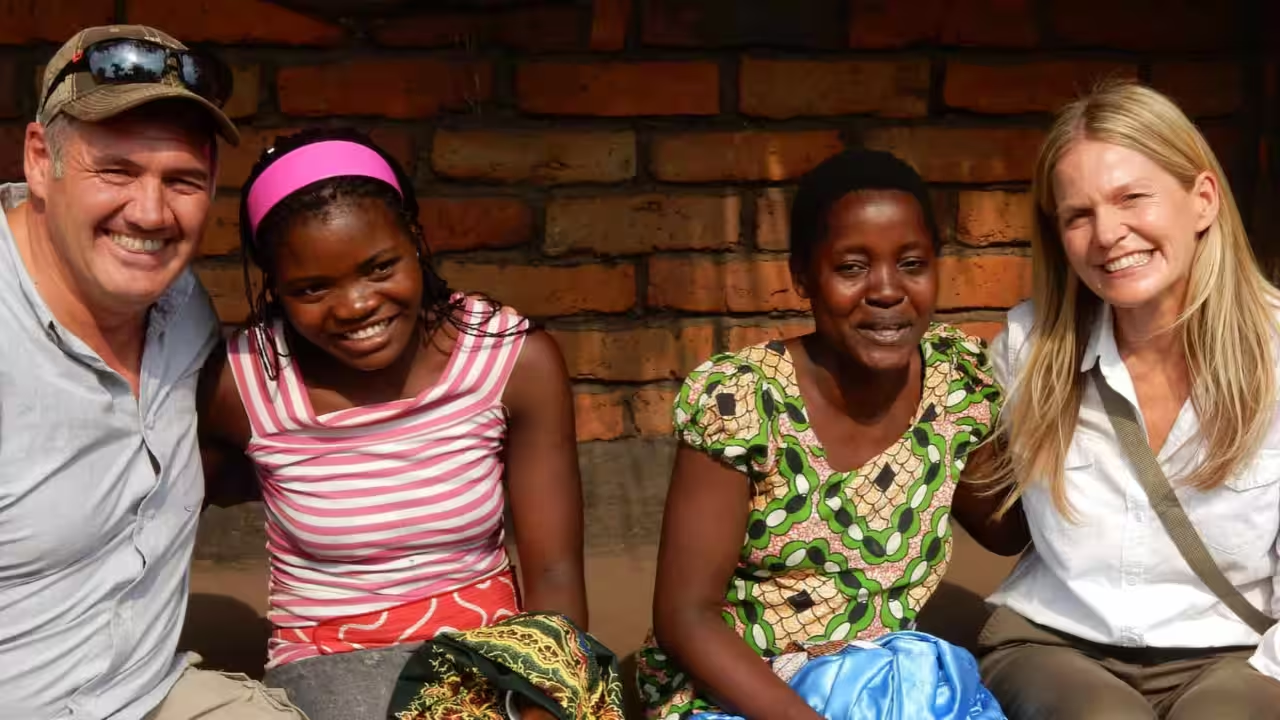
A chance encounter with an abandoned child in South Africa changed the course of Phil and Wendy Wall's lives. During a visit in 1997, the British couple met a young girl named Zodwa, whose mother had left her behind. They tried to adopt her but could not make it happen. Instead, they began looking for a way to help other children in similar circumstances. Their first idea was an unusual fundraising challenge: give supporters £10 and ask them to turn it into £100 using their own skills and connections. That small experiment raised more than £2 million and eventually grew into WeSeeHope, a charity that says it has raised £29 million for vulnerable children.Meeting an abandoned girl in South Africa inspired the couple to actPhil and Wendy Wall were visiting South Africa in 1997 when they encountered Zodwa, a young girl who had been abandoned by her mother. The experience stayed with them, particularly after their attempt to adopt her proved unsuccessful. They realised that helping one child would not address the wider difficulties facing children across the region. At the time, the HIV and AIDS crisis had left large numbers of children orphaned or vulnerable in Southern and Eastern Africa. The couple began considering how they could support more families and communities, rather than focusing on a single case. Their eventual response was to build a fundraising initiative that anyone could take part in.Supporters received £10 and were challenged to raise £100The Walls came up with the 10¹⁰ Challenge, an idea built around a simple request: give someone £10 and see if they can turn it into £100. Instead of asking participants to make another donation, they encouraged them to put their own abilities, interests and contacts to work. People could decide how to grow the initial amount, making the campaign as much about individual initiative as fundraising. Phil and Wendy also put their personal savings into getting the project started. The challenge eventually brought in more than £2 million, giving the couple the resources and momentum to establish a permanent organisation, according to WeSeeHope's account of its beginnings.The fundraising initiative became a charity supporting children across AfricaIn 2000, Phil and Wendy formally established the organisation under the name HOPEHIV. Its initial work focused on children affected by the HIV and AIDS crisis in Southern and Eastern Africa. As its programmes developed, the charity expanded its geographical reach and approach. Its project office moved from South Africa to Tanzania in 2008, reflecting its growing work in Eastern Africa. In 2014, it introduced the Village Investors Programme, which helped communities establish savings and loans groups. The organisation adopted its present name, WeSeeHope, in 2015. What began as a fundraising response to one encounter had developed into a broader effort to help children and families build more secure futures.WeSeeHope reports raising £29 million for vulnerable childrenWeSeeHope says it has raised £29 million since its establishment, supporting vulnerable children and communities across Sub-Saharan Africa. Its programmes cover areas including education, entrepreneurship and household financial security. The Village Investors Programme, for example, had established 749 savings and loans groups by 2018, reaching more than 17,000 members and 46,000 children. The work also brought recognition for the couple behind the organisation. Phil and Wendy Wall received MBEs in the 2022 New Year Honours List for services to vulnerable children in Southern and Eastern Africa. In 2025, WeSeeHope marked 25 years since its formal establishment.You use AI every day. Now get your AI Quotient. Take the AIQ test.
Topics in this story
Gathered from external sources. Rights to this text belong to whoever originally published it.