Karwa Chauth 2026: Date, puja muhurat, sargi, fasting rules and moonrise rituals — everything you need to know
Karwa Chauth isn’t just another festival; it’s practically woven into the fabric of Indian marital tradition, with millions of families marking the
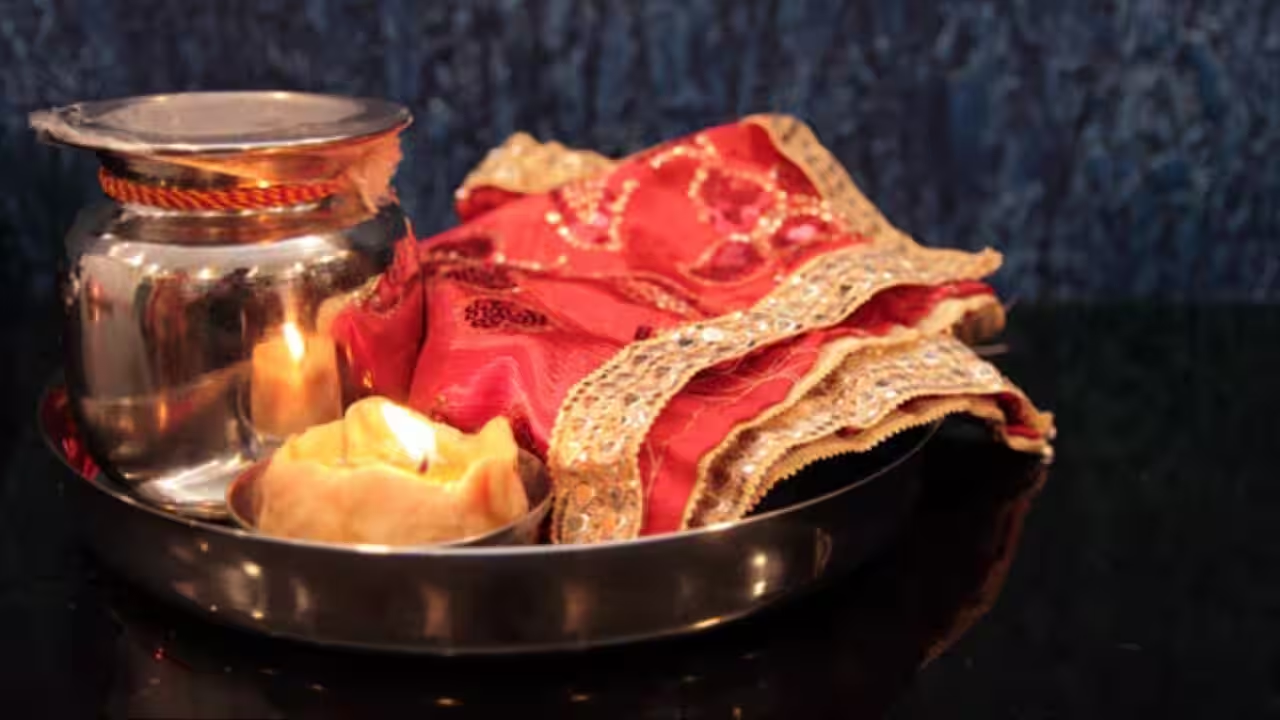
Karwa Chauth isn’t just another festival; it’s practically woven into the fabric of Indian marital tradition, with millions of families marking the occasion every year. In 2026, Karwa Chauth falls on Thursday, October 29. All over India, we’ll see homes decorated, women dressed in vibrant outfits, and elders passing on rituals that have survived generations. The day of Karwa Chauth isn’t just about fasting; it’s about love, dedication, and the hope for a long, happy married life. It’s the kind of festival where the smallest details matter, from the pre-dawn meal to that magical moment when the Moon finally peeks through the night sky.Karwa Chauth: What exactly is it?First of all, it falls on the fourth day (Chaturthi) of the Krishna Paksha, which is the waning phase of the Moon in the Hindu lunar calendar. Married women, mainly Hindu, observe a strict fast for their husbands’ well-being. The meaning behind it runs deep: devotion, companionship, and a prayer for longevity. But every household puts its own spin on the customs, with some sticking strictly to tradition and others tweaking things to fit more modern lifestyles.This year, there’s been a bit of confusion, as some calendars mention October 28, but if you check the lunar calculations, it falls on October 29. The difference is important because Karwa Chauth isn’t tied to a set date in the regular calendar. The festival’s timing depends on the right lunar phase lining up with the prescribed hours for fasting and those all-important Moon rituals. In other words, a mix-up can throw off the entire festival’s rhythm.Karwa Chauth 2026: Date, tithi, and puja muhuratFor 2026, Karwa Chauth is observed on October 29. According to the Panchang, Chaturthi tithi starts at 1:06 am and wraps up at 10:09 pm. In New Delhi, the most auspicious puja time runs from 5:38 pm to 6:56 pm, but you should check your local Panchang: timings for sunrise, sunset, and moonrise can change quite a bit from city to city. Preparing ahead makes the day go a lot smoother.Now, Karwa Chauth is usually dedicated to Goddess Parvati, worshipped as Karwa Mata or Chauth Mata, depending on your family tradition. Sometimes prayers include Lord Shiva, Lord Ganesha, and Lord Kartikeya as well. The rituals are all about blessings, hoping for a happy marriage, a prosperous family, and long, healthy lives.Sargi: The meal that starts Karwa ChauthBefore dawn, women have sargi. It’s not just a meal; it’s a tradition, especially in North India. Mothers-in-law typically prepare or gift sargi to their daughters-in-law, packing it with fruits, dry fruits, sweets, nuts, and sometimes home-cooked favorites. Milk-based dishes and regional goodies often show up, too. The food isn’t just for nutrition; it’s a symbol that connects women in the family, reminding everyone of the support behind the fast.Alongside sargi, there’s baya, which includes gifts from a woman’s parents, including sweets, clothes, cosmetics, and other treats. Once sargi is eaten, the fast begins. Most women observe a strict nirjala vrat: no food, no water. It’s tough, and not everyone follows it the same way. Some modify the fast depending on their health or family custom.Karwa Chauth rituals: Puja thali, mehendi, and the vrat kathaAs evening arrives, homes buzz with preparation. Women slip into festive outfits, often red, pink, or the brightest shade their wardrobe offers. Mehendi is a must, with each hand painted with intricate designs. The puja thali sits at the center of it all, holding a diya, roli or kumkum, rice grains, flowers, sweets, and of course, the karwa (an earthen pot).The evening brings prayers to Goddess Parvati and other deities, carried out according to family and regional customs. One universal element is the Karwa Chauth vrat katha, a story that lends meaning to the fast. The story of Veeravati is the most popular, where her brothers trick her into breaking her fast early, and her husband suffers the consequences. Through devotion, she wins him back. It’s a tale reminding everyone not to cut corners, and while most know this version, each community might tell it a little differently.Many women join together for the puja, trading thalis, singing traditional songs, and sharing the katha. The gathering isn’t just about rituals; it’s a social ceremony, affirming community bonds and celebrating shared heritage.Moonrise: The end of the fast and the start of celebrationThe Moonrise is the highlight of Karwa Chauth. As soon as it’s visible, women view the Moon through a sieve, offer water as arghya, and pray for their husband’s well-being. Then, they look at their husbands through the sieve, who often hand them water or a sweet to break the fast. Every home has its own sequence, but the Moon ceremony is always the heart of the festival.The karwa, which is the little pot, plays a special role in the offering. Moonrise times differ by city, so make sure that you check for your own city timings.Breaking the fast comes after the Moon has been sighted and worshipped. There’s a sense of accomplishment, relief, and celebration, as families gather, share sweets, and enjoy a meal together.Things to keep in mindGetting ready for Karwa Chauth means planning the puja, checking local timings, and sticking to your family’s traditions. No two families do everything exactly the same. Importantly, fasting without water is demanding. So, if you’re pregnant, nursing, diabetic, or on medication, it’s best to check with a doctor first. Health always comes before ritual.Moreover, Karwa Chauth has changed over time. It used to be just women fasting for their husbands. Now, some couples fast together, flipping the tradition and making it more about mutual love and support. It’s a sign that families adapt rituals to fit their own beliefs and relationships.At its core, Karwa Chauth is about faith, tradition, and the thrill of spotting the Moon after a challenging day. From the early-morning sargi to the late-night prayers, it’s a celebration of love, family, and enduring customs that still mean everything to so many across India.Get the latest movie news, reviews, and celebrity updates. Download the TOI App.
Topics in this story
Gathered from external sources. Rights to this text belong to whoever originally published it.