A Los Angeles theatre opened in 1932, then spent 15 years being rebuilt; its nearly $40 million restoration has finally brought the 729-seat landmark back
US News: In 1932 a brand new theater opened in South Los Angeles showing movies and live shows to a growing neighborhood. Decades later, after years of decline.
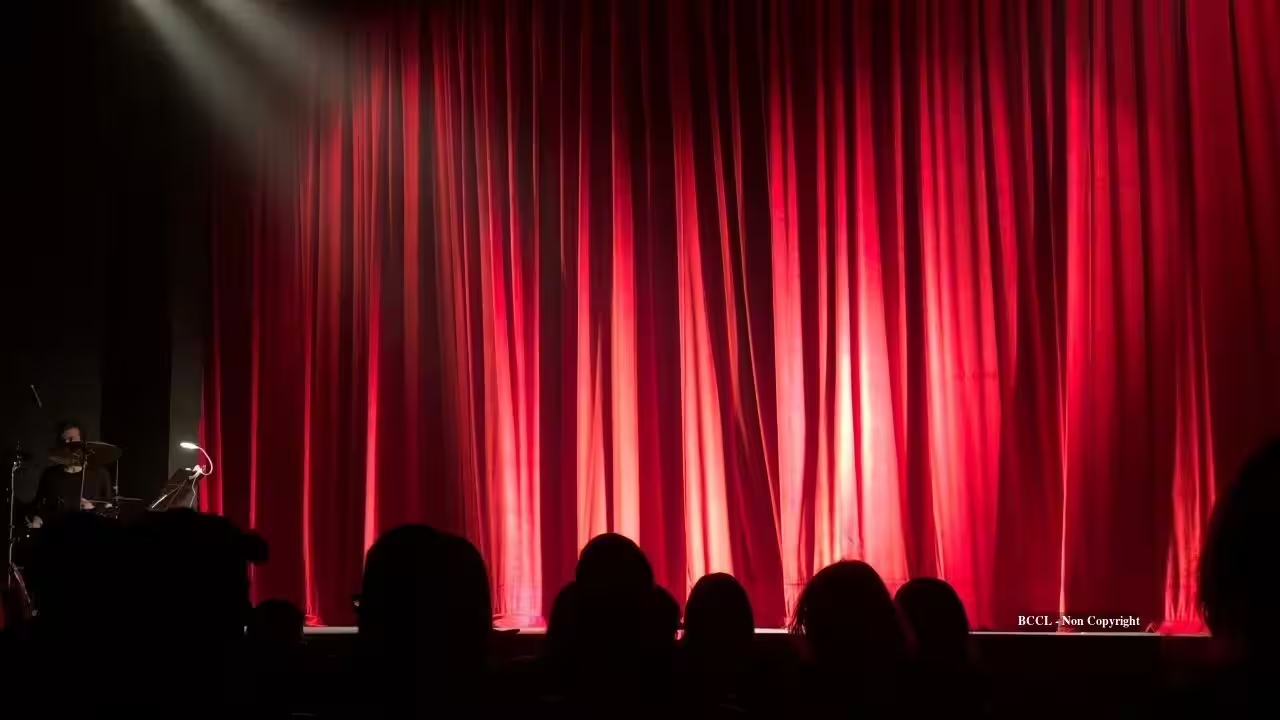
In 1932 a brand new theater opened in South Los Angeles showing movies and live shows to a growing neighborhood. Decades later, after years of decline and closure, that same building sat dark and deteriorating, its ornate interior hidden behind boards and dust. In 2011, the city of Los Angeles committed to saving it, launching a restoration that would stretch over 15 years and cost nearly $40 million. Now, in 2026, the 729-seat Vision Theatre is finally reopening as a fully restored performing-arts centre, ready to host concerts, films, community events and local artists once again. This story draws on updates from the Los Angeles Department of Cultural Affairs and reporting from the Los Angeles Times on the theatre’s long journey back to life. Read on to know more:A landmark born in the Depression eraThe Vision Theatre, originally known as the Leimert Park Theatre, opened in 1932 in the heart of the Leimert Park village, a planned community in South Los Angeles. Designed in the Spanish Colonial Revival style, it featured a striking façade, decorative tilework, wrought-iron details and a grand auditorium with a high ceiling and classic proscenium stage.For decades, the theatre served as a cultural hub for the neighbourhood, screening first-run films and hosting community gatherings.But it, like many single-screen venues across the U.S., faced increasing pressure from multiplexes, changing demographics and evolving entertainment habits in the latter half of the 20th century.By the 1990s, the building had closed, and over time it fell into serious disrepair.Years of uncertainty and a plan to save itBy the 2000s, the Vision Theatre was widely recognised as a historic landmark, but its future was far from secure. The structure suffered from water damage, outdated systems and years of neglect. Demolition was sometimes discussed, while other proposals called for partial reuse that would have altered the building’s character.In 2011, the City of Los Angeles made a decisive move: it committed to restoring the theatre as a cornerstone of the Leimert Park Cultural and Arts District.The Vision Theatre was designated as a key asset in the city’s broader strategy to support South L.A. arts organisations, expand cultural programming and revitalise the Leimert Park village.What followed was a complex, multi-phase project that would take far longer and cost far more than anyone initially expected.15 years of restoration The Vision Theatre’s restoration spanned about 15 years, dictated by funding cycles, construction challenges and the need to balance historic preservation with modern performance standards.The total price tag approached $40 million, funded through a combination of city capital, state grants, private donations and philanthropic support.Key elements of the work included: Structural repairs to address seismic vulnerabilities and long-term water damage; restoration of historic features such as decorative plasterwork, tile, ironwork and the original marquee; upgrades to mechanical, electrical and plumbing systems to meet current codes and improve energy efficiency; installation of modern stage lighting, sound and rigging to support professional productions; and accessibility improvements, including new restrooms, seating arrangements and entry upgrades.Throughout the process, the city and its partners emphasised that the goal was not to create a museum piece, but a working theatre that could serve artists and audiences for decades to come.A 729-seat home for South L.A. artsWhen it reopens in 2026, the Vision Theatre will offer 729 seats across a restored auditorium with improved sightlines, acoustics and comfort. The space is designed to host a wide range of events including live music, from jazz and R&B to hip-hop and classical; theatre productions, dance performances and film screenings; and community meetings, lectures and cultural festivals.The theatre will be managed as part of the city’s Cultural Affairs Department portfolio, with programming developed in close collaboration with local arts organisations, Leimert Park merchants and community stakeholders. The intent is to make the Vision a true neighbourhood asset, not just a destination for occasional events.Why this matters for Leimert Park and South L.A.Leimert Park has long been a cultural centre for Black Los Angeles, home to bookstores, galleries, jazz clubs and a tight-knit community of artists and activists.The neighborhood has been under pressure over the years from disinvestment, gentrification and loss of important cultural spaces.For many residents, the Vision Theatre’s restoration is more than a building project; it’s a statement about the value of South L.A. culture and the city’s commitment to preserving it. By investing nearly $40 million and 15 years of work, Los Angeles is signalling that historic theatres in predominantly Black and Latino communities deserve the same level of care and attention as those in more affluent areas.The theatre is also expected to bring economic benefits to the village, drawing visitors for shows and events who will support nearby restaurants, shops and galleries.Challenges along the wayThe road to reopening was not smooth. The project faced delays due to funding gaps and changing city budgets; construction complications as crews uncovered additional damage once walls and ceilings were opened; and the need to constantly balance historic preservation requirements with modern safety and accessibility standards.Neighbors and arts advocates were sometimes frustrated with the pace, worried the theater might never reopen in their lifetimes.But city officials and project managers maintained that cutting corners would undermine the long-term viability of the building.What comes nextWith construction essentially complete, the focus now shifts to programming and operations. The city and its partners are working to:Book a mix of local, regional and national acts that reflect the diversity of South L.A.Develop educational and youth programmes that use the theatre as a teaching space.Ticket prices and dates should ensure that the venue remains accessible to residents living in the immediate area. As with all historic venues, the building will also require ongoing maintenance and periodic upgrading to keep it in great condition.A second act for a historic stageWhen the Vision Theater opened in 1932, it was a symbol of modern entertainment and community pride. After decades of decline and 15 years of reconstruction, its 2026 reopening marks a second act, one that blends respect for the past with a clear eye toward the future.For a neighbourhood that has seen too many cultural spaces close, the Vision’s return offers something rare: a large, professionally equipped venue that belongs to the community and is dedicated to the arts. As the lights come up and the curtain rises again, the 729-seat landmark is ready to write a new chapter in South Los Angeles’ cultural story.Catch the latest World News and Live updates. Download the TOI app.
Topics in this story
Gathered from external sources. Rights to this text belong to whoever originally published it.