In 1981, residents began raising funds to save an 1899 Utah schoolhouse bought for just $1, launching a 40-year effort that led to a nearly $2 million restoration and a new life as a community centre
In Spring City, Utah, an old brick schoolhouse has taken on a new purpose after decades of efforts to keep it standing.
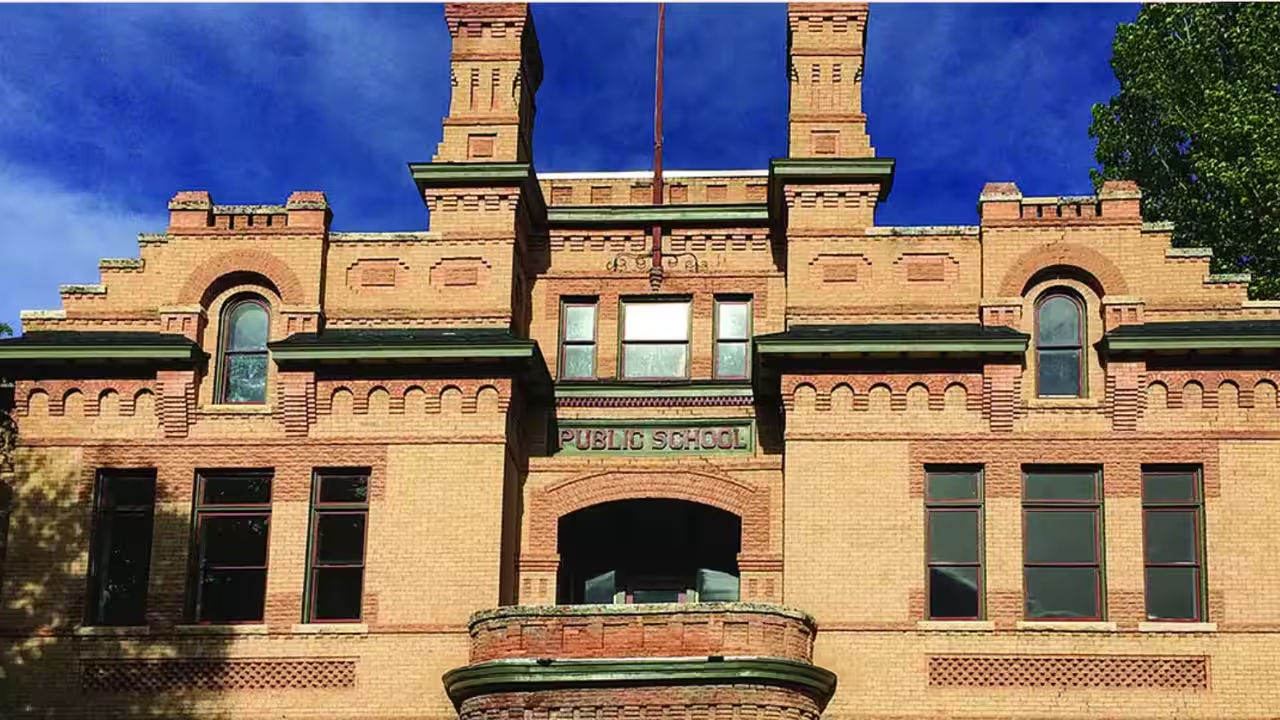
In Spring City, Utah, an old brick schoolhouse has taken on a new purpose after decades of efforts to keep it standing. Built in 1899, the Romanesque-style building once accommodated eight classrooms before closing its doors to pupils in 1957. It later faced the possibility of demolition, but local preservationists stepped in to secure the property. What followed was a lengthy campaign involving fundraising, public support and a substantial financial commitment from the town. National Trust for Historic Preservation reported, after restoration work costing nearly $2 million, the former school reopened in May as a community centre, giving the historic building a place in the town's present-day life.How a $1 purchase saved the historic Spring City schoolhouse from demolitionThe schoolhouse was built at a time when Spring City was developing its public institutions around the needs of a growing community. Its brick exterior and Romanesque architectural features gave it a distinctive appearance, while its eight classrooms provided space for local education. That role came to an end in 1957, when the school closed.The building did not immediately find another permanent use. It was subsequently used for storage, leaving its future uncertain. The Daughters of Utah Pioneers eventually purchased the property for just $1, with the intention of preventing its demolition. The symbolic purchase kept the structure from being lost, although securing the building was only the first step in a much longer preservation effort.Four decades of fundraising helped keep the restoration aliveEfforts to raise money for the schoolhouse began in 1981, when an annual fundraising event was established. The campaign continued over the years, reflecting the difficulties of financing a major restoration in a small community. Spring City has around 1,000 residents, making a project of this scale a considerable undertaking.The town became directly involved in securing the money needed to move the work forward in 2011. It obtained a loan and a grant to support the restoration, providing a more substantial financial foundation for the project. The process still required time, planning and coordination, as the building needed extensive attention before it could safely serve a public purpose again.Nearly $2 million spent restoring Spring City's historic schoolhouseThe restoration involved far more than cleaning up the old classrooms or repairing the exterior brickwork. Much of the interior required attention, including the original woodwork, wainscoting and staircase. Some features had to be restored, while others needed rebuilding to bring the structure back into usable condition.Modern building systems also had to be installed. The work included new drywall, heating, mechanical equipment and electrical infrastructure. These repairs were necessary to make the former school suitable for regular use, while preserving the character that made it worth saving in the first place.As reported by the National Trust for Historic Preservation, the project cost almost $2 million. For a town of Spring City's size, finding the resources to complete such extensive work required a sustained effort involving different groups and individuals over several decades.Former schoolhouse reopens as Spring City's community centreThe restored building reopened in May as a community centre, marking a change from its original educational purpose. Its new use allows residents to continue gathering in a property that has been part of the town's history since the end of the 19th century.The renovation retained the building's pioneer-era appearance, despite the amount of structural and technical work carried out inside. Its historic details remain part of the finished space, linking the new community facility with the people who originally built it.For Alison Anderson, president of Friends of Historic Spring City, the project also demonstrated what a small town can achieve through years of cooperation. She pointed to the importance of people working towards the same outcome without making recognition or personal credit the focus of their involvement.Preservation effort leaves a lasting connection to Spring City's pastAnderson said the restoration had given her a deeper appreciation of the craftsmanship involved in constructing the town's early buildings. The quality of the original work became particularly apparent during the process of repairing the woodwork, staircase and other historic features.The schoolhouse's survival was not the result of a single decision or fundraising campaign. Its story stretches from the Daughters of Utah Pioneers' $1 purchase to the town's financial involvement in 2011 and the years of restoration that followed. Each stage helped keep the building available for another generation.Its reopening as a community centre gives Spring City a practical use for a property that might otherwise have disappeared. After more than 40 years of preservation efforts, the former schoolhouse has returned to public life, no longer as a place for lessons, but as a shared space for the town.You use AI every day. Now get your AI Quotient. Take the AIQ test.
Topics in this story
Gathered from external sources. Rights to this text belong to whoever originally published it.