Wildlife enthusiast spots the critically endangered Burmese big-headed turtle in northern Thailand: The rare encounter amazes viewers and raises concerns about hunting, the pet trade and wildlife protection
A turtle with a disproportionately large head, powerful claws and a prehistoric appearance has caught the attention of wildlife lovers after an
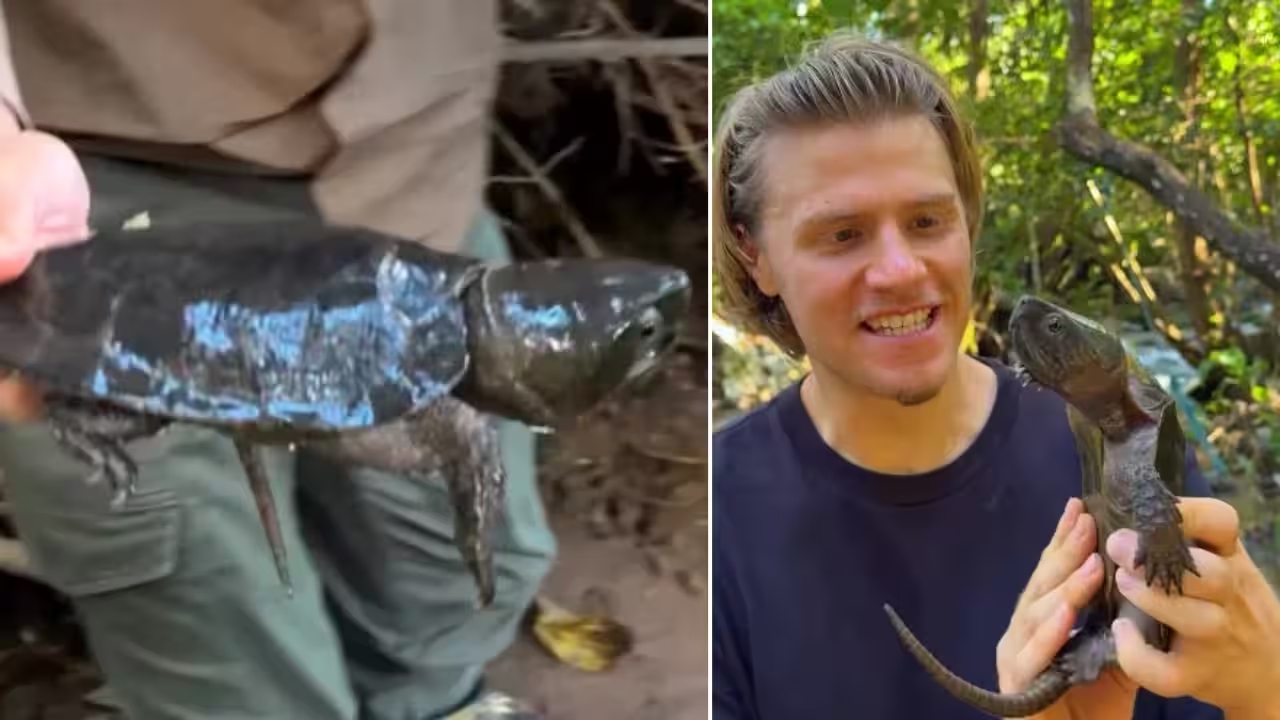
A turtle with a disproportionately large head, powerful claws and a prehistoric appearance has caught the attention of wildlife lovers after an unexpectedly rare encounter in northern Thailand. During an expedition with @exploreherpetology, a wildlife enthusiast spotted the Burmese big-headed turtle (Platysternon peguense), describing the sighting as a dream come true. The excitement was unmistakable, but the encounter also drew attention to the threats facing this reptile.A rare encounter that almost seemed impossibleThe video captures the enthusiast's disbelief at finding the turtle. “No way is it there?” the person exclaims before celebrating the discovery.According to the account shared alongside the footage, the group had heard that the turtle was spotted earlier, but it had already been released. The chance of seeing it again seemed slim. Finding it still there turned an uncertain moment into an extraordinary wildlife encounter.The enthusiast called it one of their “literal dream animals”, revealing how meaningful the sighting was to someone who had hoped to see the species for years.What makes the Burmese big-headed turtle so unusual?Its appearance makes the turtle difficult to mistake for an ordinary pond turtle. Its large head, long tail and strong claws give it a distinctive, almost prehistoric look.The species belongs to the family Platysternidae and is known for its unusually large head, which it cannot fully withdraw into its shell. Its physical features make it especially fascinating to reptile enthusiasts and wildlife researchers.However, its unusual appearance is only one part of its story. The turtle's survival in its natural habitat matters far more than its popularity in photographs.Hunting and the pet trade threaten its survivalThe enthusiast described the Burmese big-headed turtle as critically endangered and highlighted hunting for the pet trade as a major threat. The video also mentions that turtles are eaten in some mountain communities.Demand for wild animals as pets can place pressure on already vulnerable populations. Removing animals from the wild can reduce the number available to reproduce, particularly when the species is naturally difficult to find.The exact contribution of each threat needs careful assessment, but the broader concern is clear: rare wildlife cannot withstand unlimited collection and hunting.ID@undefined Caption not available.ID@undefined Caption not available.ID@undefined Caption not available.ID@undefined Caption not available.Social media celebrates the sighting, but raises questionsComments beneath the video ranged from admiration to surprise. Some viewers compared the turtle to a Pokémon or a creature from prehistoric times, while others called it a dream species to encounter in the wild.Not everyone was comfortable with the footage. Several commenters questioned why the animal had been handled, while others urged the group not to reveal its exact location.These concerns highlight an important distinction. Wildlife videos can introduce unfamiliar species to large audiences, but sharing sensitive location details may also make vulnerable animals easier to find and collect. Keeping locations private can be a practical conservation measure.Why a rare sighting should mean more than a viral momentThe encounter is a reminder that some of the world's most remarkable animals remain difficult to see in their natural surroundings. Their rarity should inspire curiosity, but also restraint.Responsible wildlife watching means keeping disturbance to a minimum, avoiding unnecessary handling and leaving animals where they belong. Even well-intentioned encounters can cause stress or expose wildlife to risks.The Burmese big-headed turtle may have captured attention because of its unusual face and prehistoric appearance. Its greatest value, however, lies in surviving in the wild. Protecting that future matters more than getting the perfect photograph.Disclaimer: This article is based on the supplied video, caption and public comments. The circumstances of the encounter and the conservation claims have not been independently verified.Get the latest movie news, reviews, and celebrity updates. Download the TOI App.
Topics in this story
Gathered from external sources. Rights to this text belong to whoever originally published it.