After 3 years, Melbourne removed 20,000 love locks from Evan Walker Bridge in 2015; wires were sagging and up to 40,000 keys polluted the Yarra River
US News: Discover how Melbourne's iconic Evan Walker Bridge was impacted by thousands of love locks, leading to their removal and transformation into art. Learn about the romantic trend that became a safety concern, and how the city repurposed the locks into meaningful artworks, preserving the memories of couples while maintaining the bridge's integrity.
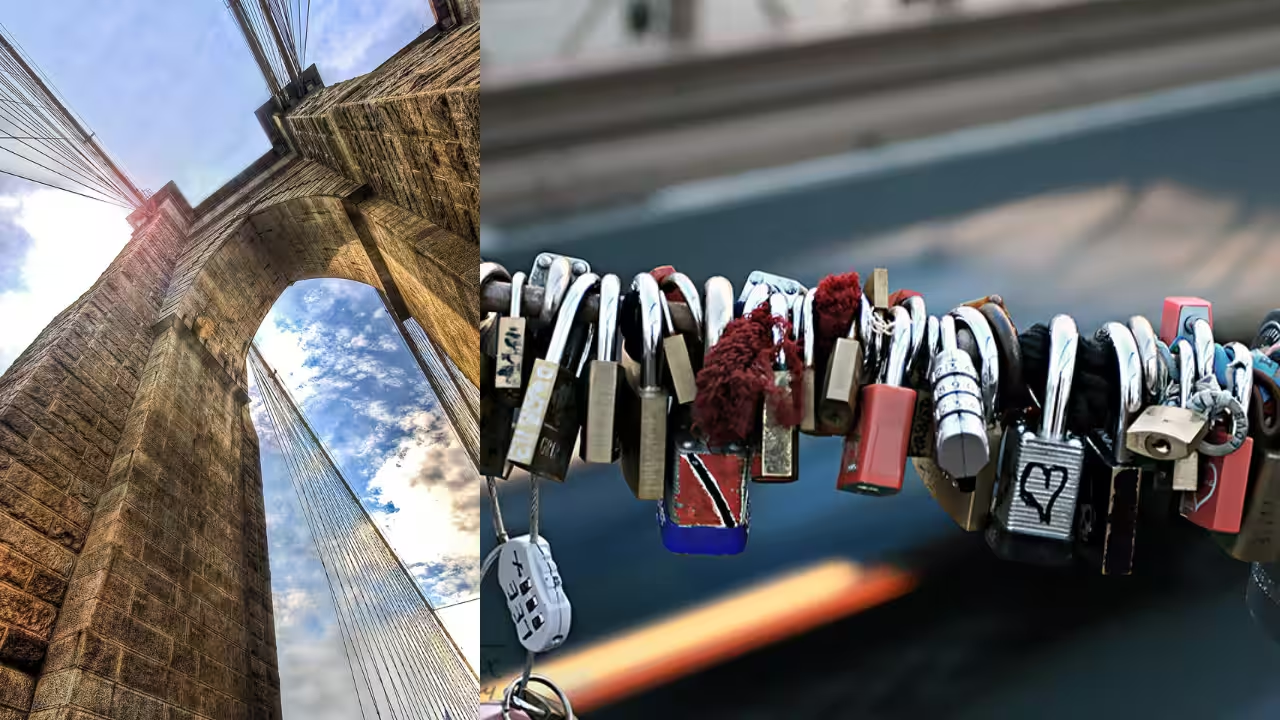
Couples had been attaching padlocks to the railings of Melbourne's Southgate footbridge for about three years when the city decided the collection had become too heavy. By May 2015, about 20,000 locks covered the bridge's cable railings, and Melbourne City Council said the weight was causing the wires to sag and announced that the locks would be removed.At the time, the bridge was still commonly known as the Southgate footbridge, and was officially renamed the Evan Walker Bridge in July 2015. Couples would write their names or initials on a padlock, attach it to the railing and throw the key into the Yarra River. In Melbourne, the practice had grown quickly enough to create a physical problem for the bridge.The wires began to sagLord Mayor Robert Doyle said the supporting wires were beginning to sag under the accumulated weight. Some locks were being placed across two wires because of the sag, which further complicated the structure. The council estimated that as many as 40,000 keys had been thrown into the Yarra River.The city planned to remove the locks by detaching the support wires and sliding the padlocks off rather than cutting every individual lock from the railing. Officials did not argue that the locks themselves were inherently dangerous; the problem was the accumulated load on infrastructure that had not been designed to carry thousands of additional metal objects. The bridge had become part of a global trend that had also affected bridges in Paris, Cologne and other cities.Twenty thousand locks came downWorkers began removing the locks in May 2015, and the cleanup produced an unusual collection of personal objects. Each lock represented a couple or another personal connection, and many had names or dates engraved into the metal. The council initially asked residents to suggest what should happen to the locks once they had been removed.Some of the discussion centered on recycling or displaying them rather than simply throwing them away, and the eventual solution gave many of them a second life. The City of Melbourne later worked with Craft Victoria on the Love Locks Project, which gave artists the removed padlocks as raw material for new works.The bridge was renamedIn July 2015, the Southgate pedestrian bridge was officially renamed the Evan Walker Bridge in honor of the former Victorian planning minister who was associated with the development of Melbourne's Southbank precinct. The cables still needed to be maintained, and the council continued removing new locks after the large-scale cleanup. A later City of Melbourne collection record describes the removal of almost 20,000 locks as necessary because of safety concerns and damage to the bridge, which had not been designed to carry the additional weight.The locks became artworkArtists were invited to transform the locks into new pieces instead of treating the collection simply as scrap metal, and the resulting works included a large brass sculpture and other objects made from the locks. The transformation also separated the romantic ritual from the bridge itself, since couples could still commemorate their relationships, but the physical act of attaching another lock to the bridge was no longer treated as harmless decoration.Small numbers kept returningPeople continued attaching new padlocks to the bridge, and city workers periodically removed them to protect the structure. By 2018, ABC News reported that new locks were still appearing but were being removed by city officers, and the council said that the continuing removals were intended to preserve the bridge's structural integrity.The original collection became part of the bridge's maintenance history, while the locks that had already been removed were repurposed into artworks. The bridge kept its new name, the Yarra kept the keys that had already been thrown into it, and the 20,000-padlock collection moved from the railing into Melbourne's art and heritage record.Catch the latest World News and Live updates. Download the TOI app.
Topics in this story
Gathered from external sources. Rights to this text belong to whoever originally published it.