‘We want justice, not a parade’: Caribbean seeks reparations for 'role in slave trade'
As King Charles III and Queen Camilla prepare for a nine-day tour of the Caribbean, calls are growing across the region for Britain to apologise for its
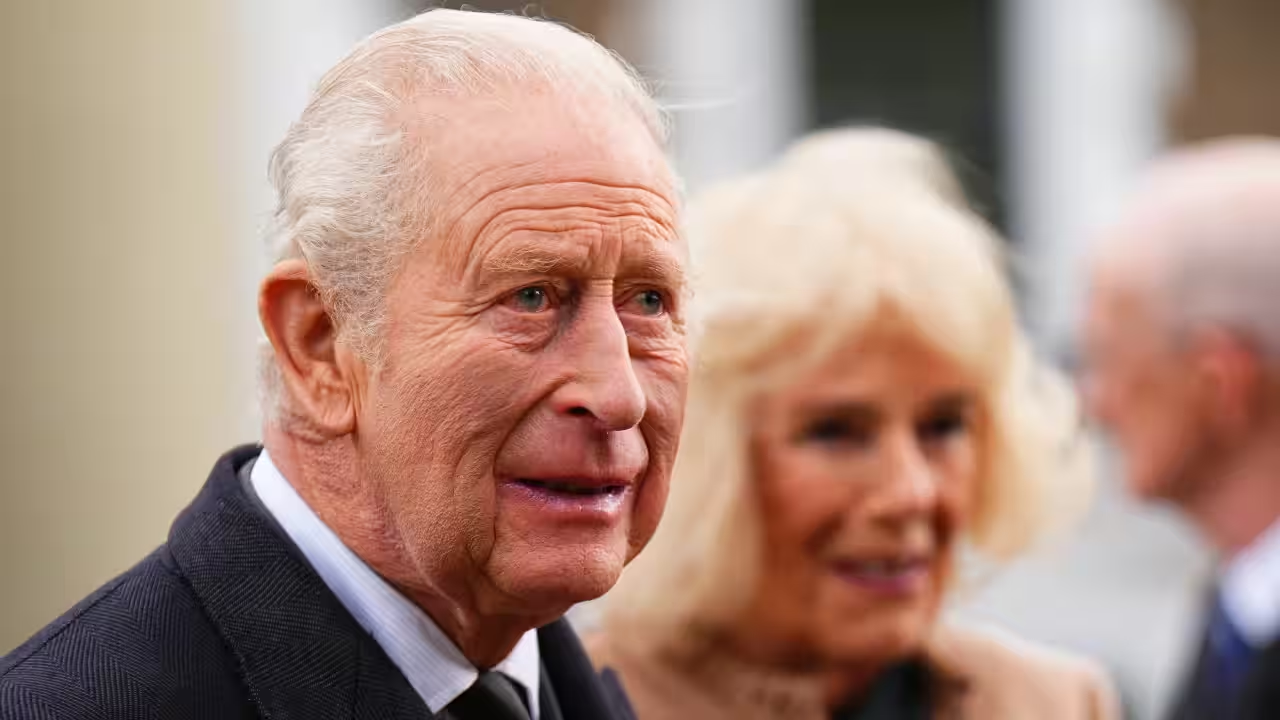
As King Charles III and Queen Camilla prepare for a nine-day tour of the Caribbean, calls are growing across the region for Britain to apologise for its role in the transatlantic slave trade, pay reparations and loosen its remaining colonial ties.The royal visit, which begins in the Bahamas on Tuesday, comes amid renewed debate over the monarchy's place in the region and demands from activists and political leaders for Britain to address the legacy of slavery.The Bahamas National Reparations Committee has criticised the practice of organising schoolchildren to welcome the royals, saying they would be made to “stand in the sun and wave for the Crown that has taken everything from their ancestors and comes back smiling”.Niambi Hall Campbell-Dean, chair of the committee and a psychology professor at the University of the Bahamas, said the visit should prompt people to question the country's continued relationship with the monarchy.“Why do we still have a king? What does this person really represent to us? Why is he coming and how will that benefit us?” she said, as quoted by Associated Press.Charles last visited the Bahamas in July 1973, when he was a prince and the archipelago was preparing to end nearly 300 years of British rule and become independent. The Bahamas remains a Commonwealth realm, however, with Charles as its head of state, alongside six other Caribbean nations.During his three-day stay, Charles is expected to visit Clifford Park, where the Bahamas' black, turquoise and yellow national flag was first raised more than 50 years ago.Reparations demands follow royals across the regionThe Bahamas is the first stop on the tour, which will also take Charles to Guyana and Antigua and Barbuda. The trip will bring the king into a region where governments and campaigners have increasingly challenged Britain's handling of its colonial past.Jamaica took its reparations case to Charles in early September, and the matter has since been referred to the United Kingdom's highest court of appeal for the Caribbean island. The legal move was unprecedented, although the British government has repeatedly rejected calls for reparations or a formal apology for slavery.Jamaica, which has pushed in recent years to remove Charles as head of state and become a republic like Barbados did in 2021, is not on the royal itinerary. For some Jamaicans, the absence reflects a growing rejection of the monarchy. Rastafarian Steven Bennett, 51, said a royal visit would be inappropriate while the legacy of slavery remains unaddressed. “We don't need any royal wave or photo-taking while the wounds of our ancestors are still being ignored. He still refuses to formally apologise for chattel slavery,” Bennett said. “Until the British monarchy is ready to stand on Jamaican soil, look us in the eye, apologise, and talk about actual repair and restitution, he has no business here. We want justice, not a parade.”Jamaica has in recent years pushed to remove Charles as head of state and become a republic, following Barbados, which made the transition in 2021.Guyana, the next stop after the Bahamas, was the site of the 1823 Demerara rebellion, one of the largest slave uprisings in the region. Thousands of enslaved people rose up on plantations, including one owned by the father of former British prime minister William Gladstone. More than 200 enslaved people were killed in the aftermath, with some beheaded and their heads displayed on poles.In a recent interview with ITV News, Guyanese President Irfaan Ali said Charles had “rightfully recognised slavery as the darkest days in human history”.“Moving to the apology is the next step,” Ali said, adding that Britain had exploited the region, destroyed lives and contributed to underdevelopment.Charles is expected to meet Ali and elected leaders of Indigenous Amerindian villages, known as toshaos, during the Guyana leg of the visit. But not all community leaders have been included.Nikita Miller, toshao of Chinese Landing, a rural Indigenous community in northern Guyana, said she had not been invited. She wanted an opportunity to raise concerns about a longstanding dispute over community land with miners seeking to extract gold, an issue she said affects other Indigenous villages as well.“We have been suffering,” Miller said. “We want the government to respect Indigenous rights... We have long-standing issues with our land.”She said the royal visit might benefit Guyana as a whole but was unlikely to bring change to Amerindian communities.Jamaica's republican ambitions reflect changing attitudesAfter Guyana, Charles is scheduled to travel to Antigua and Barbuda for the Commonwealth Heads of Government Meeting, where he will meet leaders from the organisation's 56 member states. Climate change, trade and development are expected to feature in discussions, though some Caribbean leaders want reparations for slavery to receive greater attention.You use AI every day. Now get your AI Quotient. Take the AIQ test.
Topics in this story
Gathered from external sources. Rights to this text belong to whoever originally published it.