Nigerian researcher Oghenekevwe William Emadago won $100,000 for making sanitary pads from agricultural waste; his company has already reached 70,000 women and girls
After harvesting bananas, farmers are often left with stems that have little commercial use.
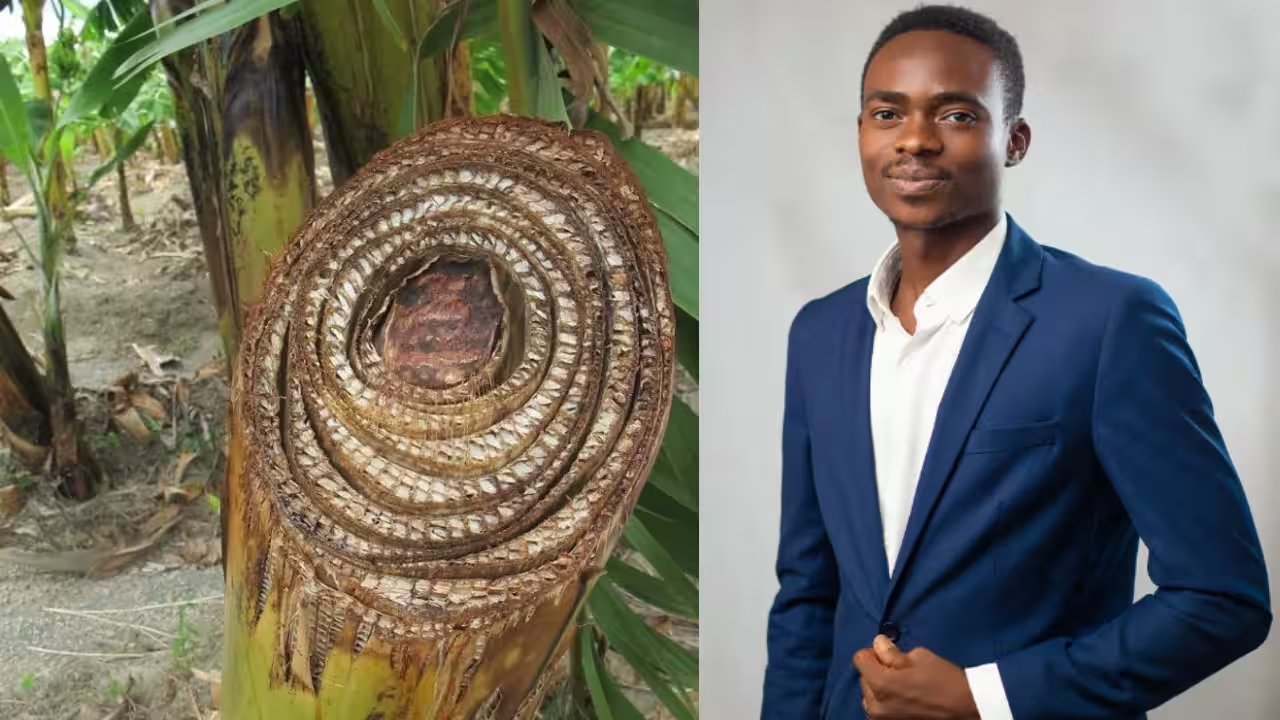
After harvesting bananas, farmers are often left with stems that have little commercial use. Oghenekevwe William Emadago, a researcher and entrepreneur from Nigeria, saw an opportunity in this waste. Through his company, Girlified, he is using fibres extracted from banana stems to make sanitary pads. The venture addresses two issues in the country. The difficulty he saw in the early days, some women and girls face in affording menstrual products and the disposal of agricultural waste. In 2026, Emadago received a $100,000 Global Citizen Waislitz People's Choice Award for his work. Girlified has produced millions of pads since its launch in 2021 and aims to reach 10 million women and girls annually by 2030.The childhood experience that led Emadago to develop affordable sanitary padsGlobal Citizen reported that Emadago first became aware of the difficulties surrounding menstrual care while growing up in Northern Nigeria. He saw girls in his community struggle to afford sanitary pads, with some finding it difficult to attend school during their periods. For many families, buying these products every month was an expense they could not easily manage.Years later, the issue became part of his work in research and social entrepreneurship. He began exploring whether materials already available in local communities could help make menstrual products less expensive and easier to access.This eventually led to Girlified, which he co-founded to make sanitary pads from agricultural waste. The venture grew out of two problems he had been looking at: the large amounts of agricultural material left unused after harvesting and the difficulty many women and girls face in accessing affordable menstrual products.How discarded banana stems become part of a sanitary padBanana plants leave behind large quantities of waste after harvesting. Their stems are usually discarded, but the fibres inside them can be put to other uses. Girlified has found a way to use this leftover material in the absorbent core of its sanitary pads.The idea also offers an alternative to the plastic and synthetic materials commonly found in pads. Girlified processes banana stem waste to extract fibres that can be used in its products, giving agricultural leftovers another purpose.Turning the stems into sanitary pads involves more than extracting the fibres. They need to be processed and made suitable for a product that can absorb menstrual fluid. Girlified says its pads are plant-based and plastic-free, with a focus on absorbency and comfort.More than 2.8 million pads produced since 2021Girlified's work has moved beyond the research and product-development stage. According to figures published by Global Citizen and the Waislitz Foundation, the company has produced more than 2.8 million sanitary pads since 2021 and reached over 70,000 women and girls.That reach includes more than the distribution of menstrual products. Girlified says its community programmes also involve menstrual health awareness, educational workshops and sexual health information. The organisation has linked this work with employment opportunities for local women through its manufacturing activities.A $100,000 award brings international recognitionIn August 2026, Emadago was named the winner of the Global Citizen Waislitz People's Choice Award. The recognition was part of the annual Global Citizen Waislitz Awards, presented by Global Citizen and the Waislitz Foundation to individuals developing solutions to social and economic challenges.The 2026 awards included three recipients, each receiving $100,000. Emadago was recognised in the People's Choice category, alongside Smart Israel, who received the Grand Prize, and Diana Yousef, who won the Disruptor Award.The award recognises the work Girlified has already carried out and provides financial support for its next phase of expansion. According to the Waislitz Foundation, the prize money will help the company increase its reach and work towards serving 10 million women and girls every year by 2030.You use AI every day. Now get your AI Quotient. Take the AIQ test.
Topics in this story
Gathered from external sources. Rights to this text belong to whoever originally published it.