6 ancient Ayurvedic remedies thar are making a comeback in women's wellness
Women's wellness has never had more information, products or protocols. Yet, paradoxically, many women I speak with describe feeling increasingly depleted.
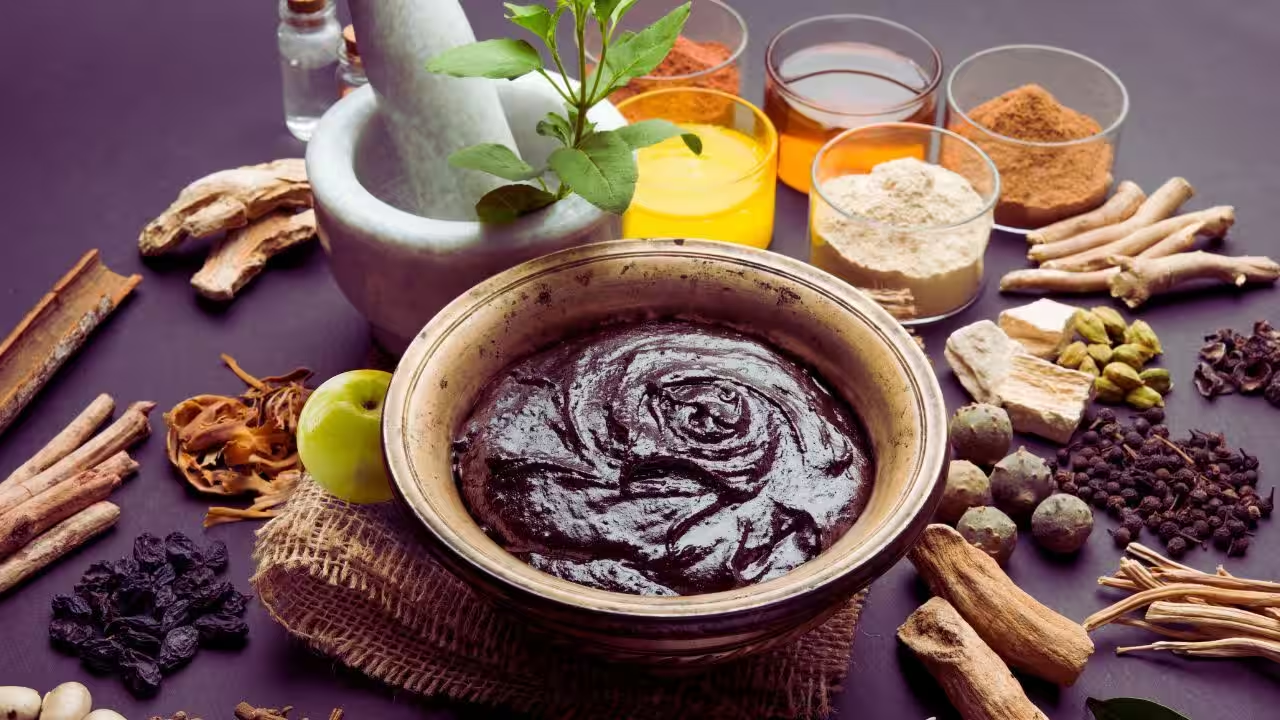
Women's wellness has never had more information, products or protocols. Yet, paradoxically, many women I speak with describe feeling increasingly depleted. They may be eating better and exercising, but still experience low energy, poor sleep, stress, digestive discomfort, bloating, or simply a persistent sense of not feeling their best. I call this modern-life depletion.Our bodies were not designed around 12-hour screen exposure, irregular meals, fragmented sleep, sedentary routines, environmental stressors and the mental load of being constantly "on." And the effects rarely stay confined to one part of the body. Stress affects sleep. Sleep influences metabolism and recovery. Digestion affects how nutrients are absorbed. Hormonal rhythms interact with stress and metabolic health.This is where I believe Ayurveda's resurgence becomes interesting. Its relevance isn't simply about rediscovering old herbs. It is about rediscovering a systems approach to wellbeing.Here are six Ayurvedic remedies and practices finding renewed relevance in women's wellness.1. Shatavari: Few Ayurvedic herbs are as closely associated with women as Shatavari (Asparagus racemosus). Traditionally regarded as a nourishing rasayana, it has long been used across different stages of a woman's life. Today, interest is growing alongside more open conversations around menstruation, perimenopause, menopause and healthy ageing. Its naturally occurring compounds include steroidal saponins known as shatavarins, along with flavonoids and polysaccharides.But I believe its modern relevance is best understood beyond the idea of a "hormonal herb." Hormonal wellbeing doesn't exist independently of stress, sleep, nutrition and metabolism. Shatavari represents a broader shift toward supporting women through physiological transitions rather than chasing a quick fix for individual symptoms.2. Ashwagandha: Perhaps no Ayurvedic concept feels more contemporary than resilience. Many women move continuously between professional responsibility, caregiving, family and an almost invisible mental workload. The body may stop working at the end of the day; the mind often doesn't.Ashwagandha (Withania somnifera) has traditionally been associated with restoration, vitality and resilience, and modern research has increasingly examined it in relation to stress response, sleep and cognitive wellbeing. That matters because chronic stress is not simply an emotional experience; it can influence sleep, appetite, digestion, energy, recovery and hormonal signalling. Ashwagandha's modern relevance, then, may be less about "reducing stress" and more about supporting the body's capacity to adapt and recover from it.3. Triphala: Ayurveda placed extraordinary importance on digestion long before "gut health" became a global wellness category. Triphala, traditionally combining Amalaki, Bibhitaki and Haritaki, has been used to support digestion and elimination, and it feels particularly relevant now, when routines include irregular meals, processed foods, stress eating, inadequate fibre, frequent travel and prolonged sitting.We often focus on what we eat. But nutrition is only as useful as the body's ability to digest, absorb, utilise and eliminate. The modern gut conversation increasingly connects digestive health with metabolic and immune function; Ayurveda approached this differently, but the underlying systems perspective is strikingly familiar.4. Punarnava: Bloating and puffiness are familiar experiences for many women, particularly during hormonal fluctuations, travel and periods of inactivity. Punarnava (Boerhavia diffusa) has traditionally been used in Ayurveda in relation to fluid balance and natural elimination pathways.What interests me about Punarnava is the larger principle it represents. Fluid balance isn't simply about "getting rid of water." It reflects coordinated physiological processes involving kidney function, circulation, electrolytes and metabolism. In an industry often focused on aggressive detoxes and cleanses, Ayurveda offers another perspective: support the systems the body already uses to filter, release and rebalance.5. Turmeric: Few Ayurvedic ingredients have made a comeback quite like turmeric (Curcuma longa). For generations, haldi existed somewhere between food, household wisdom and traditional care. Today, modern interest centres largely on curcuminoids, particularly curcumin, and their antioxidant and inflammatory-response properties, making turmeric relevant to conversations around cellular wellbeing, recovery, metabolic wellness and healthy ageing.Yet turmeric also illustrates a limitation of the modern wellness industry: we sometimes isolate one "hero ingredient" and expect it to compensate for an unhealthy system. No herb can fully offset persistent sleep deprivation, chronic stress, inadequate nutrition and inactivity. The ingredient matters. The biological environment around it matters too.6. Abhyanga: Perhaps the most interesting Ayurvedic comeback is not something we consume at all. Abhyanga, the traditional practice of gently massaging the body with warm oil, is one of Ayurveda's oldest daily rituals.A small pilot study examining daily 30-minute Abhyanga over 15 days reported a 16.4% reduction in perceived stress scores and a nearly 28% improvement in sleep-disturbance scores. These preliminary findings shouldn't be read as definitive evidence, but they make this ancient practice particularly interesting through the lens of modern stress and recovery research. Massage and therapeutic touch are also being explored more broadly for their effect on relaxation and the autonomic nervous system.For me, Abhyanga represents something bigger. Modern wellness repeatedly asks women: What else should you take? What else should you track? What else should you optimize? Ayurveda sometimes asks the opposite: can you slow down enough to let the body recover?The bigger comeback is systems thinkingWhat interests me most about the return of these remedies isn't nostalgia for ancient medicine. It is the return of a fundamental idea: the body does not operate in silos. Stress, sleep, digestion, metabolism, hormonal rhythms, elimination and recovery continuously influence one another. This thinking shaped my own journey, and eventually, the philosophy behind Ubalance Naturals: support the systems rather than chase individual symptoms. Ayurveda should not replace appropriate medical care, nor should ancient remedies be turned into modern miracle claims. Their real relevance may be far more valuable than that.In a world constantly asking women to do more, perhaps wellness begins by asking a different question: what is modern life continuously depleting, and what does the body need to restore its capacity for balance? That, to me, is where ancient wisdom and modern women's wellness meaningfully meet.By Gurmeet Kaur, Co-Founder, Ubalance Naturals
Topics in this story
Gathered from external sources. Rights to this text belong to whoever originally published it.