Scientists found only 22 wild northern copperbelly water snakes across Indiana, Michigan and Ohio in six years; 17 captive-bred juveniles have been released as efforts continue to save the threatened reptile
Scientists have documented just 22 wild northern copperbelly water snakes during six years of surveys across their northern range, highlighting the
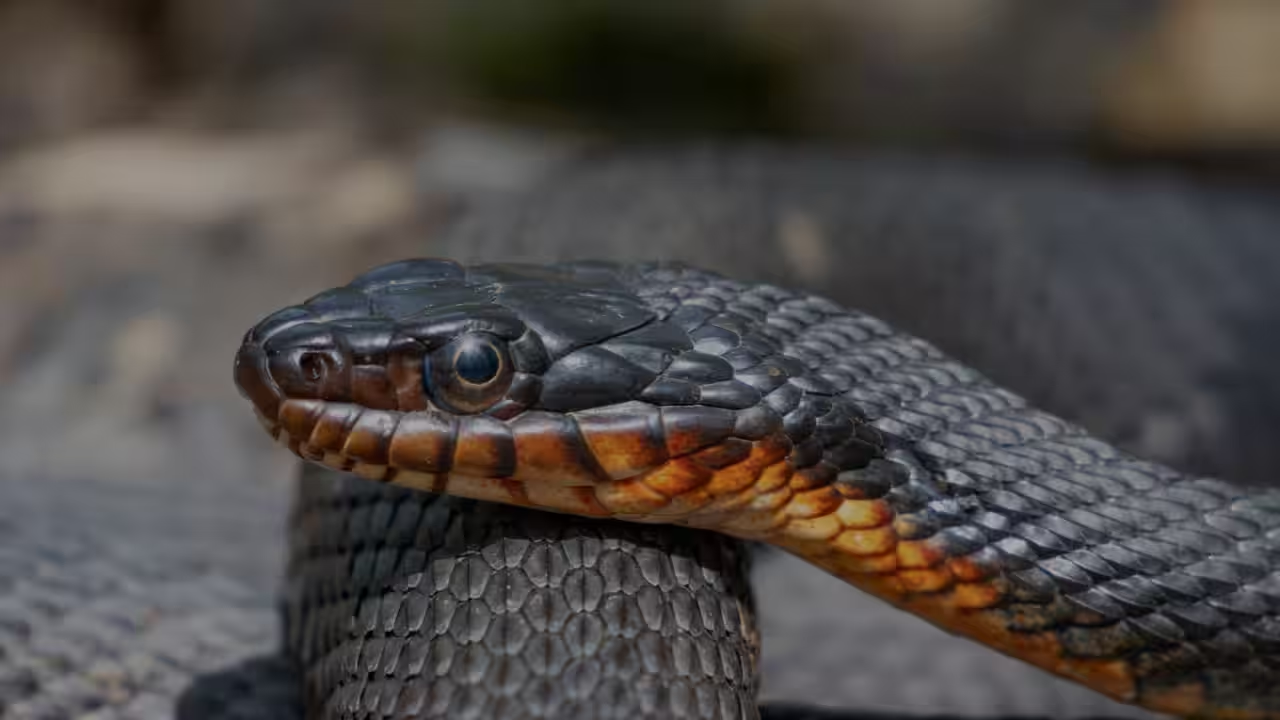
Scientists have documented just 22 wild northern copperbelly water snakes during six years of surveys across their northern range, highlighting the fragile state of one of the Midwest’s rarest reptiles. The US Fish and Wildlife Service conducted springtime surveys from 2020 through 2026, finding the snakes in only a few small, isolated locations across northern Indiana, southern Michigan and northwestern Ohio. To help rebuild the Great Lakes population, the agency partnered with the Toledo Zoo on a captive breeding programme. So far, 17 captive-bred juveniles have been released into suitable habitat, while another 10 are expected to be ready for release in 2027.Six years of surveys found only 22 wild northern copperbelly water snakesThe northern copperbelly water snake (Nerodia erythrogaster neglecta) was listed as threatened in 1997 after populations declined sharply during the mid and late 1900s. The US Fish and Wildlife Service said its northern population represents the species at the northern extent of its range.From 2020 through 2026, biologists carried out springtime field surveys across the species’ northern range. Despite sustained efforts in the most well-studied population strongholds, they documented only 22 wild individuals. The agency stressed that the figure reflects the limits of survey coverage rather than a complete census of the species. Habitat loss, degradation and fragmentation have left the snakes in a few small, isolated locations, according to the US Fish and Wildlife Service.Captive breeding has produced 17 young snakes for release into the wildThe recovery effort began in 2020 with a captive breeding partnership between the US Fish and Wildlife Service and the Toledo Zoo. Nineteen of the 22 documented snakes were brought into the programme, where they were health-checked, tested for snake fungal disease and incorporated into the breeding population. Two adult females have since successfully produced live young, while several other females may be pregnant.The programme has also improved survival among newborns, with about 71% surviving in captivity. As healthy juveniles reach their second summer, they are fitted with radio transmitters and released into suitable habitat near where their parents were captured. So far, 17 juveniles have been released, while another 10 are expected to be ready in 2027, the US Fish and Wildlife Service reported.Captive breeding alone cannot restore the population because the snakes depend on shallow wetlands connected by mature forests. They feed primarily on frogs, toads and tadpoles and may travel hundreds of metres between habitats. Since 2018, 17 habitat restoration projects have also been completed in Michigan, while 16.4 acres of forest and wetland habitat supporting the species were restored at Ohio’s Lake La Su An Wildlife Area in 2025, according to the agency.You use AI every day. Now get your AI Quotient. Take the AIQ test.
Topics in this story
Gathered from external sources. Rights to this text belong to whoever originally published it.