Draft law to deal with Troubles legacy backed by MPs
MPs voted 330 to 178 in favour of the Northern Ireland Troubles Bill on Tuesday.
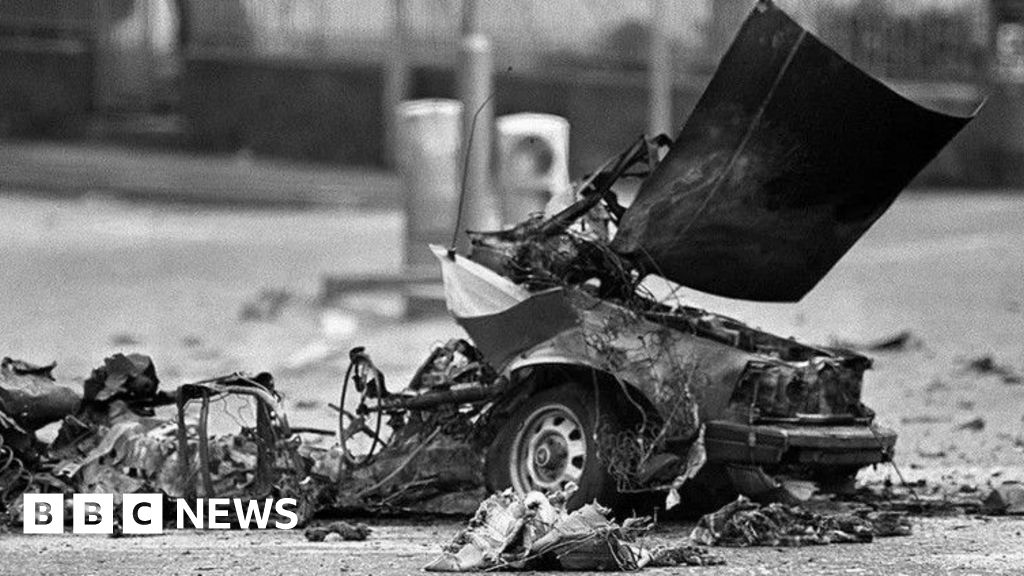
Legislation aimed at tackling the legacy of the Troubles in Northern Ireland has passed its stages in the House of Commons.
The long-awaited bill was backed by 330 MPs with 178 voting against following two days of intensive debate over the details of hundreds of amendments.
It will now proceed to the House of Lords to face further scrutiny, which is expected to continue into next year.
Northern Ireland Secretary Sir Chris Bryant described the bill as being about "honesty, candour, the pursuit of justice and most importantly truth".
He said "although much of the debate has been about veterans" the planned legislation was "actually primarily about families".
The bill seeks to address the unresolved legacy of decades-long violent conflict known as the Troubles in which thousands of people were killed.
It was first introduced to Parliament last year following agreement on a joint framework with the Irish government .
The bill would replace the previous Conservative government's contentious 2023 Legacy Act, which banned inquests and civil actions related to Troubles-era incidents.
The act's most controversial element - offering immunity from prosecution to suspects who cooperated with an information recovery body - was disapplied after being found by the courts to be unlawful.
Labour's plan involves a legacy commission to investigate Troubles-related killings, a separate information recovery body, and a dedicated legacy unit within An Garda Síochána (Irish police).
Last week the government published a series of amendments, including a requirement for the attorney general to provide consent for any serious prosecutions.
The government said its amendments "significantly reduce" the prospect of military veterans facing "rinse and repeat" investigations.
But the secretary of state rejected claims the changes amounted to an "amnesty" for former soldiers.
While some have argued protections for veterans do not go far enough, Sinn Féin has branded the amendments a "veterans' charter".
The Democratic Unionist Party (DUP) has also raised concerns that MPs have not been given enough time to scrutinise the changes.
Speaking in the Commons on Tuesday, Sir Chris said the bill was seeking to achieve a "balance" in its provisions.
"This bill isn't about one group or another," he told MPs towards the conclusion of several hours of debate.
"It's not about special favours for one group or another."
A spokesperson for the Irish Department of Foreign Affairs said the amendments on the bill marked an "important milestone".
"Last year's joint framework was a momentous step forward, and what is needed now is full and timely implementation," they said.
The Foreign Affairs Minister, Helen McEntee, had been in close contact with the NI secretary over the past number of weeks, the statement continued.
"It is vital that implementing legislation is compliant with the ECHR [European Court of Human Rights] and faithful to the joint framework, so that it can deliver for victims and their families.
Victims and veterans keeping close watch on Troubles legacy bill debate
Topics in this story
Gathered from external sources. Rights to this text belong to whoever originally published it.