In 2023, Maine’s anonymous $1.35 billion Mega Millions winner sued his former partner over revealing the win, risking his own identity becoming public
A Maine man who won a $1.35 billion Mega Millions jackpot in 2023 is suing his former partner for allegedly disclosing details of his win, risking his anonymity. The case explores the implications of lottery winnings on personal relationships and privacy.
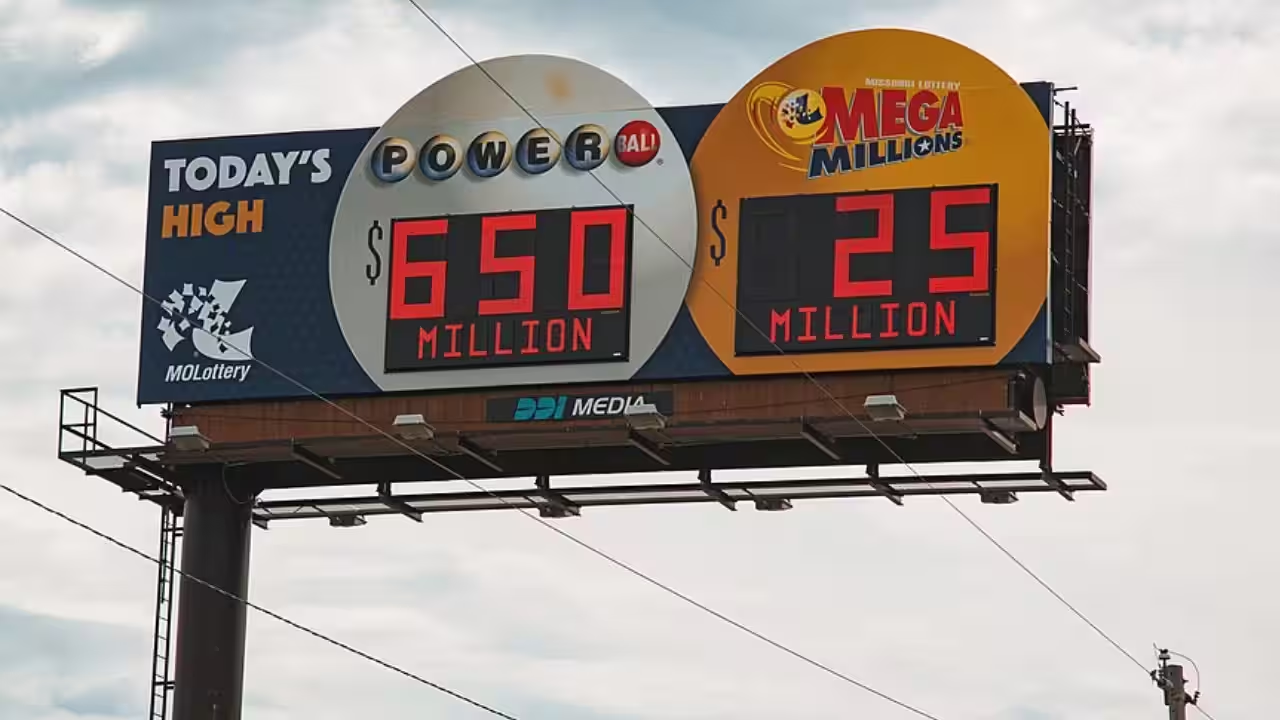
After winning the Mega Millions jackpot in January 2023, the man went to considerable lengths to keep his identity and fortune private. Months later, that effort led him into an unusual legal battle with the mother of his child, after he alleged that she had disclosed details of his winnings to members of his family. The dispute threatened his anonymity because he filed the lawsuit himself. He was identified in court filings only as "John Doe", while the woman was referred to as "Sara Smith". The case raised questions about how far a lottery winner can go to protect his identity when family ties are involved.A jackpot worth hundreds of millionsCBS News states that the winning ticket was bought in the Mega Millions lottery draw held on January 13, 2023, at the Hometown Gas & Grill in Lebanon, Maine. The jackpot amounted to an estimated $1.35 billion. This is one of the largest lottery jackpots in American history, and it is the first Mega Millions jackpot won on a ticket purchased in Maine. The odds of getting all six numbers are about 1 in 302.6 million.The winner did not claim the prize in person. Instead, the prize was claimed by LaKoma Island Investments LLC, which meant that his identity remained private. He chose to go for the lump-sum payment method. Maine generally does not permit lottery winners to remain completely anonymous, but the state's lottery allowed this winner's identity to remain shielded through the LLC. That arrangement let the public know the ticket had been claimed without revealing the winner’s name.The agreement to keep the winnings secretAccording to The Portland Press Herald, the winner's concern about privacy extended beyond the public. The lawsuit was filed in federal court. He and the mother of his child signed a non-disclosure agreement on February 8, 2023, shortly after he won the jackpot. The agreement was intended to protect the safety and privacy of the winner, the mother of his child and their daughter. Under the agreement, she could share specific information with her daughter, attorneys, financial advisers and others who needed to know. The agreement was set to last until June 1, 2032, when their daughter turned 18. The winner also offered to pay for security.However, in September 2023, the agreement began to break down. The winner claimed that the woman had betrayed his identity and the details of his lottery windfall through telephone conversations between him and his parents. According to the plaintiff, his sister was also aware of the win. He argued that the disclosures put him at risk by compromising his privacy. His complaint sought a permanent injunction against further disclosures and at least $100,000 in damages. Both parties used pseudonyms in the court filings.When protecting anonymity became a court caseThe dispute eventually reached federal court, where the winner tried to keep his name and financial details out of the public eye. A federal magistrate judge allowed him to continue using the name “John Doe”, citing the privacy concerns raised in the case. The woman involved gave a different account of the events, leaving the court to consider two competing versions of what had happened.For the winner, the biggest concern was no longer just the money attached to the ticket, but how much of his personal life could become public. A lottery ticket costing only a few dollars had led to a federal lawsuit in which privacy, confidentiality and the disclosure of his identity became central issues.You use AI every day. Now get your AI Quotient. Take the AIQ test.
Topics in this story
Gathered from external sources. Rights to this text belong to whoever originally published it.