How this summer may have been when climate change felt real
This summer has seen hot weather records broken, drought and major damage from fires.
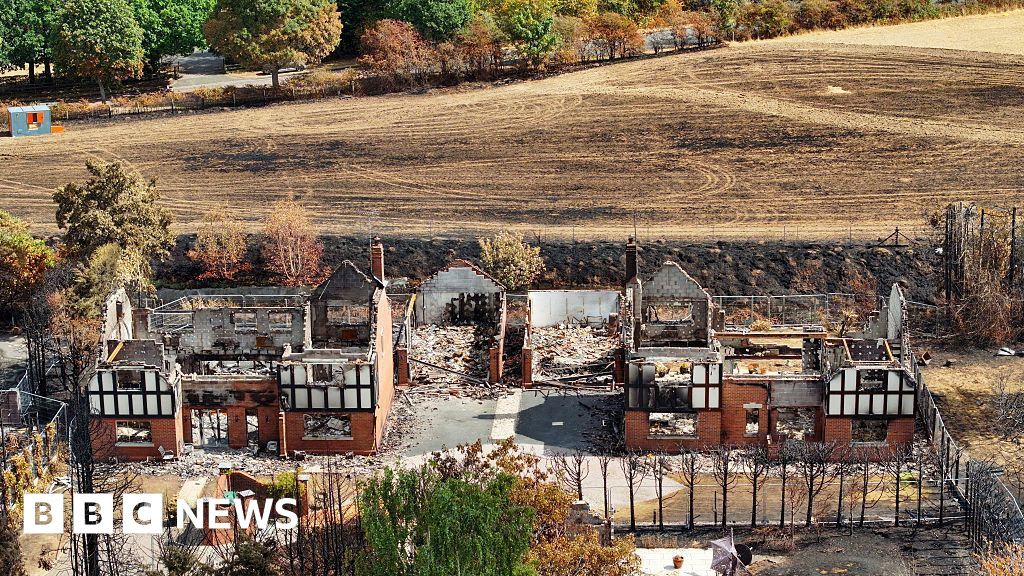
Is this the year climate change became real for people of the Midlands?
I mean climate change is real, I've spent a 25-year career telling people it is real and documenting its impact on the region: Floods, dry spells, heatwaves and more.
So why for many people does this year feel different - like climate change is finally "here" ?
Well in 2026, things have reached some sort of tipping point where we can start to see really obvious signs of change that had a huge impact on at least some of us.
A winter of endless rain, not just wet but never ending .
Then the rain stopped and we were hurtling into drought .
We have had wildfires this year because things have been so dry for so long, the hot air has just sucked the moisture out of the landscape.
It leaves vegetation dead, dry and needing just a small spark to erupt into flame.
On Cannock Chase, I spent the day with Staffordshire County Council rangers, as they showed me around the black, scorched earth left behind after the fires that took place there.
I saw pictures of dead adders along with cracked and burnt eggs belonging to ground-nesting birds.
It is not just wildlife affected by them - the ash from the fire is changing the chemistry of the soil itself.
It is much more nutrient-rich and that is bad news for this rare lowland heathland, where the traditional plants prefer poorer quality soil.
Already green shoots of bracken are bursting through the blackened earth and that will crowd out the traditional heather, bilberry and cowberry.
The Met Office has a list of things climate change will make worse, including "increased risk of fires" but it also says the "habitable region of pests expands".
That is exactly what our farmers are seeing this year.
Bluetongue is an awful disease affecting cattle and sheep, leading to the death of lambs and calves.
It is carried by infected midges and as the climate has warmed the region, infected midges have expanded north from Europe to now include the Midlands.
There were also nine cases in Shropshire, two in Herefordshire and one each in Worcestershire, Warwickshire and Solihull.
Thanks to climate change, farmers must now rethink the way they look after these animals, keep them inside when the risk is high, or consider spending money on vaccination.
Back at Cannock Chase, the small team is working to try and restore the charred landscape and also improve fire breaks and access for fire engines for when the next wildfire season starts.
Meanwhile "risk to water supplies" is another climate change issue identified by the Met Office, and Severn Trent is working to tackle that.
Not least by increasing the size of Draycote Water reservoir by 60cm (24 inches) so it can hold more water.
Everywhere you look in the region, people are dealing with the identified issues climate change is causing and it's costing all of us money.
Since we continue to keep pouring climate change gases into the environment the problems just keep increasing.
As one expert told me, climate change is here, the climate the UK was designed for no longer exists and that leaves us with no choice but to adapt.
Was this the year climate change finally felt "real" to you? Just wait until next year and the year after that.
Follow BBC Stoke & Staffordshire on BBC Sounds , Facebook , X and Instagram .
I watched my daughter's house burn - how day of fires changed lives
'We cannot show our grandson photos of his dad after wildfire destroyed our house'
Midlands wildfire 999 calls were diverted to London
Boys arrested over wildfire at beauty spot
Why has the West Midlands had so many fires?
Topics in this story
Gathered from external sources. Rights to this text belong to whoever originally published it.