'Time has come': Commonwealth chief urges King Charles to apologise for Britain's role in slave trade, calls for reparations talks
Commonwealth Secretary-General Shirley Ayorkor Botchwey calls on King Charles III to apologise for Britain's role in the slave trade and initiate discussions on reparations, as the upcoming Caribbean tour looms. This article discusses the demands from Commonwealth nations, the implications of the King's visit, and the ongoing debate on reparations.
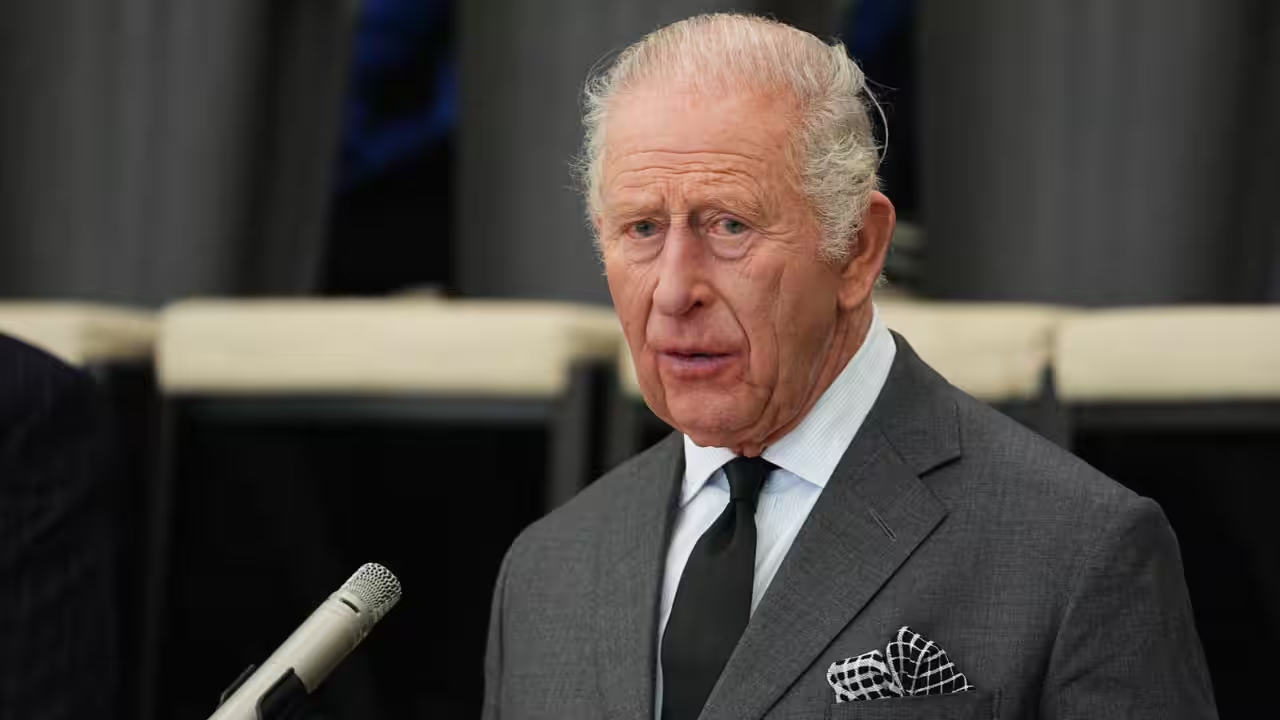
Commonwealth Secretary-General Shirley Ayorkor Botchwey has called on King Charles III to apologise for Britain's historical role in the slave trade, saying the “time has come” for countries to discuss reparations for the harm caused by slavery.In an interview with Sky News, Botchwey said several Commonwealth countries wanted an apology from the monarch ahead of his upcoming Caribbean tour. Asked whether he should apologise, she said: “That’s what the countries have asked for... It wouldn’t hurt to have that. Not at all.”“I don't believe we can run away from it,” she added. “But it is important to determine the form that reparations should take, and that is something that will emerge eventually.”Botchwey said countries should decide collectively how reparations could work, including whether they should involve financial compensation or other forms of support.“Us as countries sit around the table to discuss, as difficult a subject as it is, I believe that countries will come to some conclusions,” she said.She said possible measures could include “concessional financing”, the return of artefacts and action on climate-related issues.The debate is expected to feature during the King's eight-day visit to three Caribbean nations, as well as at the Commonwealth Heads of Government Meeting, where reparations are likely to be a contentious issue.However, the King is not expected to issue a formal apology or offer reparations, in line with government advice. Buckingham Palace has said he will use the visit to acknowledge the historical wrongs associated with slavery.A Palace spokesperson said: “It is important to note here the work His Majesty himself has done over many years both to acknowledge the wrongs of the past and to find creative ways to ‘right inequalities that endure’.”The spokesperson added that the visit would provide opportunities to “reflect and renew his personal, wholehearted and continuing commitment” to that process.The Palace has previously said the King takes the issue of slavery and reparations “very seriously” and “feels personal sorrow at the suffering of so many”.Botchwey, Ghana's former foreign minister, became Commonwealth secretary-general after Baroness Patricia Scotland stepped down in March last year. She has previously expressed support for financial reparations and said the issue should be discussed by member states.Jamaica takes reparations petition to the KingThe renewed calls come as Caribbean campaigners seek compensation for the slave trade and its lasting effects. Envoys from Jamaica and other former British colonies have urged the King to support their campaign.Last month, Jamaica's culture minister, Olivia Grange, led a delegation to London to submit a petition to the monarch. Grange later told Jamaica's parliament that the King had referred the matter to the Privy Council, which remains the country's highest court of appeal under legislation dating back to the 19th century.Grange described the referral as a “big deal”, saying the King could have ignored the petition or declined to refer the questions for consideration.A hearing has provisionally been scheduled for the week of March 8, 2027. The committee could consider whether slavery was illegal and whether Britain has a legal obligation to provide a remedy.You use AI every day. Now get your AI Quotient. Take the AIQ test.
Topics in this story
Gathered from external sources. Rights to this text belong to whoever originally published it.