Congo’s Ebola outbreak tops 10,000 cases as authorities race to slow the spread in African countries
The fast-moving Ebola outbreak in Congo has reached 10,000 confirmed cases, government data showed Tuesday, as health authorities race to slow the spread of the disease in multiple African countries.
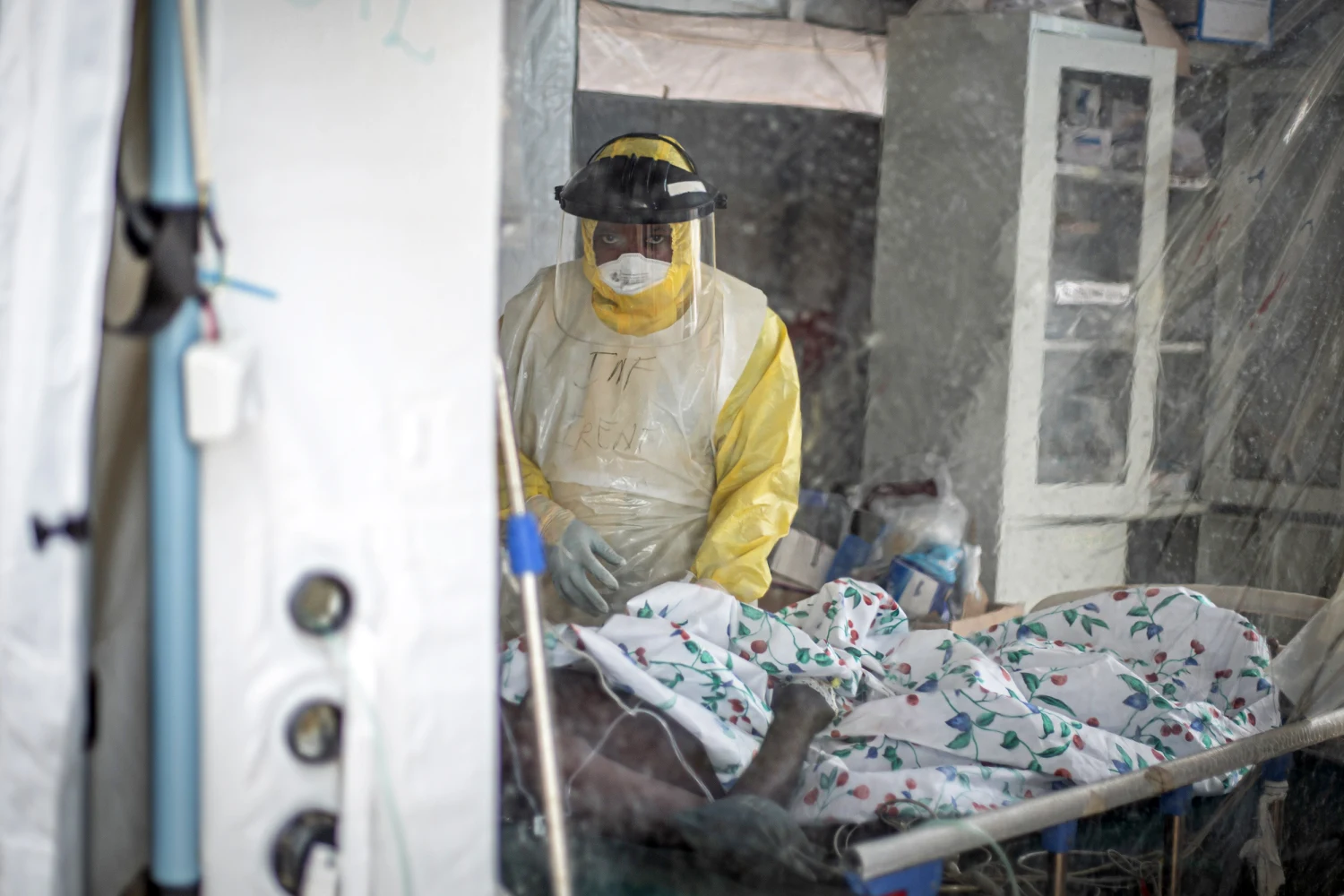
The fast-moving Ebola outbreak in Congo has reached 10,000 confirmed cases, government data showed Tuesday, as health authorities race to slow the spread of the disease in multiple African countries. It is the fastest-growing Ebola outbreak in history and nearly half of the 10,060 confirmed to have the virus have died, according to data from Congo’s Ministry of Health. That also makes it the deadliest outbreak of the disease in the country’s history. The outbreak declared in May is caused by the rare Bundibugyo virus, for which there is no approved vaccine or treatment. Response teams are battling armed conflict, poor roads and violence from residents fueled by mistrust and misinformation. Those obstacles compound the challenge of persuading people to report symptoms and accept care in communities that have endured years of violence and repeated epidemics. Compared to the West Africa Ebola outbreak of 2014-2016 — history’s largest and deadliest with more than 28,000 cases, including over 11,000 deaths — this has had at least three times the number of cases and number of deaths in the time since it was declared. It has spread farther across Africa than any previous Ebola outbreak, reaching three regions with cases recorded in Kenya and Nigeria as well. It’s so far been recorded in five countries including Uganda and France, both of which have no active cases at the moment. A recurring problem in the spread in Africa is what appears to be lax surveillance efforts as most of the first cases were confirmed long after people started showing symptoms or after traveling. In Congo, the disease has spread to 66 health zones across eight provinces, from three zones when it was first declared in May. Responders have told The Associated Press that they’re seeing treatment centers in some of those health zones getting overwhelmed, people still skeptical and violent toward them, and health workers are regularly going on strike to protest delayed or unpaid wages. “Some people still don’t seem to understand the seriousness of the situation even though they are directly exposed to the risk,” said Sephora Bgosi with the Ebola burial team in Ituri province, the epicenter. “Ebola disease is extremely dangerous and can be deadly,” said Bgosi. About 80% of recorded cases are still coming from outside of monitored contacts, showing there are ongoing chains of transmission that health authorities are not aware of. At least 95% of recorded cases are supposed to be coming from known contacts for officials to say the outbreak has largely been brought under control, the Africa CDC has said. At least half of deaths recorded are among people who have not been admitted to treatment centers, a sign that people are still not reporting symptoms at all in many areas. In many zones, health workers are battling challenges ranging from basic needs such as adequate vehicles to complex ones like persuading families to release their relatives who are sick with the disease or who have died from it and need to be buried safely. Last week at the Nia Nia health zone in Ituri province, some Ebola responders, including surveillance and community engagement officers, went on strike over unpaid bonuses owed since late August, a common trend across many affected localities. More than five months since the outbreak was declared, health workers are still being attacked by angry villagers, including on Saturday when a nurse was killed and another health worker severely injured while responding to an Ebola alert in Bafwasende, Tshopo province. The outbreak has disrupted essential health services that are already underfunded and overstretched and has shifted attention away from other disease outbreaks the country is battling, such as cholera. More pregnant women are dying as they avoid hospitals over fear of infection and isolation, causing maternal mortality to double in some provinces soon after the outbreak was declared. It has also disrupted routine healthcare services such as childhood vaccinations, interrupted schooling for children where millions are already out of school, caused trauma and stigma for affected families and further stretched the livelihoods of many already struggling with hardship.
Topics in this story
Gathered from external sources. Rights to this text belong to whoever originally published it.