Cetirizine: Kenyan pharmacists warn against using allergy drug for vaginal tightening
Women who have already tried inserting the tablets are advised to stop and seek medical attention if needed.
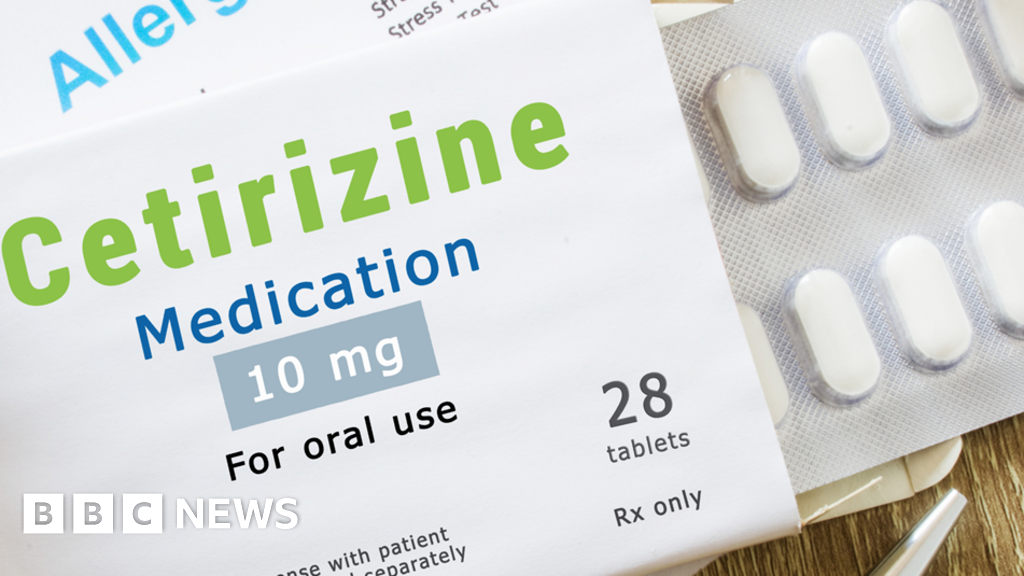
Kenyan pharmacists have warned women against inserting allergy tablets into their vaginas in an attempt to make them tighter, following the spread of potentially dangerous medical advice on social media.
The warning follows a wave of social media posts promoting cetirizine - a widely available oral antihistamine used to treat allergies - as a way of tightening the vagina, supposedly to enhance sexual pleasure.
Although antihistamines can sometimes cause dryness as a side effect, experts say this does not strengthen vaginal muscles.
"Dryness is not tightness... instead, it may increase friction, discomfort, and the risk of tissue injury," the Pharmaceutical Society of Kenya (PSK) said.
"Inserting oral tablets is unsafe. Cetirizine tablets are made to be swallowed. Their ingredients have not been tested on delicate vaginal tissue," it added.
Cetirizine is commonly used to relieve symptoms such as sneezing, a runny nose, itchy eyes and skin reactions, including hives.
The controversy began earlier this week when posts circulated on TikTok claiming that cetirizine could reduce vaginal moisture and create a sensation of tightness during sex.
This sparked widespread debate, with some users promoting the practice while others questioned its safety.
There have also been local media reports of the price of the drug rising and increased demand in some pharmacies, especially in the capital, Nairobi.
"Cetirizine is an allergy medicine, taken by mouth. It is not approved or tested for any other purpose, and definitely not for vaginal use," the PSK, a professional body representing pharmacists in Kenya, said in a statement issued on Thursday.
"If you have already tried it. Stop. See a doctor if you have pain, bleeding, burning, itching, unusual discharge, or fever," it advised.
The society also urged social media influencers and content creators to take care when sharing health information, saying that unverified claims could put people's health at risk.
The warning comes a day after Kenya's health ministry expressed concern about the trend.
Ouma Oluga, a senior health official, said some social media users appeared to be treating the medical advice from experts as a joke, without considering the possible consequences.
He suggested that the authorities could introduce a system to track the distribution and purchase of medicines to help identify possible misuse.
However, no formal decision has been announced on such a initiative.
The PSK said it was aware of reports of increased demand for cetirizine, rising prices and shortages at some pharmacies.
It urged retailers not to exploit the trend, warning that people who genuinely needed the medicine for allergies could struggle to obtain it.
It went on to encourage its members not to knowingly dispense medicines that would be misused - and report any side affects to the health authorities of those that had been.
The PSK ended its statement by saying that unverified online trends should never trump what the experts say: "Check with a pharmacist before using any medicine for a purpose it was not made for.
"Do not rely on social media for medical advice."
Weight-loss treatments boom as Kenyan attitudes to beauty change
The Kenyan enthralled by the healing power of plants
'Thankless job' - why trainee Kenyan doctors are taking their own lives
Go to BBCAfrica.com for more news from the African continent.
Topics in this story
Gathered from external sources. Rights to this text belong to whoever originally published it.