In 2020, Jamie Marais cycled 337 km and climbed 9,000 metres in 36 hours; the ride raised over R400,000 for rhino protection and local families
In an inspiring effort, Jamie Marais cycled 337 km and climbed 9,000 metres in 36 hours, raising over R400,000 to support rhino protection and aid local communities during the COVID-19 pandemic.
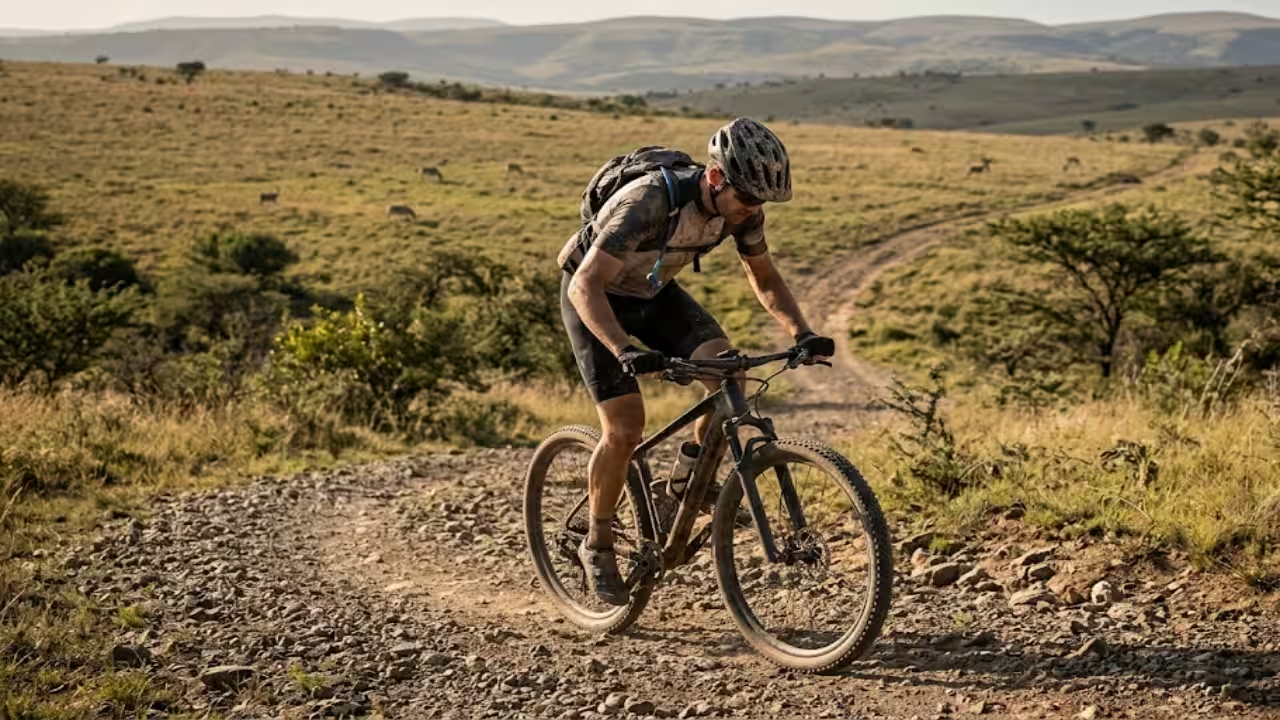
The money that covertly funds rhino protection was among the first things to vanish when the pandemic devastated South Africa's safari resorts in 2020. With the lodges closed, there were no visitors or levies, which many private reserves use to fund conservation and community projects. In light of this, on August 29 and 30, 2020, South African endurance athlete Jamie Marais rode a mountain bike for 36 hours at Kariega Game Reserve in the Eastern Cape, covering 337 kilometres and climbing 9,000 metres. Over R400,000 was raised by his journey for local residents in need of food and rhino protection.Kariega Game Reserve, the host of the event, said Marais completed the gravel circuit 40 times to make it to the top. His 9,000 metres of ascent is slightly more than Mount Everest’s officially recognised height of 8,848.86 metres, and the reserve says he is the only known person to have pedalled that much vertical gain in a Big Five game reserve in 36 hours. Marais came up with the idea after telephoning Lindy Sutherland, director of the Kariega Foundation, knowing that tourism enterprises were making no money during the lockdowns.36 hours on a single climbThe 337 kilometres over the full 36 hours works out to just over nine kilometres an hour, which seems reasonable until you recall the climbs. Marais reported the incredibly cold circumstances on a dangerous path, with temperatures plunging close to freezing overnight. Jo Oliver, who operates Settlers Drift Lodge on the reserve, said she waited in the dark at the top of the hill on what she called the coldest night of the year, watching him climb yet another rise.He had not intended to finish at 9,000 metres. Marais told BizNews he had been aiming for around 16,000 metres, though he still described the final total as formidable, with elephants and other dangerous wildlife around. In 2016 he reached the summit of Cape Town’s Table Mountain 22 times in 28 hours, a total of more than 16,000 metres, according to The Herald in Gqeberha.Around 100 people helped make the event happen. Volunteers included cycling commentator Phil Liggett, three-time Roof of Africa champion Louwrens Mahoney, Mountain Bike SA editor Paul Ingpen and video director Fergus Clark, while spectators around the world followed live social media broadcasts.Why rhinos need the helpSouth Africa’s Department of Environment, Forestry and Fisheries said 394 rhinos were poached in 2020. It was a 33% drop from 594 in 2019 and the sixth consecutive year of decline. Of those, 247 were killed in national parks, including 245 in Kruger National Park. The department said lockdown restrictions curtailed the movement of alleged poachers and rhino-horn smugglers, contributing to the decline in poaching. It cautioned that poaching increased later in the year as restrictions eased, particularly in December. Its provincial table recorded zero poached rhinos in the Eastern Cape in 2020, down from two the year before. Kariega itself notes that more than 8,000 rhinos were killed in South Africa between 2009 and 2019 and that the country is home to more than 80% of the world’s remaining rhinos.On 2 March 2012, a female rhino and two male rhinos were killed near Kariega. Both bulls perished. The cow lived and became the first rhino known to have survived poaching, the reserve said. Her staff called her Thandi, an isiXhosa word for courage. The reserve has since operated a full-time Anti-Poaching Unit with canine support, tracking and monitoring devices and frequent dehorning, according to the Kariega Foundation.Where the money went That was one of two units that benefited from Marais’ ride. The R400,000 supported both the anti-poaching unit and community food aid, including soup meals run by the foundation. The reserve had been closed for five months at the time of the incident, with its lodges partially reopening to South African guests from 1 September. Foundation trustee Graeme Rushmere said the support from around the world had been overwhelming for the team, and he hoped the ride would motivate others to help those in need through the trials of the pandemic.You use AI every day. Now get your AI Quotient. Take the AIQ test.
Topics in this story
Gathered from external sources. Rights to this text belong to whoever originally published it.