Since 2016, South Africa’s Rhino Peak Challenge has raised almost R8 million through a 21-km route to the 3,056-metre summit for wildlife conservation
Join the Rhino Peak Challenge to climb South Africa's 3,056-metre summit while raising funds for wildlife conservation efforts. Discover how this annual event supports endangered species and environmental projects as it celebrates its ongoing success since 2016.
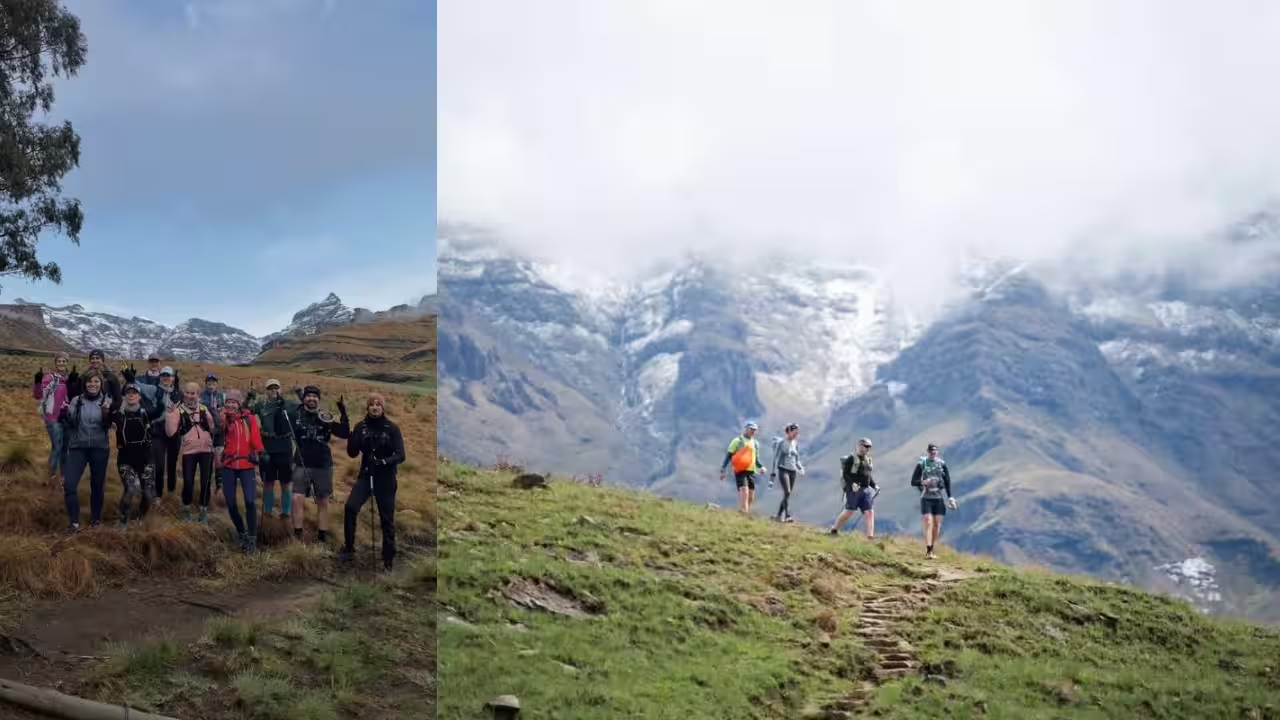
The Rhino Peak Challenge asks participants to complete a 21-kilometre mountain route in South Africa’s Maloti-Drakensberg Park, and reach a summit that is located 3,056 metres above sea level. The event began in 2016, and has raised almost R8 million for wildlife conservation, according to its official website.The fundraiser takes place annually and supports projects that are focused on threatened species such as rhinos, vultures and cranes. Participants take on the climb as conservation ambassadors, and also raise money through individual fundraising campaigns and donations. The route can be completed on foot at the participant’s own pace, but the terrain and elevation make it a highly demanding challenge even for hikers who are experienced, as the challenge takes place within the Maloti-Drakensberg Park World Heritage Site, which is a protected mountain landscape that crosses the border between South Africa and Lesotho.A 21-kilometre route to the summitThe challenge covers 21 kilometres to the summit of Rhino Peak and back, and participants can either walk or run, with no time limit. The event organisers say most ambassadors complete the course in four to nine hours, as per their pace and conditions. Rhino Peak rises to 3,056 metres, and the climb takes place in a wilderness area instead of an urban running course, which makes participation limited, with selected ambassadors expected to raise money for the event’s conservation beneficiaries. The official challenge website lists the fastest known times as 2 hours and 15 minutes for men, a record set by Kane Reilly, and 2 hours and 45 minutes for women, set by Holly Page.Where does the fundraising go?The Rhino Peak Challenge directs funds to several conservation organisations such as Wildlife ACT, the Endangered Wildlife Trust and Ezemvelo KZN Wildlife, with the event’s current website also listing the Bearded Vulture Recovery Programme. Wildlife ACT works on the monitoring and protection of threatened wildlife in southern Africa, and the organisation says that money that is raised through the challenge supports conservation work involving species such as rhinos, vultures and cranes. The Endangered Wildlife Trust also identifies the fundraiser as a source of support for projects targeting those groups.The beneficiaries address different conservation pressures, including wildlife monitoring and anti-poaching efforts to habitat protection and species recovery, with the funds being allocated to specific projects. Wildlife ACT’s fundraising page confirms the challenge’s launch in 2016 and says that it has raised more than R6 million for its original key beneficiaries. The newer total on the event’s own website is almost R8 million, which reflects a later reporting point.Why the event limits participationThe number of ambassadors is restricted because the route passes through a protected wilderness area, and those who are interested in taking part must apply to become ambassadors, and each participant is expected to commit to fundraising. The organisers set a minimum fundraising commitment of R20,000 for ambassadors, and this format makes fundraising part of the participation requirement, rather than leaving donations entirely to spectators or sponsors.The challenge has continued as an annual event since its launch, and its conservation work depends on the money raised by participants and donors, while access to the mountain route remains limited. The official event website lists the 2026 challenge for September 19 and provides information for prospective ambassadors and donors.You use AI every day. Now get your AI Quotient. Take the AIQ test.
Topics in this story
Gathered from external sources. Rights to this text belong to whoever originally published it.