Diwali cleaning DIY: How to make your own reusable floor-cleaning cloth from old clothes
Diwali cleaning has a way of piling up old clothes in the cupboard, worn-out t-shirts, faded nightwear and soft cotton kurtas that no longer get worn but
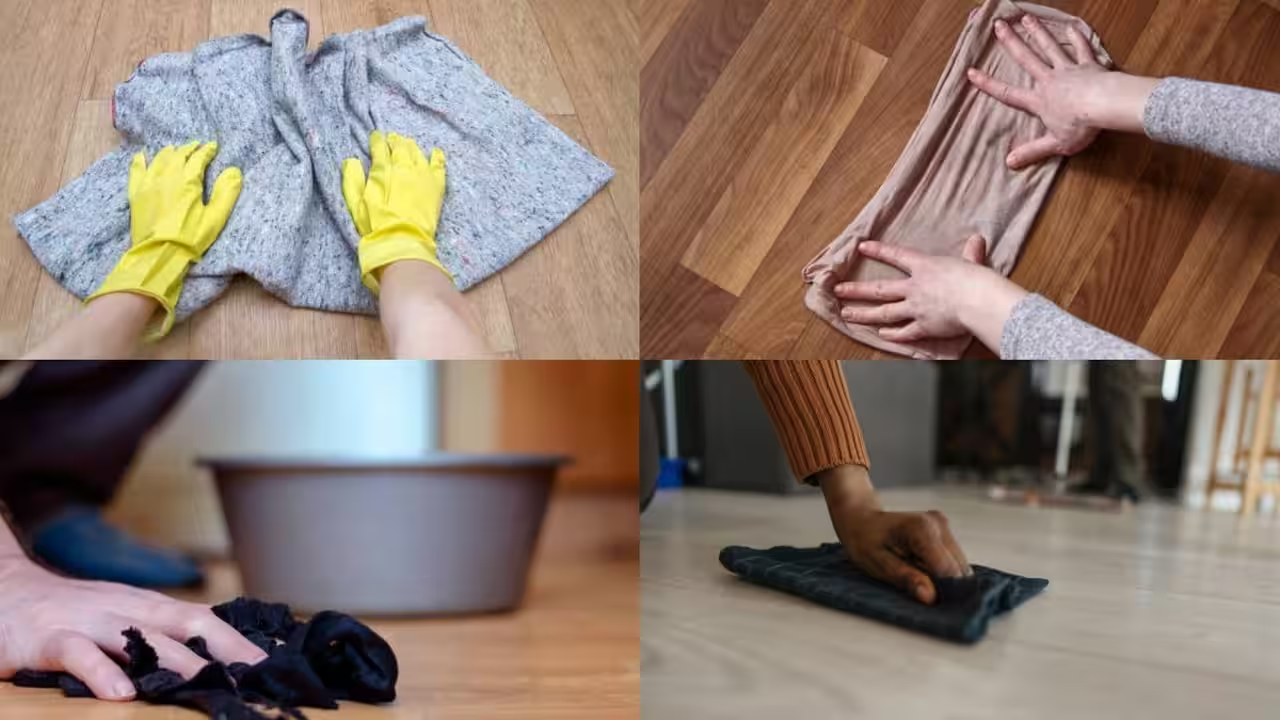
Diwali cleaning has a way of piling up old clothes in the cupboard, worn-out t-shirts, faded nightwear and soft cotton kurtas that no longer get worn but still feel too good to bin. Instead of buying disposable mop heads and wipes, you can turn them into sturdy floor-cleaning cloths that cost nothing and wash again and again. A homemade cloth is also a good way to cut down on waste at a time of year when the house tends to fill up with packaging. Here’s how to make one in five easy steps, with no sewing machine needed.Choose the right old clothesThe best fabrics are soft, absorbent cotton, such as old t-shirts, cotton sarees, bedsheets, towels or kurtas. Cotton soaks up water well and leaves very little lint behind. Avoid anything with sequins, heavy embroidery, thick seams, zips or buttons, since these can scratch your floor, and be careful with synthetics, which tend to push the water around instead of absorbing it. Wash the clothes first and let them dry, so they’re clean and any dye has already run.Cut the fabric into usable piecesLay the fabric out flat and cut it into squares or rectangles. A piece about 12 by 12 inches is handy for wiping by hand, while a larger piece of around 20 by 30 inches works better wrapped around a mop or flat floor-wiper. T-shirts can also be cut into long strips, which you can knot or braid together into a mop head. Straight, even edges make the cloth easier to fold, though they don’t need to be perfect. Use sharp scissors and discard any thin or torn areas.Layer for extra absorbencyA single thin layer of cloth soaks up very little, so a thicker pad does a better job. Stack two to three layers of fabric on top of each other, ideally with the softest cotton on the outside and a towel or thicker piece in the middle. Fold the stack neatly in half to make a pad. This helps the cloth hold more water and clean more floor before it needs rinsing. For a sturdier cloth, a thicker core of an old towel works well, and anything too stiff can go on the underside only if your floor allows.Secure the edgesTo stop the layers from slipping apart, secure them together. If you sew, a simple running stitch or a zigzag stitch around the edges works. If you don’t, use a few safety pins, or a strong fabric glue where the cloth won’t be soaked for long. For a no-stitch mop head, wrap the cloth around a flat mop or a broom and tie it firmly in place with a strip of the same fabric. Check it holds before you start mopping. The aim is a pad that stays in place without bunching up.Use it, wash it and keep it freshDampen the cloth with plain water or your usual floor-cleaning mix, wring it well, and wipe the floor in sections, rinsing it often so you aren’t spreading dirt around. After use, rinse it out right away, then wash it in hot water with detergent, separately from clothes you wear, and dry it fully in the sun to keep it from smelling musty. Replace the cloth when it wears thin. Keep a few on rotation, and don’t use the same one on the bathroom and kitchen floors.Disclaimer: This article is intended for general informational and household purposes only. Always test a new cleaning cloth or cleaning solution on a small, hidden patch of your floor first, as results can vary with the floor type and finish. Avoid soaking wooden or laminate floors, and wash reusable cloths separately from clothing. Keep cleaning supplies away from children and pets.You use AI every day. Now get your AI Quotient. Take the AIQ testGet the latest Lifestyle News and more. Download the TOI app.
Topics in this story
Gathered from external sources. Rights to this text belong to whoever originally published it.