Susan Burton spent years in prison before founding a California support network that has housed over 1,800 women and reunited more than 400 mothers with their children
Susan Burton’s California reentry network, A New Way of Life, has housed over 1,800 formerly incarcerated women and reunited more than 400 women with
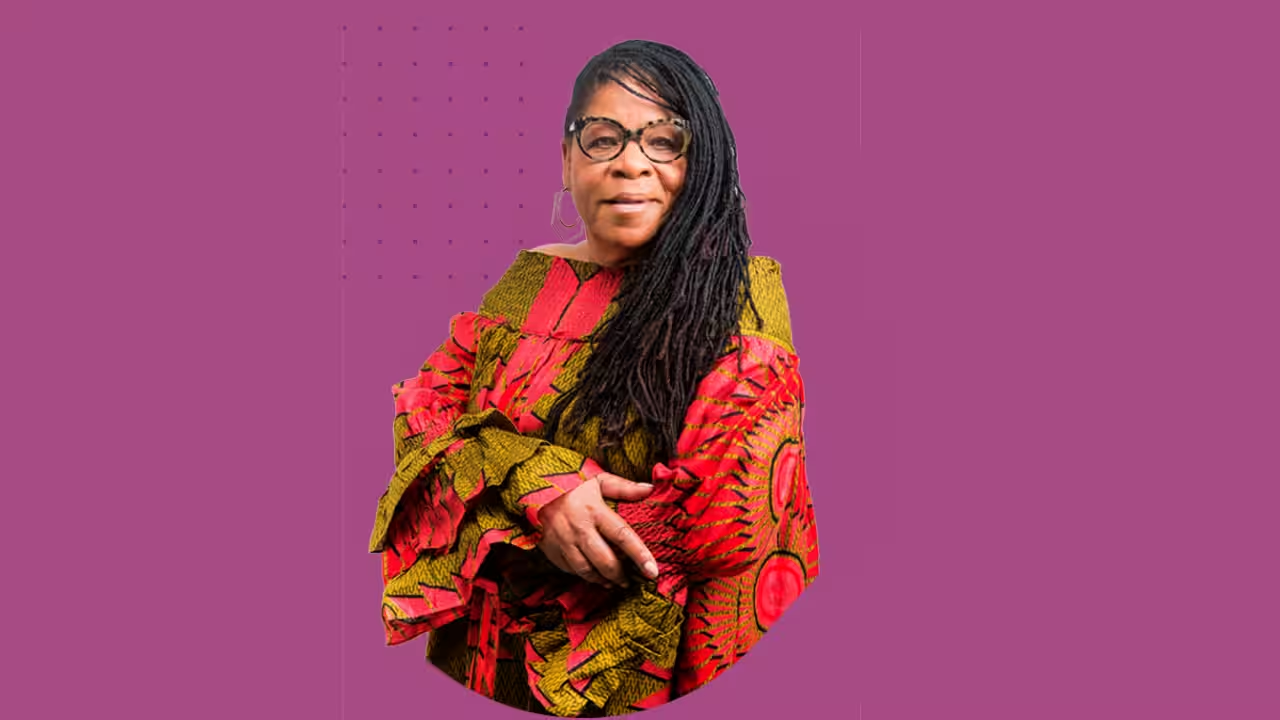
Susan Burton’s California reentry network, A New Way of Life, has housed over 1,800 formerly incarcerated women and reunited more than 400 women with their children. Burton founded it in 1998 after nearly two decades caught in the cycle of mass incarceration. The organisation has since added legal, workforce, education and advocacy teams, and it has provided free legal help to more than 3,400 people with conviction histories. It also builds the leadership skills of formerly incarcerated people and hires them, an approach it describes as empathy from experience, putting lived knowledge of the system at the heart of its work.How a sixth release from prison gave Susan Burton access to recovery services and a new missionA New Way of Life says Burton struggled to rise above a life of poverty, violence and loss. After her sixth release from prison, she was finally able to access recovery services in an affluent area of Los Angeles. There she found opportunities she had never been offered before, and she became determined to bring those same resources to neighbourhoods shaped by poverty and over-incarceration.Meeting women at the bus station and offering a bed turned one house into a community of recoveryBurton told the Ford Foundation that she started the project in 1998 to help other women break the cycle of incarceration. She would go to the bus station where women were leaving prison, meet them there and offer a bed in her own house. The organisation began as a single reentry home in South Los Angeles. More women kept arriving, many of them recovering from substance misuse, the effects of incarceration or childhood trauma, and together they formed a community that supported its members. Burton said it felt like magic, yet it was simply what every household should offer, support, welcome, love and appreciation.What women face on release with $200 and nowhere to live, and how Burton’s model changes outcomesBurton told the Ford Foundation that locking up a woman costs $75,000 a year, yet she is then sent back to her community with $200, no identification, no Social Security card and nowhere to live. In her words, women in that position are excluded and discriminated against, but “we are not throwaway people”. She said women’s incarceration in the United States has risen by more than 700 per cent since 1980, with a reoffending rate above 70 per cent. Her organisation’s rate is around one per cent, she added, at less than a third of the cost of prison. For that money, it helps women get their children back, return to school or higher education, find work and open a savings account. Her stated hope is a national network of safe homes for women returning to their communities.How a part-time bookkeeper and a single mother grew into the leaders of a holistic reentry programmeA New Way of Life says Michael Towler was struggling to find meaningful work after the 2008 financial crash when he was referred to Burton. He began as a part-time bookkeeper, moved up to full-time accountant, became co-director in 2018 and chief executive in 2026. Pamela Marshall was a single mother when a transitional welfare-to-work programme connected her with Burton. She was rehired as an administrative assistant afterwards, then worked as a family reunification case manager and office manager before becoming deputy director in 2026.You use AI every day. Now get your AI Quotient. Take the AIQ test.
Topics in this story
Gathered from external sources. Rights to this text belong to whoever originally published it.