Acne is most common in teen girls and boys — here’s how dermatologists recommend treating breakouts
Dermatologists share the best acne treatments for teens, including cleansers, spot treatments and over-the-counter products for clearer skin.
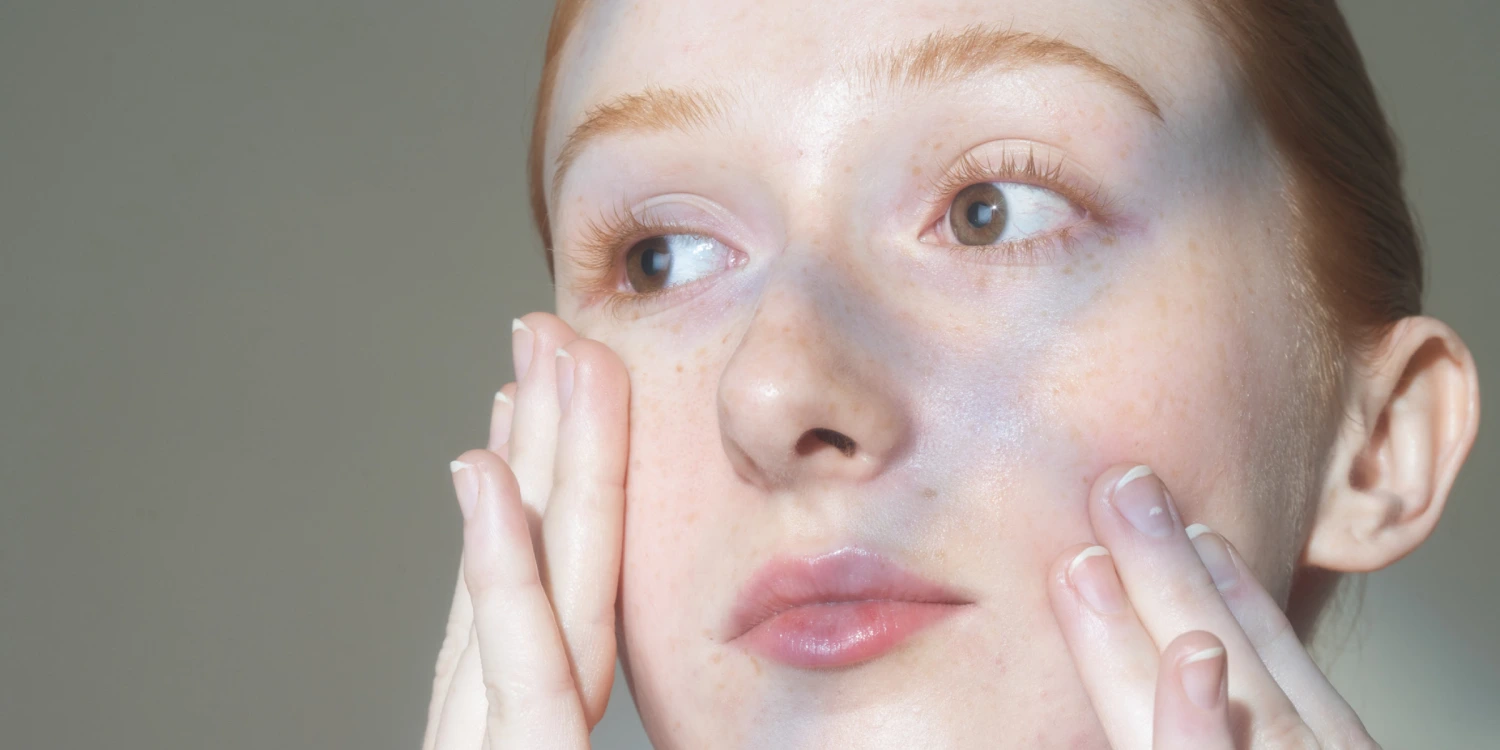
Acne affects an estimated 80 percent of people between ages 11 and 30 at some point in their lives, according to The National Institutes for Health. It’s most common in girls from the ages of 14 to 17, and affects boys a bit later (ages 16 to 19 years old). Acne can be one of the more anxiety-inducing parts of being a teenager, but most cases are entirely curable, says Dr. Mona Gohara, a dermatologist at Dermatology Physicians of Connecticut. I spoke to dermatologists about the best ways to treat teen breakouts and compiled a list of products that align with their guidance, including options we've used. Want more from NBC Selected? Sign up for our newsletter, The Selection, and shop smarter. Best treatments for teen acne Below, I gathered expert-recommended face washes, spot treatments, retinoids, pimple patches and more that can help improve teen acne. All of the following acne products are noncomedogenic and include gentle or acne-fighting ingredients like salicylic acid, benzoyl peroxide and adapalene. Best treatments for teen acne Best overall Differin Gel is an NBC Selected Wellness Award winner and staff-favorite. NBC Selected reporter Zoe Malin started using Differin gel for her hormonal and cystic acne as a teenager since it is the only OTC retinoid that does not require a prescription. “It helped reduce my acne in a few days when I used it as a spot treatment, which, as a high schooler, was perfect because it made me less insecure about my skin,” she says. This treatment has 0.1% adapalene, which regulates cell turnover along the pores to reduce clogging, experts say. “If there’s one thing to pick to do for your acne, start using Differin gel at bedtime,” says Dr. Samer Jaber, a board-certified dermatologist and founder of Washington Square Dermatology in New York City. Wash with a gentle cleanser, dry your skin fully and apply a pea size of Differin onto the entire face, according to the brand. Avoid using Differin Gel, as well as any other retinoid, as a spot treatment. “That would be way too irritating — it meant to be used all over [the face],” says Gohara. Best spot treatment This spot treatment is a favorite of both Gohara and Jaber, and can reduce the size and redness of acne in just two hours, according to the brand. It contains 10% benzoyl peroxide, which inhibits the growth of the bacteria that causes acne, experts told us. Best body wash This Panoxyl foaming wash has 10% benzoyl peroxide, the highest concentration available without a prescription. This was also one of Malin’s favorites as a teen: “It helped reduce the frequency of breakouts, but since I have sensitive skin, I used it every other day instead of every day.” It works to clean and unclog pores and contains moisturizing ingredients to help combat dryness, according to the brand. Best face wash “Foam-based cleansers are [best] for those with oily skin,” says Jaber, who recommends this one from CeraVe. The cleanser has 4% benzoyl peroxide to fight acne-causing bacteria, hyaluronic acid to preserve the skin’s natural moisture and niacinamide, which helps to calm irritation, experts say. It’s fragrance-free, noncomedogenic and can remove any excess oil, dirt or makeup from the skin, according to the brand. Best with salicylic acid This expert-recommended acne face wash from Neutrogena has 2% salicylic acid to fight breakouts and remove dirt, oil, grime, impurities and bacteria from the skin, according to the brand. As a teenager, this was my go-to face wash.If you’re using a salicylic acid cleanser for the first time, use it every other day to start. Best pimple patches Pimple patches, which adhere to the skin and use hydrocolloid gel to absorb excess oil and dirt away from pimples, are great for both reducing the size of breakouts and preventing people from picking at and popping them, says Gohara. This Hero Cosmetics pimple patch won an NBC Selected Wellness Award because it’s translucent and easily blends into the skin, according to our reviewers. You can use these overnight or throughout the day, and the patch will turn white as it draws out the gunk and other sebum or debris from your pimples, according to the brand. Best overnight treatment This quick-drying formula may be a good option if you want to avoid benzoyl peroxide, experts say. It has salicylic acid to fight acne and calamine to calm irritation, according to the brand. Simply dip a cotton swab into the pink sediment at the bottom of the bottle and dab it directly onto your pimple, according to the brand. The lotion dries quickly but leaves a pink, chalky residue, so the brand recommends using this product at night. Best retinoid gel One of our favorite cystic acne treatments, this expert-recommended La Roche-Posay adapalene gel helps unclog pores, increase cell turnover and fight more severe acne. The gel is fragrance- and oil-free, according to the brand. Keep in mind adapalene can be irritating, so make sure to introduce this gel into your routine slowly (about once a week) to avoid redness and inflammation, according to my experts. Best foaming wash Noncomedogenic products like this La Roche-Posay face wash won’t block pores, says Dr. Adnan Mir, a dermatopathologist at Dermpath Diagnostics in Port Chester, New York. This foaming cleanser is recommended by Gohara because it’s both noncomedogenic and contains zinc pidolate, which has astringent, anti-inflammatory properties shown to improve acne. Best for sensitive skin Avéne’s gentle, no-rinse cleanser is formulated with vitamin E and hyaluronic acid, so it’s hydrating enough to keep the skin barrier healthy, yet won’t clog pores, says Gohara. It also works to remove makeup, dirt and oil and adds moisture back into the skin, according to the brand. Best exfoliating pads These First Aid Beauty facial pads are made for sensitive skin because they can gently exfoliate using an alcohol-free (non-drying) formula, according to the brand. Recommended by Gohara, these pads have hyaluronic acid and white tea extract to hydrate and protect your skin. For best results, the brand suggests using twice a day, right after cleansing. How I picked the best teen acne treatments Experts recommend looking for the following ingredients and products, all of which I kept in mind to curate our list: Face cleansers: Look for a face wash labeled noncomedogenic, which means it won’t clog your pores or lead to more breakouts. Your daily face wash should include ingredients like salicylic acid (an exfoliant that removes dead skin and unclogs pores) and benzoyl peroxide (a topical antiseptic that kills acne-causing bacteria), experts say. These ingredients may come with some side effects, including irritated and flaky, dry skin, so you should use them only a couple of times a week to start and gradually increase use as your skin adjusts, says Jaber.Spot treatments: These help target a specific pimple and should be applied directly on the breakout, never to your entire face, experts say. Similar to an acne-fighting cleanser, look for ingredients like benzoyl peroxide or salicylic acid. For more stubborn cystic acne, consider a retinoid like adapalene, which is available over-the-counter and helps unclog pores and regulate cell turnover, according to dermatologists I spoke to.Retinoids: Vitamin A-derived retinoids are a popular acne treatment across ages. Both prescription retinoids (like tretinoin and tazarotene) and OTC options (like adapalene) help unclog pores and get rid of dead skin by increasing cell turnover, experts say. Keep in mind retinoids can be irritating and drying, especially if you have sensitive skin. Introduce them slowly and start by applying them only once a week, says Gohara.Gentle exfoliants: Although teen skin typically self-exfoliates, you can still use non-abrasive chemical exfoliants to get rid of breakouts. These include alpha hydroxy acids (like glycolic and lactic acid) and salicylic acid. Stay away from harsh scrubs, which can worsen acne and inflammation. Like retinoids, exfoliants can be irritating and drying, so start slow when incorporating them into your routine. How do you treat teen acne? According to experts, teen acne and pimples can be tackled in two ways: preemptive face-washing with appropriate cleansers and spot-treating breakouts. By finding the root cause — whether it be hormones, stress or genetics — you can find the best solution. Wash your face with a gentle, soap-free cleanser Remove any makeup before bed and wash your face every day — twice a day if you have oily skin or if your face gets dirty throughout the day, like after a workout, says Jaber. When it comes to face cleansers, look for gentle, noncomedogenic products, which means they won’t block pores, says Mir. “Cleansers with ingredients like glycolic acid, salicylic acid and benzoyl peroxide can be very helpful for those with acne,” says Jaber. “But be careful as they can be irritating and drying.” Spot treat pimples All three dermatologists I spoke to recommend spot treating pimples from the second they start to develop until they’re just about gone. Use a product that contains retinoid (a form of vitamin A that helps unclog pores), benzoyl peroxide (a topical antiseptic) or salicylic acid (an exfoliant that removes dead skin and unclogs pores). Meet our dermatology experts At NBC Selected, we work with experts who have specialized knowledge and authority based on relevant training and/or experience. We also take steps to ensure all expert advice and recommendations are made independently and without undisclosed financial conflicts of interest. Dr. Adnan Mir is the former committee chair for the Society for Pediatric Dermatology. He is a dermatopathologist at Dermpath Diagnostics in Port Chester, New York.Dr. Mona Gohara is a board-certified dermatologist at Dermatology Physicians of Connecticut.Dr. Samer Jaber is a board-certified dermatologist and the founder of Washington Square Dermatology in New York City. Why trust NBC Selected? I am an updates editor at NBC Selected who has covered a variety of skin care topics, including products for rosacea, keratosis pilaris and cystic acne treatments. For this article, I spoke to three dermatologists to narrow down the best treatments for teen acne, and highlighted their recommendations for the best products to consider. Catch up on NBC Selected’s in-depth coverage of tech and tools, wellness and more, and follow us on Facebook, Instagram, X and TikTok to stay up to date.
Topics in this story
Gathered from external sources. Rights to this text belong to whoever originally published it.