Studland seahorse survey success but storms threaten habitat
With increasing winter storms predicted vital habitat for seahorses could be under threat
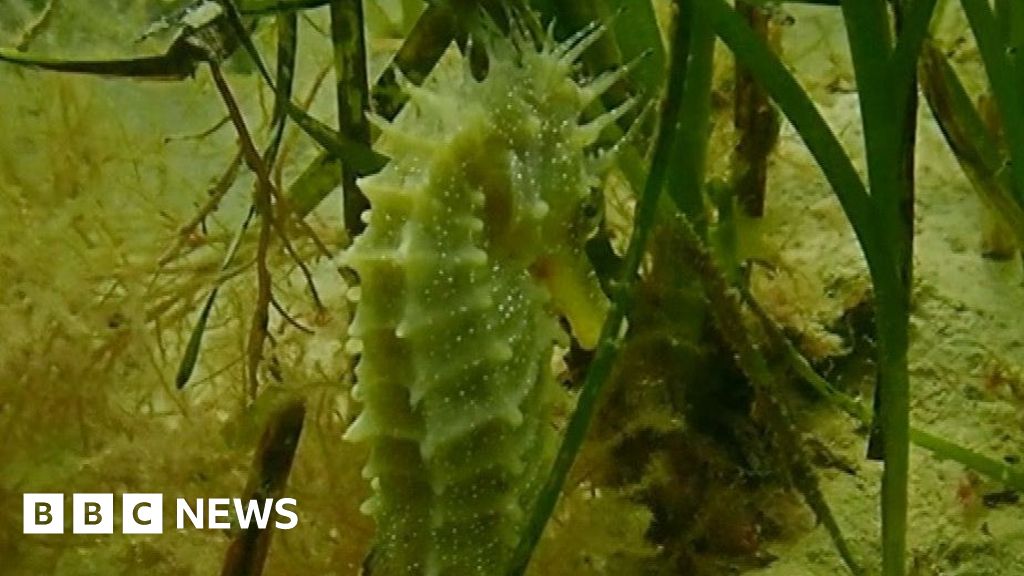
The increasing chances of more severe storms could put the South's seagrass meadows at risk.
Work to recover the precious habitat at sites such as Studland Bay in Dorset has seen encouraging signs of species, including seahorses, returning.
But potential damage to the seagrass due to shifting weather patterns could put that recovery under threat.
While the unique marine flowering plant can help reduce the erosion of the seabed in shallow water it is vulnerable to stormy weather.
For the team of volunteers who survey Studland Bay it has been a busy summer.
Last year saw the highest recorded number of seahorse sightings since the pandemic when a fall in the number of boats visiting the Dorset beauty spot allowed recovery.
Hoping for the upward trend to continue divers have been in the water every two weeks.
"Without a doubt every dive we're seeing seahorses" says founder of The Seahorse Trust, Neil Garrick-Maidment.
"At one stage we went through two and a half years without a single sea horse sighting here."
"It's difficult to know long term what the trend of numbers is. The other fish species like the bass and stuff are breeding quite well here so – yeah – fingers crossed – we're being really optimistic about what's going on."
That optimism is built on the formation of the Studland Bay Marine Partnership and the introduction of the eco moorings initiative which prevents chains scraping the seabed and seagrass when boats visit the bay.
Currently there are 87 moorings in the bay with plans to install more in the future.
The ongoing survey work is done under strict conditions. It's illegal to disturb or harm seahorses.
Anyone intending to film, photograph or survey seahorses has to be licensed.
For volunteers like Kat Lewis encounters with the creature are still magical.
"We found two baby ones. So yeah – good – two baby ones and three cuttlefish. Loads and loads of little dragonets and wrasse and all the usual suspects."
"Why would you not want to see seahorses? They're kind of like unicorns of the sea."
Former BBC journalist Angus Crawford joined the volunteers after being inspired by the trust's work.
"I found three seahorses. One tiny – just a small fry from this year. Then a bigger female. And then the most beautiful, enormous seahorse. The biggest I've ever seen here."
But while the numbers of encounters seems promising there is a note of caution.
Studland's seagrass is found in shallow water leaving it vulnerable to winter storms.
Climate experts are predicting the UK could see winter storms increasing in number and intensity.
"This bay is wonderful" explains Ken Collins, senior research fellow, from the University of Southampton
"It's protected from prevailing south westerly winds which is why the seagrass grows here, the boaters like it – you know – they get shelter."
"But in some years – we had a lot of easterly winds which blow straight into the bay. The can actually tear up the seagrass. And so unpredictable weather – storminess – is a concern."
While seahorses retreat to deep waters in the winter healthy seagrass meadows are vital to their breeding cycle.
For now though at Studland the signs are encouraging and for the volunteers every encounter is still magical.
Rare seahorse numbers reach post-pandemic high
Island nature reserve's seagrass to be mapped
Legal warning after rise in seahorse disturbances
Post-lockdown crowds pose threat to seahorses
Daughter helps dad discover seahorses' secret lives
El Niño set to be 'strongest in living memory', says Met Office
Topics in this story
Gathered from external sources. Rights to this text belong to whoever originally published it.