In 2004, North Dakota farmers Dick and Linda Grotberg left hogs for cattle almost by accident; later, they found their soil could get the nutrients it needed without chemical fertiliser
Discover how North Dakota farmers Dick and Linda Grotberg transitioned from hogs to Scottish Highland cattle and embraced organic farming methods that rejuvenate soil health without chemical fertilizers.
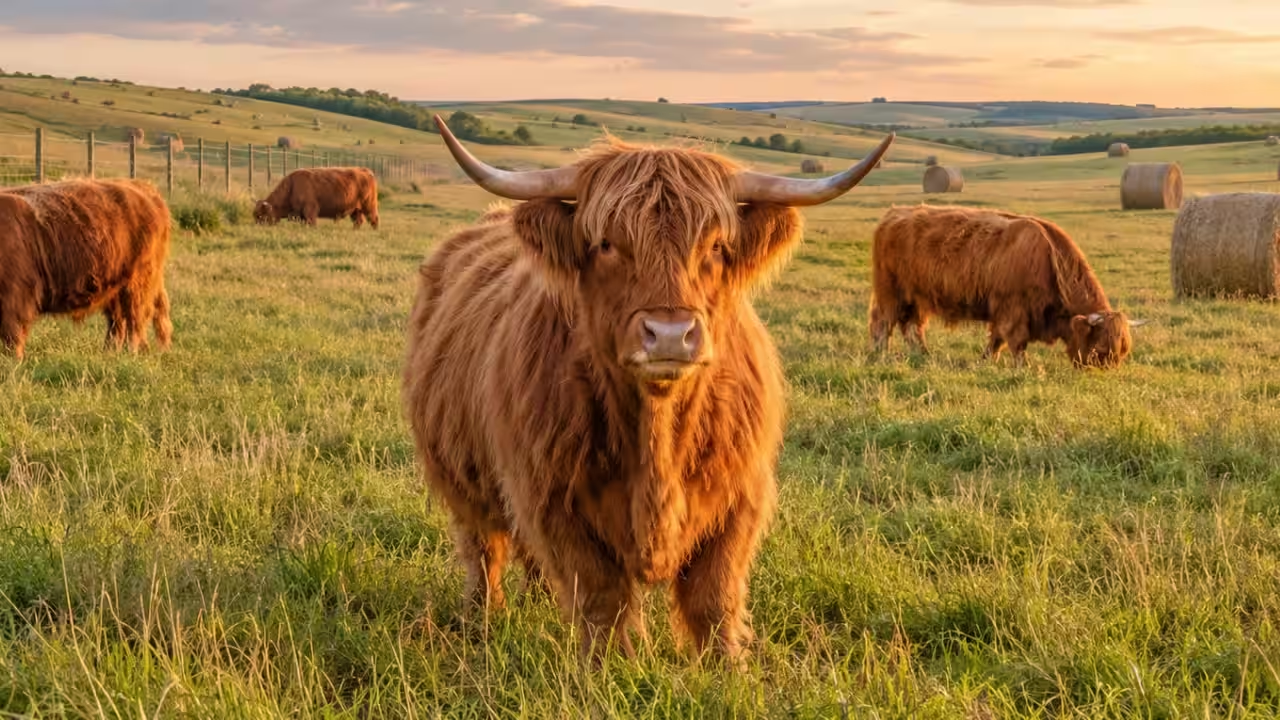
Some of life's biggest turns often begin with a change that seems so small at the moment. For Dick and Linda Grotberg, it came in 2004 when their hog operation in North Dakota ended, and they began buying Scottish Highland cattle. In a final report filed with the Sustainable Agriculture Research and Education (SARE) program, the farm’s organisers described how the group soon began asking tough questions about health, food and soil. For the next few years, they completely rebuilt their farming practices.From hogs to Highland CattleDick has lived on Bethany Prairie Farm near Wimbledon ever since the 1940s. From the 1950s, it was farmed in the conventional way. After the hogs were gone, the team researched extensively on soil, nutrition and health. As Linda explained in the report, the couple started by building an upscale market for their Highland beef. They wanted to ensure the cattle had access to the best possible nutrition. Eventually, Linda wrote, they decided to use livestock to restore the soil. The project received $18,000 from SARE in 2006.A hard choice in later lifeIn 2007, the Grotbergs began to convert 440 acres to organic farming. The land had to go through a three-year transition period before its produce could be sold as organic. They first sold 160 acres to get rid of old debt. Yet another setback came from their only farming son, who had rented and farmed the land for the past 15 years. He said he would stop renting if organic standards were applied. He was their only son who farmed. The couple came out of retirement to farm the land themselves. Dick even asked whether a seventy-year-old could become a beginning farmer.Letting the cattle feed the soilThe Highland cattle became central to the plan. Fencing was done around the fields in such a way that it followed the contours of the land. Each field covered about 25 to 44 acres, and the farm followed a nine-year rotation that included grasses and small grain crops. According to the report, the crops were grown without any chemical fertilisers, pesticides, herbicides or fungicides, with varying success. In the winter, the hay bales were put in the fields so that the animals could spread their own manure and urine. Dick said that feedlot manure was no longer needed. Dung beetles worked on the cow pats as well, which was a good sign for the soil.What the research saysA North Dakota State University (NDSU) Extension study tracked bale grazing on four ranches in the state for two years. Those were not Grotbergs’ fields. The authors, Sheldon Gerhardt and colleagues, found that where bales were grazed, soil nutrient measures were enhanced compared to control sites. Grass yields varied, but the quality of forage improved. That supports the theory behind Grotbergs’ method, but it doesn't prove that the results will be the same on every farm.Setbacks and open questionsThe road wasn't easy. In some fields, cheatgrass took hold. One of the local applicators who sprayed the neighbouring fields with herbicide for weeds ended up damaging some of the oats and pasture. The sunflower crop was also badly damaged by blackbirds, and the yields were poor. A team from USDA and NDSU also established a soil baseline with plans to retest at three, six, and nine years. The report doesn't include those later results. So the long-term soil story is not shown there, although early signs were hopeful.Sharing what they learnedThe Grotbergs didn't do the entire thing by themselves. They asked a lot of questions and learned from organic farmers who shared advice freely, including mentor David Podoll. Then the project reached out to the wider community. The farm held a summer symposium attended by 140 to 150 people. They also gave tours to local newspaper reporters and did outreach for 4-H clubs and youth camps. Their story shows that big changes often start small, and sharing knowledge can help others try something new.You use AI every day. Now get your AI Quotient. Take the AIQ test.
Topics in this story
Gathered from external sources. Rights to this text belong to whoever originally published it.