Iran warns of ‘further defeat’ after Trump ‘economic D-Day’ announcement
Iran’s Foreign Minister Seyed Abbas Araghchi on Thursday said President Trump’s pledged “economic D-Day” attack on Tehran will only result in “further defeat” for the United States as the national debt swells. “The so-called “Economic D-Day” is a diversion from America’s own crisis: unprecedented debt & surging interest costs,” Araghchi wrote on the social platform…
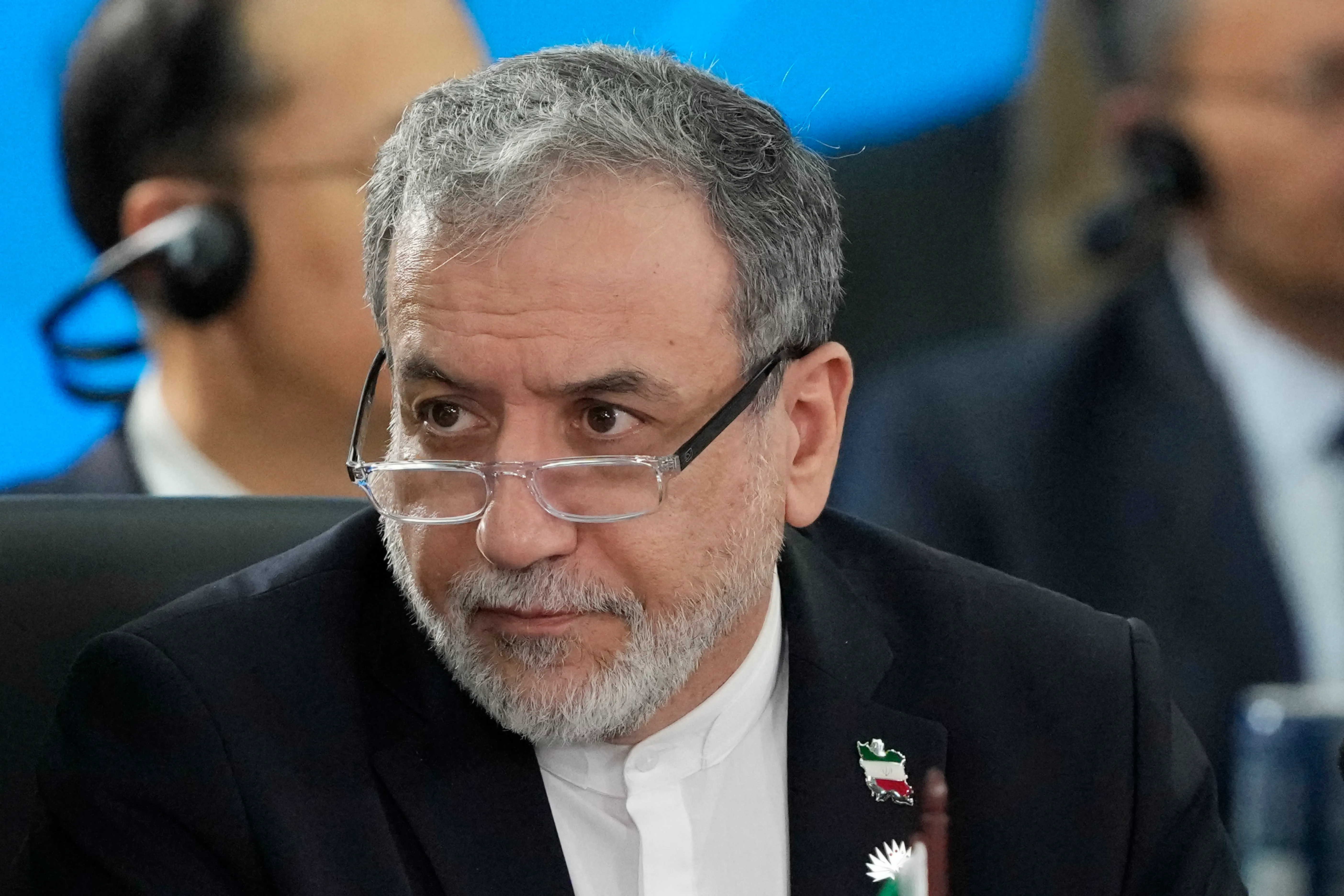
Iran’s Foreign Minister Seyed Abbas Araghchi on Thursday said President Trump’s pledged “economic D-Day” attack on Tehran will only result in “further defeat” for the United States as the national debt swells .
“The so-called “Economic D-Day” is a diversion from America’s own crisis: unprecedented debt & surging interest costs,” Araghchi wrote on the social platform X .
“Doubling down on failed policies will only bring further defeat—and enmity of Iranians,” he added.
His comments follow Trump’s Wednesday push to exert power over Iran’s economy through isolation.
“Oil smuggling, swap lines, cash transfers, exchange houses, ship registries, front companies — It all needs to stop NOW,” Trump wrote on Truth Social .
“You know who you are. This will be an ECONOMIC D-DAY, and we need all of our Allies to stand with the United States of America to isolate, and defeat, the Iran threat,” he added.
The president said any country that tries to thwart isolation measures will face “TREMENDOUS Economic Consequences.”
Over the past six months, the Trump administration has moved to block Iranian vessels from transiting the Strait of Hormuz and close off Tehran to profitable gains via sanctions.
However, efforts to combat monetary growth overseas come as the U.S. debt crossed $40 trillion on Tuesday.
Direct military spending on the conflict, paired with rising inflation, higher oil prices, and surging interest rates, has accelerated federal borrowing.
Higher bond yields and increased borrowing costs stemming from the war affect federal, business, and household loans alike.
Americans say the impact of the Iran war at home is not worth the cost , according to a Marquette Law School Supreme Court poll released earlier this month.
Seventy-five percent of poll participants described the fighting in the Middle East as “not worth the cost,” while 25 percent said it has been worth the cost, per the survey.
On Monday, special envoy Jared Kushner said talks towards ending the war in Iran have been “robust,” while the president has contended negotiations leading toward a ceasefire are underway.
Trump said there’s hope to resume talks next month.
Topics in this story
Gathered from external sources. Rights to this text belong to whoever originally published it.