Leafy spurge may have arrived in North America through a Massachusetts ballast dump in 1827; contaminated crop seeds later helped the invasive plant spread across the US and Canada
A plant native to Eurasia was recorded in North America in 1827, likely introduced through a ballast dump in Massachusetts.
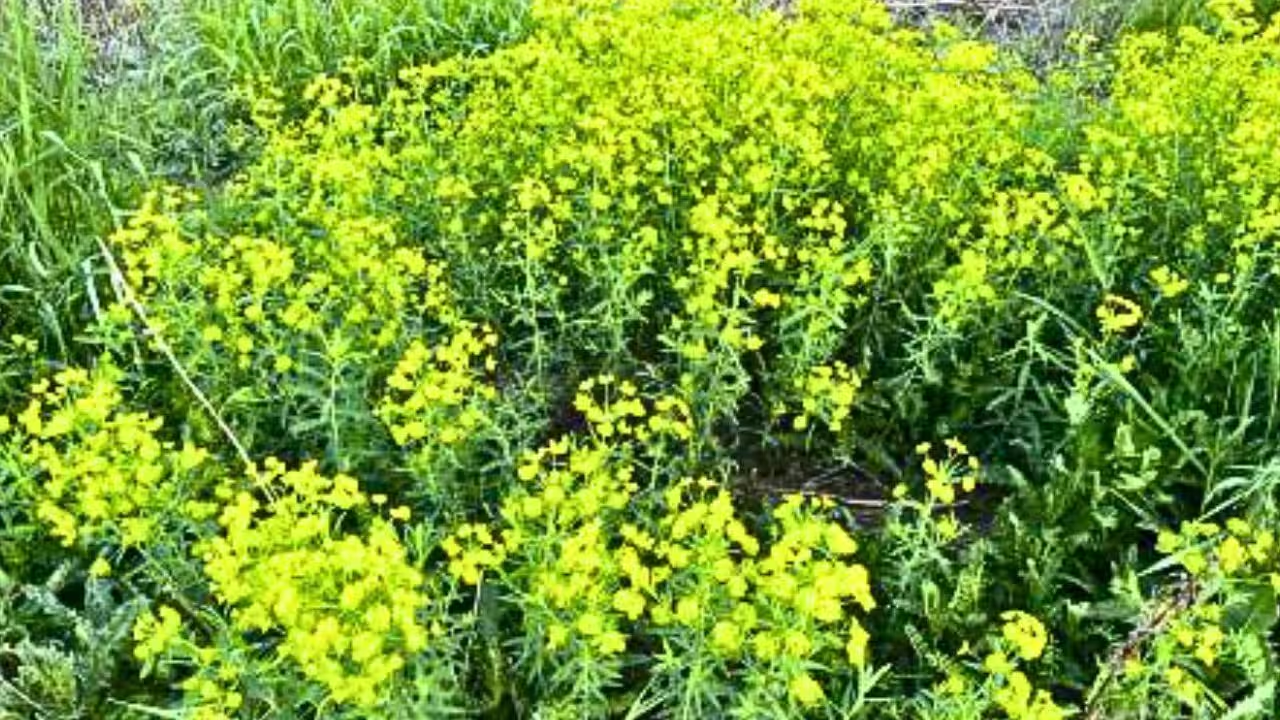
A plant native to Eurasia was recorded in North America in 1827, likely introduced through a ballast dump in Massachusetts. Known as leafy spurge (Euphorbia esula), the species later spread across the northern United States and southern Canada.According to the United States Department of Agriculture (USDA), several introductions may have occurred, while contaminated crop seeds helped the plant establish in new areas. By the early 1900s, leafy spurge was widespread across the region. It is an invasive, non-native plant and is particularly common in parts of the Great Plains and the western United States. Its extensive root system and ability to reproduce from both seeds and roots help it persist and spread in a range of habitats over time.How leafy spurge first arrived in North AmericaThe first US collection of leafy spurge was made in 1827 in Newbury, Massachusetts. The plant was thought to have originated from a ballast dump, although the review says there were likely multiple introductions into North America. A review cited by the Forest Service suggests at least four possible early introductions.The first Canadian collection was recorded in 1899 in Huron County, Ontario. The species was brought by Russian immigrants in contaminated spelt from Germany. Early spread was also linked to the planting and cultivation of contaminated smooth brome and cereal seed originating both inside and outside North America. These records point to several possible routes by which the plant became established across the continent over time.Leafy spurge became widespread across North America by the early 1900sBy the early 1900s, leafy spurge was widespread in the northern United States and southern Canada. It had been recorded in Ontario by 1889 and Iowa by 1899. Around 1900, it was described as naturalised in parts of the northeastern United States, while reports also placed it in Oregon and Washington.It was recorded in Idaho in the early 1900s. The Forest Service identifies Oregon, Idaho, Montana, Wyoming, Colorado, North Dakota, South Dakota, Nebraska, Minnesota, and Wisconsin among the states where leafy spurge is most widespread and invasive. In western Canada, it occurs as far north as Yukon. It is less common at the edges of its overall North American range and is rare along the Atlantic Coast.How did leafy spurge spread through roots and seedsLeafy spurge is an erect perennial plant that usually grows between 20 and 90 centimetres tall. Its narrow leaves grow along the stems, while leaves near the flower clusters are heart-shaped. When the stems are damaged, they release a milky fluid. The plant produces small seed capsules that split explosively when mature, ejecting seeds.It also regenerates from its root crown, root buds, and root fragments. Its persistent root system can be deep and extensive, allowing shoots to emerge even after above-ground growth has been damaged. The species grows in roadsides, old fields, pastures, meadows, areas beside rivers, and open woodlands. It can establish in disturbed sites and persist in many habitats.How did leafy spurge affect native plants and grazing animalsThe Forest Service describes leafy spurge as a highly invasive plant that can establish in stable, undisturbed native plant communities. Its rapid vegetative spread and dense stands can replace native or rare plants. Thick layers of plant litter may prevent light-demanding species from establishing, while other research discussed in the review suggests that the plant may also affect neighbouring vegetation through chemicals and changes to soil conditions.Leafy spurge is avoided by cattle and horses when other forage is available, and its milky sap can cause severe diarrhoea in both animals. Control is difficult because roots can survive after above-ground growth is removed. Sheep, goats and introduced insects, including flea beetles, have been used to reduce its abundance.You use AI every day. Now get your AI Quotient. Take the AIQ test.
Topics in this story
Gathered from external sources. Rights to this text belong to whoever originally published it.