Ousted PM Sheikh Hasina seeks passport in sign of Bangladesh return plan
Hasina, who has been living in India for two years, has promised to return to Bangladesh in December.
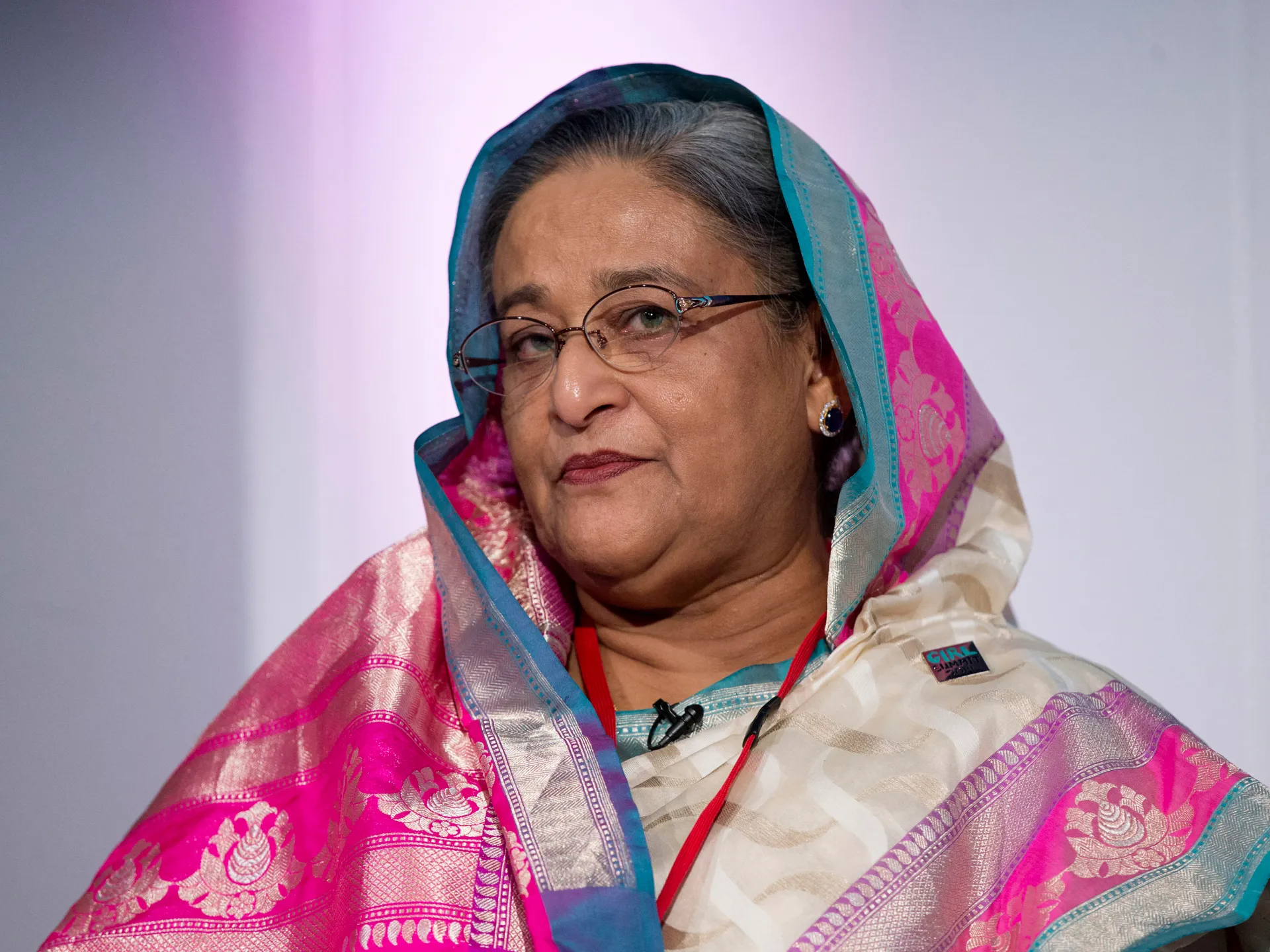
Bangladesh’s ousted Prime Minister Sheikh Hasina has requested a new passport and identity card to allow her to return from self-imposed exile in India.
The request is the clearest sign that Hasina, who has been living in India for two years, plans to make good on her promise that she would return to Bangladesh in December.
Hasina told the Reuters news agency that she intended to surrender before a court in Bangladesh, and her aides said on Monday the date would be announced once various formalities were completed.
Bangladesh’s war crimes court sentenced Hasina to death in absentia last November for ordering a deadly crackdown on student protests that swept the country in 2024 . As many as 1,400 people may have been killed in the violence, according to United Nations estimates.
Hasina’s letter to the Bangladeshi government, cited by Reuters, asked that her request be processed “expeditiously” on the basis of her Bangladeshi nationality.
Home Minister Salahuddin Ahmed said the foreign and law ministries were looking into the matter, including whether there was any legal basis for the applications and whether Hasina was legally entitled to apply for the documents, the Dhaka-based English-language New Age daily reported.
Last week, Junior Minister for Foreign Affairs Humaiun Kobir said Bangladesh wants Hasina returned under an extradition treaty with India. New Delhi has declined to hand her over.
“We want Hasina to be handed over. She will be handed over. She is a terrorist. She is a fugitive. There is an active extradition treaty between Bangladesh and India,” he told reporters in Dhaka on Thursday.
Hasina is the daughter of Bangladesh’s founder and first president, Sheikh Mujibur Rahman. She served as prime minister from 1996 to 2001, and again from 2009 to 2024.
Hasina’s potential return raises the prospect of renewed legal and political issues in the country.
She still enjoys support among parts of the population, and her return could affect the Bangladeshi government’s efforts to stabilise the country and its economy after two years of disruption.
Hasina was ousted by a popular, student-led mass protest movement that broke out after the Supreme Court restored a job quota system that had prioritised the descendants of the country’s liberation activists.
Topics in this story
Gathered from external sources. Rights to this text belong to whoever originally published it.