Iran’s water crisis requires more than just regime change
Iran’s water crisis is fundamentally a governance crisis.
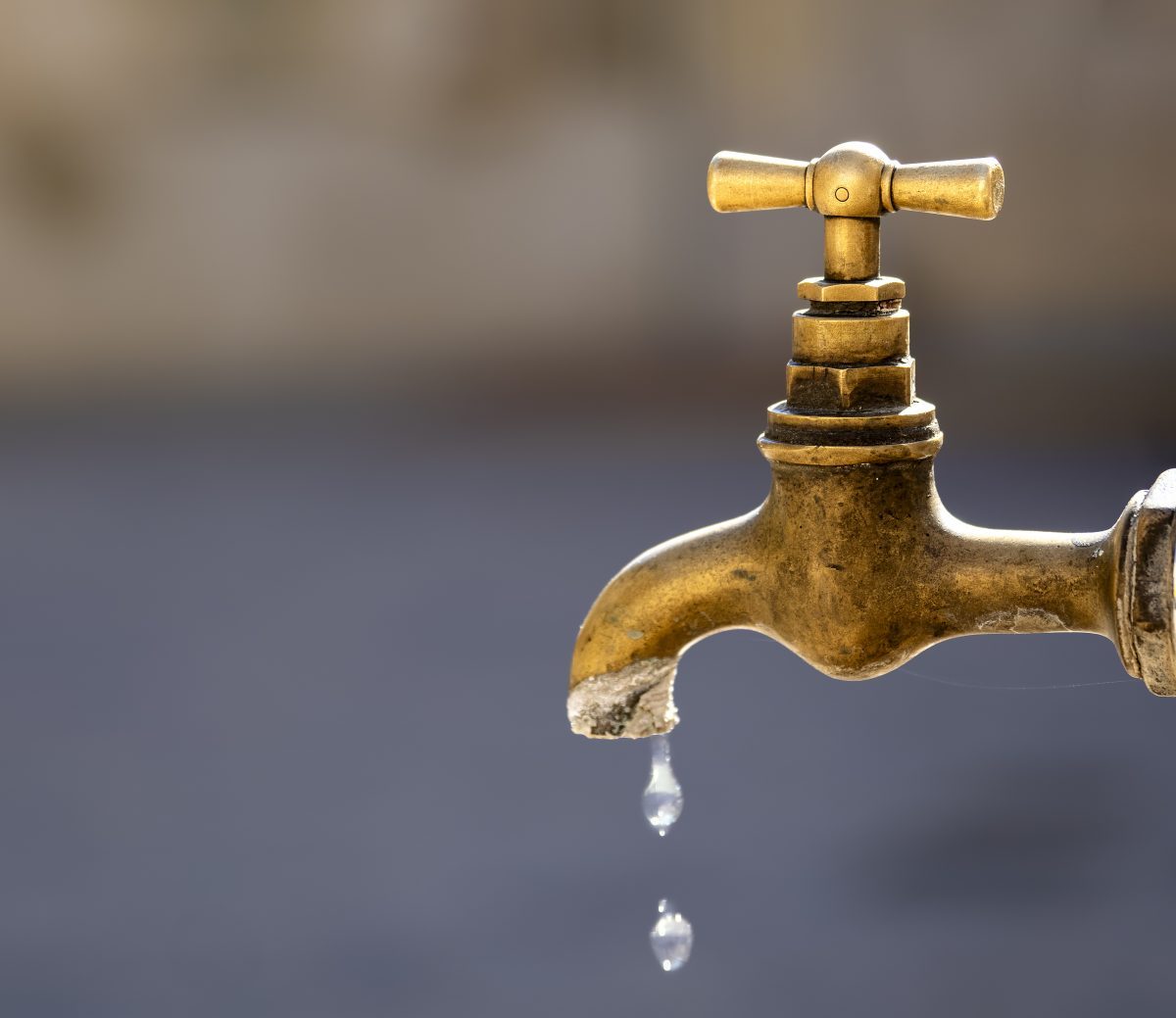
Most discussions about Iran focus on its nuclear program, regional conflicts, ballistic missiles, domestic unrest, and the future of the Islamic Republic. Yet one of the greatest threats to Iran’s future receives far less attention: the collapse of the country’s water resources and natural systems.
For decades, Iran has consumed far more water than its natural and engineered systems can sustainably provide . Major lakes and wetlands have shrunk dramatically , groundwater reserves have been severely depleted. More than 500 of Iran’s plains are experiencing critical land subsidence. In some regions, the ground is sinking by tens of centimeters per year. Rural communities have been forced to abandon their livelihoods, while growing environmental pressures increasingly threaten economic stability, social cohesion and national security. Climate change has intensified these pressures, but Iran’s water crisis is fundamentally a governance crisis.
For years, the Islamic Republic pursued policies that prioritized ideological and political objectives over long-term sustainability . Agricultural self-sufficiency was promoted despite severe water limitations. Water allocation decisions often ignored hydrological realities. Weak institutions, limited transparency, conflicts of interest, and the absence of meaningful public participation further undermined sustainable resource management. The result is a country facing chronic water insecurity .
Yet even if political change occurs tomorrow, Iran’s water crisis will not disappear. This is perhaps the most important reality that both Iranians and Western policymakers must understand. Regime change is necessary to address the institutional failures that created the crisis, but it is not sufficient to resolve it. Depleted aquifers will remain depleted. Subsiding plains will not recover overnight.
Unsustainable water-intensive agricultural systems will continue to dominate large parts of the economy. The consequences of decades of destructive policies and governance practices will persist long after any political transition.
Addressing these challenges will require difficult reforms. Groundwater extraction must be curbed, agricultural water use reduced, cropping patterns adjusted and long-standing subsidies and incentives reconsidered. These are not simply technical decisions. They are social and political decisions affecting millions of people.
Farmers and rural communities will bear a significant share of the burden. Many have already experienced years of economic hardship and governmental neglect. Unsurprisingly, water-related grievances have contributed to repeated protests across different parts of the country . Under such conditions, reforms imposed solely through regulation are unlikely to succeed. Difficult reforms require more than policy; they require public trust and confidence that short-term sacrifices are part of a credible plan for a better future.
The question facing Iran is no longer whether change will come. The question is whether that change will be organized and constructive, or chaotic and destabilizing.
History offers important lessons. Environmental stress alone does not cause state collapse or civil conflict. However, when severe environmental pressures interact with weak governance, economic hardship, political repression and instability, they can intensify existing tensions. The experience of Syria illustrates how prolonged drought and agricultural disruption contributed to social stress and displacement before the civil war.
Iran’s circumstances are different, but the lesson remains relevant: Environmental crises become far more dangerous when they unfold during periods of institutional weakness and political uncertainty.
For this reason, discussions about Iran’s future cannot focus exclusively on changing the current regime. They must also address how a transition would be managed, how public trust would be maintained, and how society could be mobilized behind necessary reforms.
This is where leadership becomes critical. A successful transition requires more than political slogans. It requires a figure capable of articulating a credible vision, communicating difficult realities honestly, building broad coalitions, and encouraging cooperation across society. It requires someone who can help maintain public confidence during a period of inevitable uncertainty.
From this perspective, Reza Pahlavi, Iran’s Crown Prince, appears uniquely positioned among current opposition figures. He remains one of the most prominent and widely recognized opposition figures among Iranians and has increasingly presented himself not as a future ruler, but as a facilitator of a democratic transition. In a period when difficult reforms will require broad public cooperation, public recognition and trust could become important assets for building consensus and sustaining long-term change.
More importantly, efforts associated with him have moved beyond rhetoric and toward practical preparation. Initiatives such as the Iran Prosperity Project have brought together specialists from a wide range of fields, including water resources, to develop practical roadmaps for Iran’s future. The importance of such efforts lies not only in the policy recommendations they produce, but also in their attempt to assemble the expertise and networks required for a successful transition.
Addressing Iran’s water crisis will also require access to investment, advanced technologies, and international expertise. Efficient irrigation systems, wastewater reuse, groundwater management, desalination, environmental restoration, and modern infrastructure all require resources that cannot be mobilized in isolation. Rebuilding international trust and attracting long-term cooperation will therefore be essential components of recovery.
If the international community seeks a stable and democratic future for Iran, it must recognize that sustainable recovery requires more than political change alone. Replacing individual officials from within the current system without addressing the institutions, incentives, and entrenched networks that helped produce the crisis would do little to alter its trajectory.
The challenge facing Iran is not merely one of personnel, but of governance. Sustainable water recovery requires institutional reform, public trust, and credible leadership capable of guiding society through a difficult transition. Political change is necessary, but it is not sufficient.
The future of Iran’s water resources, and perhaps the stability of the country itself, will depend on whether that transition is guided by a credible vision, supported by capable institutions, and embraced by a society willing to undertake the difficult reforms that long-term recovery demands.
Mohammad Nayeb Yazdi, PhD, PMP , is a water resources engineer and project manager with a local government agency in Virginia. His views do not necessarily reflect those of any agency or organization.
Topics in this story
Gathered from external sources. Rights to this text belong to whoever originally published it.