New York turned part of Broadway into Times Square pedestrian plazas in 2009; months later, pedestrian injuries were down 35% and motorist injuries 63%
In 2009, New York transformed Times Square by closing part of Broadway to vehicles, resulting in a significant decrease in pedestrian and motorist injuries. Discover the long-term effects and benefits of this urban redesign.
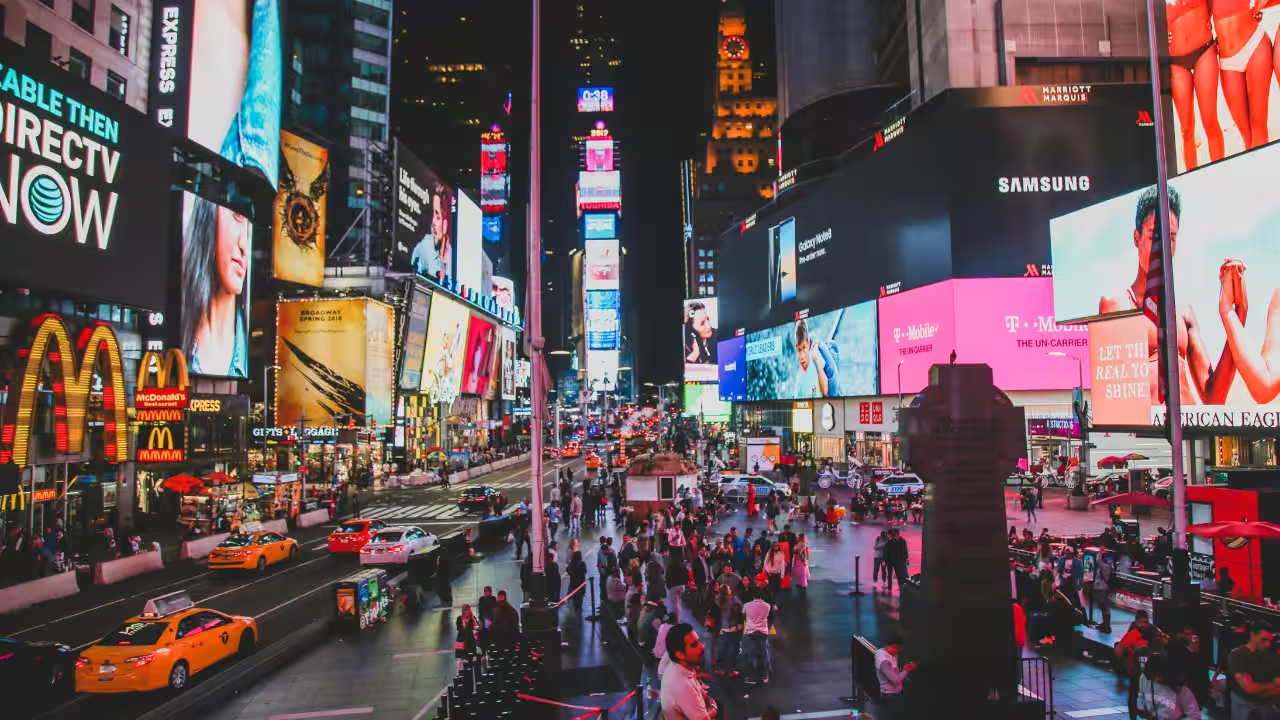
Anyone who has ever stood in Times Square probably knows the feeling. Crowds, noise, taxis, and a phone in every hand. In 2009, New York closed part of Broadway to cars and gave the space to people. The New York City Department of Transportation’s ‘Green Light for Midtown Evaluation Report,’ published in January 2010, said the number of pedestrian injuries in the project area dropped 35%. Driver and passenger injuries went down by 63%.Why Broadway needed a rethink Broadway runs through the street grid of Manhattan at an angle. Where it meets avenues, it creates busy junctions with multiple legs, and the crosswalks were long and confusing. According to the report, pedestrian accidents in Times Square were 137% more common than on other avenues in the neighbourhood. Times Square and Herald Square had ten times as many pedestrians as vehicles, thus making it easy for people to spill into the streets. The city announced its pilot project in February 2009. Broadway was closed to traffic on 24 May, and the construction was completed by the end of August. Crosswalks were shortened, traffic lanes became clearer, and plazas with seating took over road space. The first version used temporary materials and furnishings.What the numbers showedThe city used early police data to measure the results by comparing June through November 2009 with the same months in the three years before. Pedestrian injuries decreased by 35% in the project area. Herald Square saw a drop of 53%. Times Square was down by 40%. Driver and passenger injuries fell by 63%. However, not all groups saw such improvement. Cyclist injuries increased slightly, from an average of 11 injuries over those same June-November periods in the three years to 12 in 2009. The report also counted people walking in the street on one block of Seventh Avenue, between 45th and 46th streets. That figure dropped by 80%, from 5,025 to 1,022. The city also kept tabs on traffic. Northbound trips in West Midtown were 17% faster in autumn 2009 than in autumn 2008, according to taxi GPS data, while southbound trips were 2% slower. Field surveys showed longer cross-town travel times, but results varied a lot from street to street. There was little change in the total volume of traffic.Why people stayedFoot traffic in Times Square rose by 11%. The report says activities such as taking photos, checking maps and looking at billboards moved from the sidewalk into the new plazas. That left more room for people just trying to get places. The report cited a November 2009 survey by The Times Square Alliance that found 74% of New York City residents said the area had improved dramatically over the previous year. The transport department reviewed the safety, mobility and satisfaction results and recommended making the changes permanent. In February 2010, the mayor announced that the plazas would stay.How the idea spreadTimes Square was only the beginning. Hanife Vardi Topal and Karen A. Franck’s peer-reviewed study in The Journal of Public Space points out that Times Square Plaza was the first project of the city’s plaza programme, which the authors describe as the first of its kind in the US. The city's transportation department dates the programme's start to 2008, and it expanded citywide in 2009. By 2022, the transport department had listed 73 plazas as either completed or in progress. The authors studied five smaller plazas in Brooklyn and Queens, drawing on site observations, surveys, and interviews collected in 2018 and 2019. Four out of five were well-used. Plaza managers also described a shortage of funds for maintenance and events. The 2009 injury figures are early data, and they come from the city's own evaluation of its project. Still, Times Square suggests that giving space back to people can improve both safety and atmosphere.You use AI every day. Now get your AI Quotient. Take the AIQ test.
Topics in this story
- Times Square pedestrian plazas
- Broadway traffic changes
- New York City pedestrian safety
- urban redesign benefits
- Green Light for Midtown Evaluation Report
- New York City Department of Transportation
- Broadway closed to cars
- pedestrian injuries reduction
- safety improvements Times Square
- traffic safety New York
- public space projects
- urban planning initiatives
Gathered from external sources. Rights to this text belong to whoever originally published it.