In 2022, a Texas couple found their vacant rental house stripped of its air conditioner, copper wiring and plumbing; Allstate denied the claim, and a 2025 appeals court upheld the ruling for the insurer
In a landmark case, a Texas couple faced insurance denial from Allstate after their rental property was stripped of valuable components. Learn how the court ruled on the implications of vacancy on insurance claims.
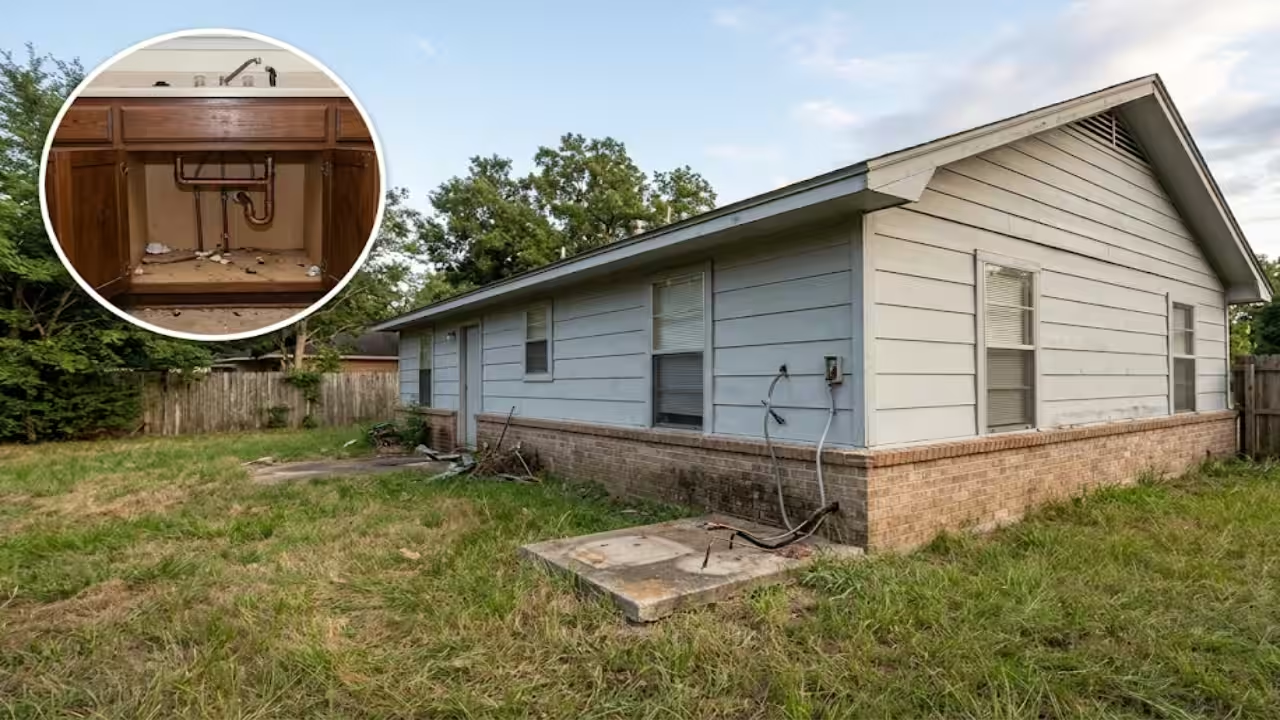
On paper, buying a home to rent out is straightforward: find a tenant, fix up the property and start collecting rent. The insurance policy normally sits in a drawer until something goes wrong. At that point, owners often discover that rental property coverage comes with restrictions on how the building is used. Insuring a home with no occupants differs greatly from insuring one with occupants, and the difference can be costly.That is what one Texas couple found in 2022. In 2021, Bradley and Crystal Childers bought an investment property in Lufkin, insured it with Allstate Indemnity Company and began renovations while looking for a tenant. In March 2022, the house was stripped of its air conditioning equipment, copper wiring and plumbing. The insurer rejected the claim, and in February 2025 the Fifth Circuit, a US federal appeals court, upheld a finding in its favour. The key question was whether the residence had been vacant for more than 60 consecutive days before the theft, a dispute that turned on the meaning of two everyday terms.What the policy coveredThe Childerses held what Allstate called a Landlords Package Policy, and two of its provisions mattered, according to the Fifth Circuit’s opinion. One covered damage to the exterior of a structure caused by a burglar breaking in, but only if the house was complete and had not been vacant or unoccupied for more than 60 consecutive days before the loss. The other covered fire damage caused by vandalism, with the same 60-day condition. Both protections would disappear if a property sat vacant or unoccupied long enough.Bradley’s grandparents drove past on 29 March 2022 and saw that the pad for a new air conditioning unit had been stripped. The couple rushed over and found the house burgled and vandalised. Police lifted a fingerprint, but nobody was ever identified. Crystal later testified that Allstate first told her the policy would pay but a few days later said the claim was refused because it believed the property had been vacant or unoccupied for more than 60 consecutive days. The couple sued in Texas state court, and the insurer moved the case to federal court.How the case came togetherAfter the dispute began, the insurer sent written requests asking the couple to confirm a few basic facts, such as whether they had lived at the house, whether it was inhabited, and whether a tenant had ever stayed there. The Childerses never responded. Under federal court rules, requests left unanswered are treated as admitted, and the judge accepted the statements as true.Later, when the insurer asked for summary judgment, a ruling without a full trial when the key facts are not genuinely in dispute, Crystal filed an affidavit describing the Lufkin house as the couple’s home and saying they lived there. That conflicted with her earlier sworn testimony. In her deposition, she had said the house was bought as a rental, that the couple had lived in Wells, Texas, for six years, and that nobody had lived at the Lufkin property since the purchase. The trial judge struck the affidavit paragraph as a sham, meaning a later statement that contradicts earlier sworn evidence without explanation, and the appeals court said that was within the judge’s discretion.The couple argued that Lufkin was a secondary residence and the policy was ambiguous on the matter. The court was not convinced. It was a landlord's insurance, it said, which presupposes that the owners reside someplace else. Its description of the insured premises specified the building at the stated address rather than the owners’ personal house.Vacant vs. unoccupiedUnder Texas law, the two terms are not the same. A property is vacant when it has no furnishings of any real use, so a house with furniture is not vacant. The Lufkin property still had vanities, dressers and mirrors inside, so the insurer could not win on the vacancy argument alone.But occupancy is about people, not belongings. A house is occupied when people regularly use it as a place to live, and it is unoccupied when they do not. Furniture does not change that. The exclusion applied to properties that were vacant or unoccupied, and Crystal’s own testimony indicated that nobody had lived in the house for at least 60 days before the loss, so one word was sufficient. A federal court cannot redefine a term contrary to what the Texas Supreme Court has previously said.Owners who disagree with an insurer’s assessment have options. The Texas Department of Insurance recommends that policyholders explain to the company why they disagree and supply supporting documents such as a contractor’s estimate. If that does not work, many policies provide an appraisal procedure, and policyholders can also file a complaint with the department, request mediation, or go to court. That advice is meant for homeowners and renters, so landlords should review their own policy’s handling of disputes.The case hinged on facts the couple could not change by the time it reached court. The appeals court did not designate its opinion for publication, which typically means it is not binding precedent. Nevertheless, it shows how Texas courts interpret these terms and how quickly a 60-day gap can decide a claim.You use AI every day. Now get your AI Quotient. Take the AIQ test.
Topics in this story
- Allstate insurance claim denial
- Texas couple rental property insurance
- vacant property insurance
- rental property theft case
- vacancy vs unoccupied
- Texas rental property insurance
- Allstate Indemnity Company
- vacant vs unoccupied homes
- landlord insurance disputes
- court ruling on insurance denial
- 2022 Texas burglary case
- homeowner insurance claim
Gathered from external sources. Rights to this text belong to whoever originally published it.