Russia cuts welfare, education and healthcare budget as war spending hits new high
Russia is preparing to cut spending on welfare, education and healthcare in its 2027 federal budget while raising taxes, as the government struggles to
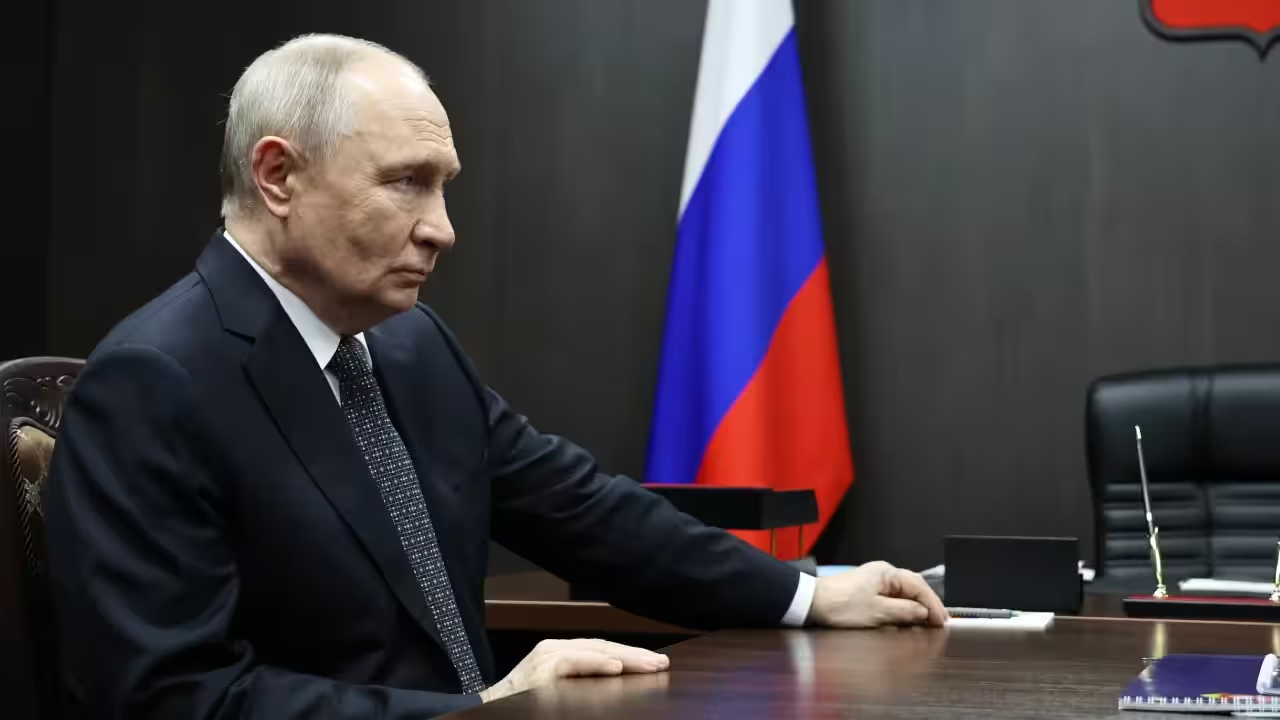
Russia is preparing to cut spending on welfare, education and healthcare in its 2027 federal budget while raising taxes, as the government struggles to meet the rising cost of its war in Ukraine, according to fiscal documents reviewed by Reuters.The draft budget proposes 17.1 trillion roubles ($202.58 billion) for defence in 2027. That is about 27% higher than the 13.5 trillion roubles originally allocated for defence and would be the highest military spending level since Russia launched its full-scale invasion of Ukraine in 2022.Military spending takes priorityThe increase in defence spending comes as Russia's finances have come under growing pressure during the four-and-a-half-year war. Moscow has used its fiscal reserves, borrowed more money and raised taxes to help finance its expanding military expenditure.The new budget would reduce spending on social policy by 7% from the initial plan. This area covers state pensions, payments to war veterans and maternity benefits.Education spending would fall by 6%, while healthcare funding would be cut by 6.8%.Spending under the "national economy" category, which includes road building, infrastructure projects and subsidies for agriculture and other industries, would also fall by 7.4%.Russia is preparing a three-year budget to improve long-term financial planning, but its budget projections have repeatedly been revised as the war has continued. The government has also missed its annual deficit targets several times.Higher taxes and rising household costsThe pressure on public finances is also being felt through higher taxes and other costs. The 2027 draft budget includes new tax increases, while utility tariffs are also expected to rise by more than previously planned.Those measures have angered some supporters of the Kremlin, particularly after they were announced following this month's parliamentary election.The new State Duma is expected to approve the budget. The pro-Kremlin United Russia party is set to retain a constitutional majority, while Russian authorities have repeatedly said that winning the war in Ukraine takes priority over other spending needs.Debt costs add to the pressureRussia's financial burden is not limited to military spending. The government is also spending more on servicing its debt as high interest rates increase borrowing costs.Debt-servicing costs in 2027 are expected to be 21.6% higher than originally planned. They are projected to account for 9.4% of total government spending next year and could rise further to 10.6% by 2029.The federal budget does not include regional and municipal spending, which also accounts for a significant portion of Russia's social expenditure. Even so, the latest figures show how the prolonged war is forcing Moscow to devote more of its finances to defence while putting pressure on other areas of government spending.You use AI every day. Now get your AI Quotient. Take the AIQ test.
Topics in this story
Gathered from external sources. Rights to this text belong to whoever originally published it.