What are the new rules in Scotland's supermarkets?
Restrictions are being put on products with high sugar, fat and salt content, but the meal deal lives on.
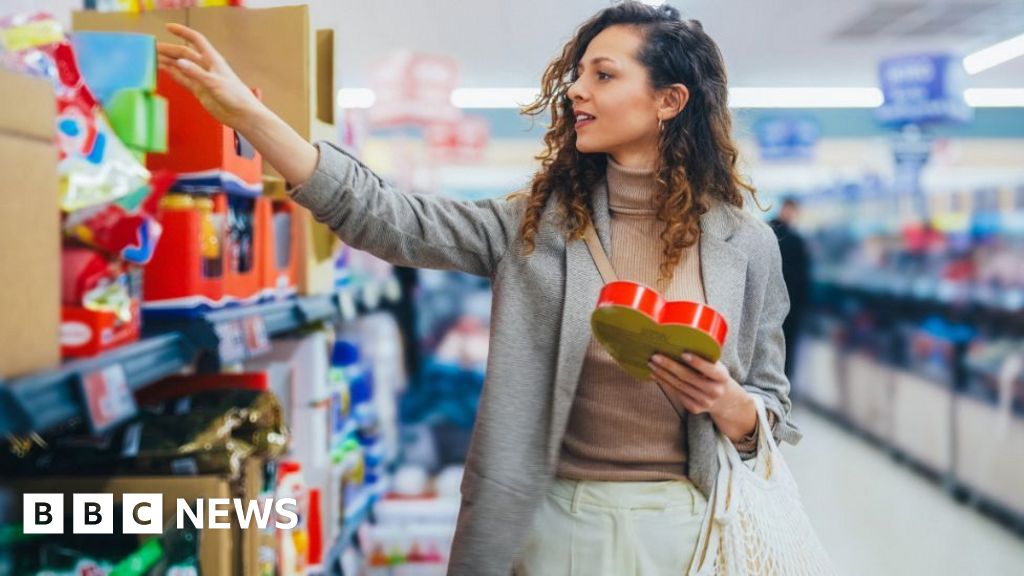
Sugary soft drinks, biscuits and some breakfast cereals have disappeared from prominent positions in Scotland's supermarkets.
The Scottish government has introduced rules meaning some products that are high in fat, sugar and salt can no longer be put in prime end-of-aisle slots, or feature as part of multi-buy offers in store or online.
The regulations will apply to the usual suspects - chocolate, crisps, biscuits and ice cream.
But it could also include kombucha, seaweed snacks, muesli and chewing gum, depending on their sugar content.
The Scottish government regulations apply to businesses with more than 50 employees. This could include supermarkets, high street shops, restaurants, pharmacies, petrol stations and garden centres.
They are are no longer allowed to display pre-packaged foods including sugary soft drinks, confectionery, biscuits and breakfast cereals in prominent locations such as entrances, checkouts, aisle ends and designated queueing areas.
Price promotions on those items - such as "three for the price of two", "three for £10" or "buy five and save 20%" - are no longer allowed.
Multi-buy offers, including extra loyalty points, are also banned.
Another type of deal that falls foul of the rules is those offering a free high-sugar, fat or salt product alongside another purchase - for example, a free chocolate bar with a newspaper.
There are no restrictions on discounts such as half-price or "save £1".
Online retailers also face restrictions - including a ban on advertising some foods on their homepage.
Similar restrictions are already in place in England and Wales .
The short answer is: a lot, if there’s enough sugar, salt or fat packed into it.
Drinks with added sugar - such as lemonade, soda, squash, chocolate milk, almond milk, ready-made coffee, kombucha, energy drinks, and hot chocolate
Savoury snacks such as crisps and tortilla chips, and even lentil-based crisps and seaweed snacks, depending on their content
Breakfast cereals, granola, muesli and oat-based cereals
Pre-made pizzas, roast potatoes, chips, fish fingers and chicken nuggets
Ready meals, as well as pasta, rice or noodles with added ingredients or fillings, such as ravioli and tortellini
Confectionary, such as popcorn, chocolate, chewing gum and sweets
Ice cream, sorbets, ice lollies, sponge cakes, custard, jelly, crumbles
Cereal bars, biscuits, scones, flapjacks, doughnuts and Danish pastries
Sweetened Greek-style, probiotic, kids' and drinking yoghurts
Meal deals are exempt from the regulations, as are "dine for two" offers.
However, any foods identified in the rules, whether part of a meal deal or not, cannot be placed in the restricted locations, such as supermarket entrances.
The Scottish government regulations are being introduced to encourage healthier eating choices.
Public Health Minister Maree Todd noted that two out of three Scottish adults are overweight or obese, with those living in the poorest areas worst affected.
She said: "We know that promotions and prominent product placement can encourage over-consumption and impulse buying of foods with high levels of calories, fat, sugar and salt.
"By restricting the promotion of less healthy food and drink we can make it easier for people to make healthier choices, improving health and wellbeing, and create a Scotland where everyone eats well and has a healthy weight."
Topics in this story
Gathered from external sources. Rights to this text belong to whoever originally published it.