In 2024, Sydney laid a road using fibres from discarded coffee cups and a petroleum-free binder; 15,600 heavy vehicles crossed it in 75 days as tests indicated improved durability
Sydney has trialed a new road surface made from discarded coffee cups and a sustainable binder, demonstrating enhanced durability and reduced carbon emissions under heavy traffic conditions.
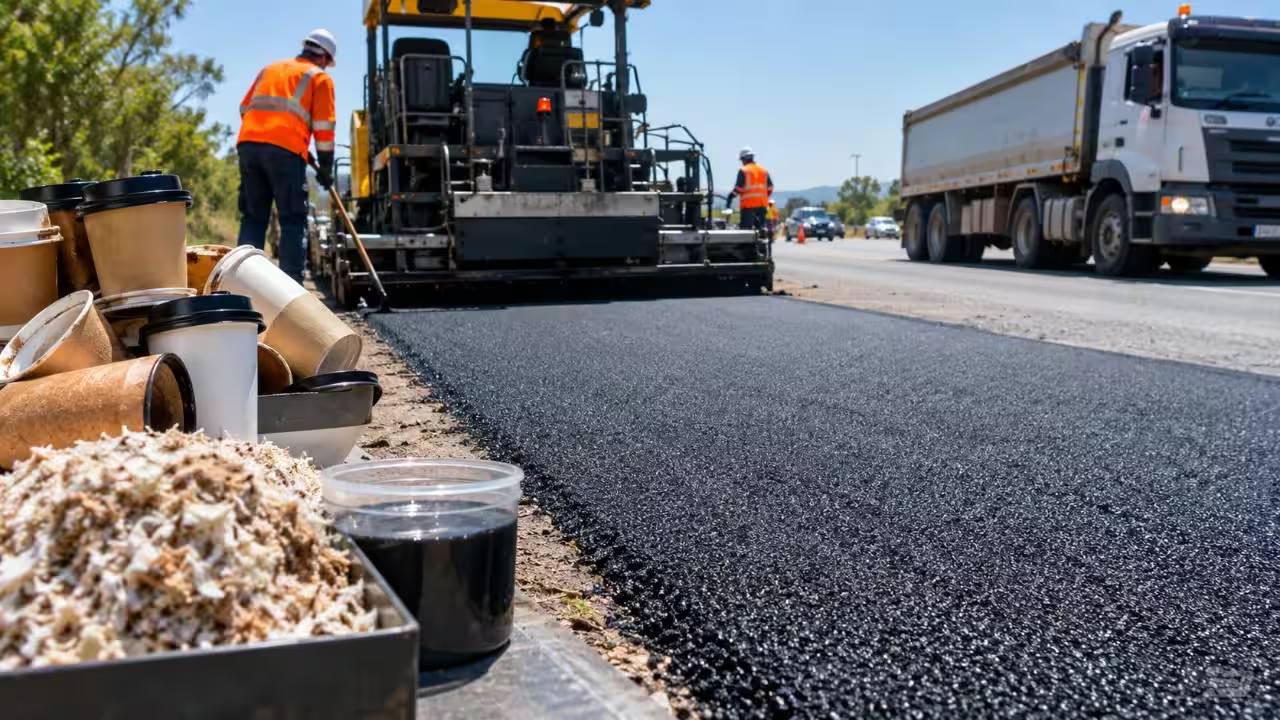
A Sydney road trial has turned waste and renewable materials into a working asphalt surface. In February 2024, workers laid a section of temporary road at Sydney Water’s Upper South Creek Advanced Water Recycling Centre in Kemps Creek using cellulose fibres recovered from discarded coffee cups and a petroleum-free bio-binder.According to Sydney Water, the trial tested whether waste-derived and renewable materials could withstand demanding construction traffic. Over 75 days, more than 15,600 heavy-vehicle movements were recorded across the trial area. The utility later reported that the experimental asphalt appeared to show improved durability and allowed the pavement to be laid thinner than the conventional comparison surface. As road builders look for ways to reduce the environmental impact of conventional asphalt, the Sydney project tested whether waste fibres and renewable materials could perform on roads carrying heavy traffic.From discarded cups to road-building materialDisposable coffee cups are difficult to recycle. Although they are largely made from paper, many have a thin plastic lining that makes conventional recycling more complicated. Research suggests that this fibre-rich material can be recovered and used in asphalt mixtures. A study published in Construction and Building Materials examined shredded coffee cups as a substitute for conventional cellulose fibres used in stone mastic asphalt. The researchers found that small quantities could reduce binder drain-down while maintaining performance comparable to commercial cellulose fibre.The Sydney project used PAKPAVE, a cellulose-fibre product made from waste coffee cups collected through Closed Loop’s Simply Cups program. Sydney Water also notes that each tonne of trial asphalt contained the equivalent of 364 coffee cups. Should the process eventually become a part of the project for permanent internal roads, then the organisation had expected to save up to 415,000 cups from being sent to landfill. The asphalt was also manufactured using SAMIGreen, a polymer-modified, petroleum-free binder containing biogenic materials. This differed from conventional bitumen, which is typically derived from petrochemicals.A thinner road takes on heavy trafficThe trial used stone mastic asphalt containing recycled coffee-cup fibres and bio-binder, laid to a thickness of about 35mm over approximately 295 square metres. This was paired with a traditional pavement construction using around 45mm of asphalt. It was not just a question of economising on the use of materials. Sydney Water tests showed that the recycled fibre and bio-binder mix could produce a more durable pavement, allowing for a thinner layer. Both the trial pavement and the control pavement used 25 tonnes of material.The traffic provided the strongest real-world test. More than 15,600 heavy-vehicle movements took place on the pavement during the 75-day trial. The project initially reported the figure as more than 14,600 movements, which was later revised to more than 15,600. The project reported a 25% reduction in carbon emissions compared with SMA and a 14% reduction compared with dense-graded asphalt. The difference reflected the project's assessment of the materials, pavement thickness and the baseline used for each comparison.What the Sydney experiment could mean for future roadsThe process is attractive because it addresses two problems at once. Hard-to-recycle coffee cups can be used as a fibre, while a part of the oil-based binder can be substituted with a sustainable material. In Sydney, the experiment concerned a temporary road only and is not evidence that all roads can instantly be constructed with the help of coffee-cup fibres and bio-binder. The project says it has not yet been decided whether the mix will be used on permanent roads at the facility.Nevertheless, the test provided something a laboratory could not: real-world traffic from thousands of heavy vehicles. The test showed that pavement made from recycled coffee cups could be manufactured, laid, and tested under heavy construction traffic alongside an asphalt control section. If the materials continue to meet engineering standards, coffee cups may find a new use in Sydney roads.You use AI every day. Now get your AI Quotient. Take the AIQ test.
Topics in this story
Gathered from external sources. Rights to this text belong to whoever originally published it.