A Scottish town bought a marble bust for £5; after it was forgotten and used as a shed doorstop, experts valued it at up to £2.5 million
A centuries-old marble bust of Sir John Gordon, once used as a doorstop in a shed, is now valued at £3.1 million. Discover its fascinating journey and the implications of a temporary export bar placed on this valuable Scottish artifact.
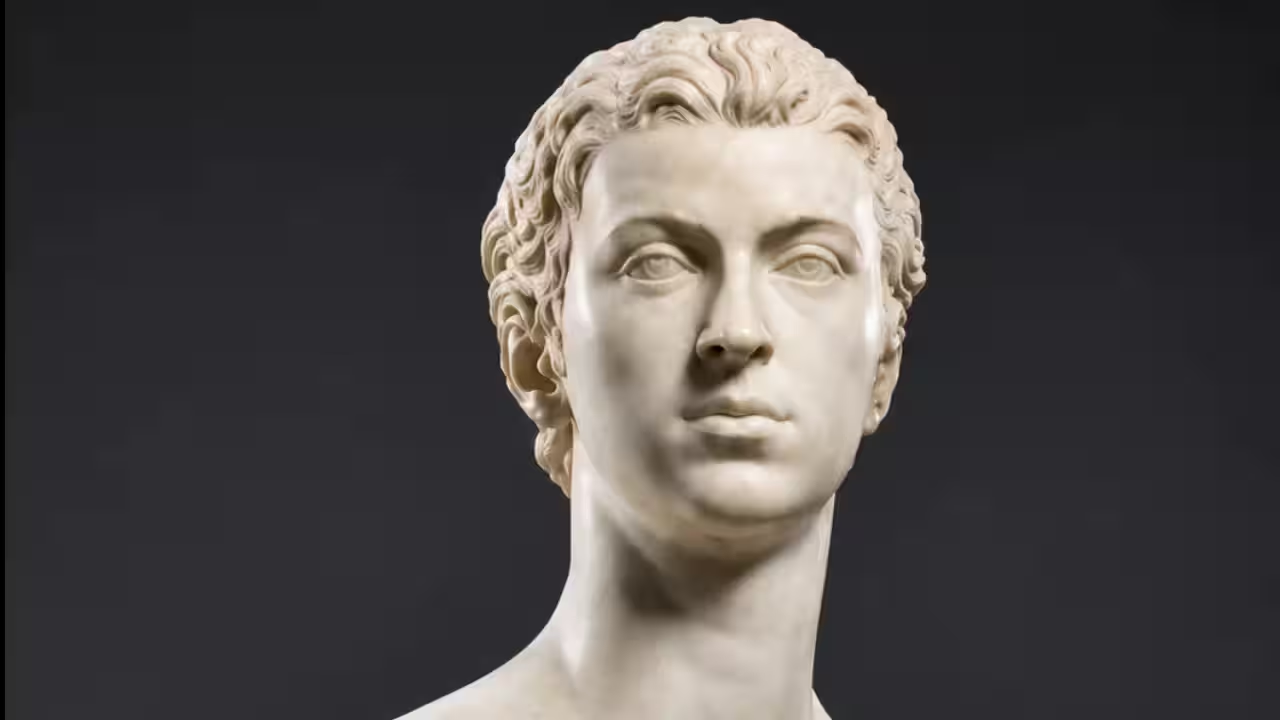
In the Scottish Highlands, a marble bust of an 18th-century landowner spent years propping open a shed door. Few people paid attention to it until someone recognised its value. The small town of Invergordon had been holding a sculpture that the UK government now values at £3.1 million, according to the GOV.UK press release.Invergordon Town Council bought the bust for £5 in 1930Invergordon Town Council bought the bust at the Kindeace House sale in January 1930 for £5 and placed it in the town hall the following month, according to the provenance notes in the GOV.UK press release. The Highland Council, which holds the bust today for the Invergordon Common Good Fund, explains the thinking in its consultation announcement: Sir John Gordon was believed to be the founder of Invergordon and the intention was to show the bust in public. As mentioned in the government statement, Gordon became the Member of Parliament of Cromarty after his father and was the Secretary for Scottish Affairs to Frederick, Prince of Wales, in the 1740s.Edmé Bouchardon sculpted Sir John Gordon in RomeSmithsonian Magazine reports that Gordon met the French artist Edmé Bouchardon in Rome while travelling Europe as a young man and that Bouchardon made the marble there in 1728. The description provided by GOV.UK is that its height is 81 cm and its width is 51 cm. Moreover, this bust is described as the only one in which Bouchardon created a classicizing portrait of a Scottish nobleman. The bust then dropped out of sight. By 1998, it was serving as a doorstop in a shed, the Smithsonian report says. It was later shown at the Louvre in Paris in 2016 and the Getty in Los Angeles in 2017, as part of a Bouchardon exhibition. The Highland Council has owned it since 1999 for the Invergordon Common Good Fund, according to the provenance in the GOV.UK release.The Highland Council’s earlier consultation announcement valued this particular bust at more than £2.5 million. By January 2026, the UK Government had put the official valuation at £3.1 million, plus £620,000 in VAT that an eligible institution could reclaim. Its value made public display too expensive, so the bust stayed in a secure store.The proposed sale received council and court approval in 2024According to ARTnews, a private buyer offered more than £2.5 million for the sculpture through Sotheby’s and promised to pay for a museum-quality replica to be displayed in Invergordon. The Council statement adds that the Common Good Fund has little other property that brings in revenue, so the sale would give it capital income. People had until 15 March 2024 to respond to the consultation. By November 2024, the council and the Sheriff's Court had both backed the sale, the Scotsman reports. Neither approval settled where the bust would end up because the sale still needed an export licence.The UK placed a temporary export bar on the £3.1 million bustA Highland Council Committee paper states the application for a UK export licence was made on 12 March 2025. Objections followed and the Reviewing Committee on the Export of Works of Art looked at the Case in July 2025. It concluded that the bust met all three Waverly criteria of national importance, Rehs Galleries reports.The government announced a temporary export bar on the bust on 9 January, 2026, according to the GOV.UK press release. The recommended purchase price was £3,135,090, which includes the cost of making a replica of the bust for Invergordon. A UK institution that matches that price would keep the bust in Britain. The export licence decision was put on hold until 8 April 2026. When that first deferral period ended, the owner had 15 business days to consider any offers at the recommended price. The export bar put the sale on hold and gave a UK museum or gallery the chance to make an offer matching the recommended price.You use AI every day. Now get your AI Quotient. Take the AIQ test.
Topics in this story
Gathered from external sources. Rights to this text belong to whoever originally published it.