A Delaware couple cared for a backyard triangle for over 20 years before neighbours demanded $30,000 to let them keep the fenced land; an October 30 court ruling has now awarded the entire disputed strip to the couple
A long-running property dispute between neighbours in Newark, Delaware, has ended with a court ruling that gives homeowners legal ownership of a piece of
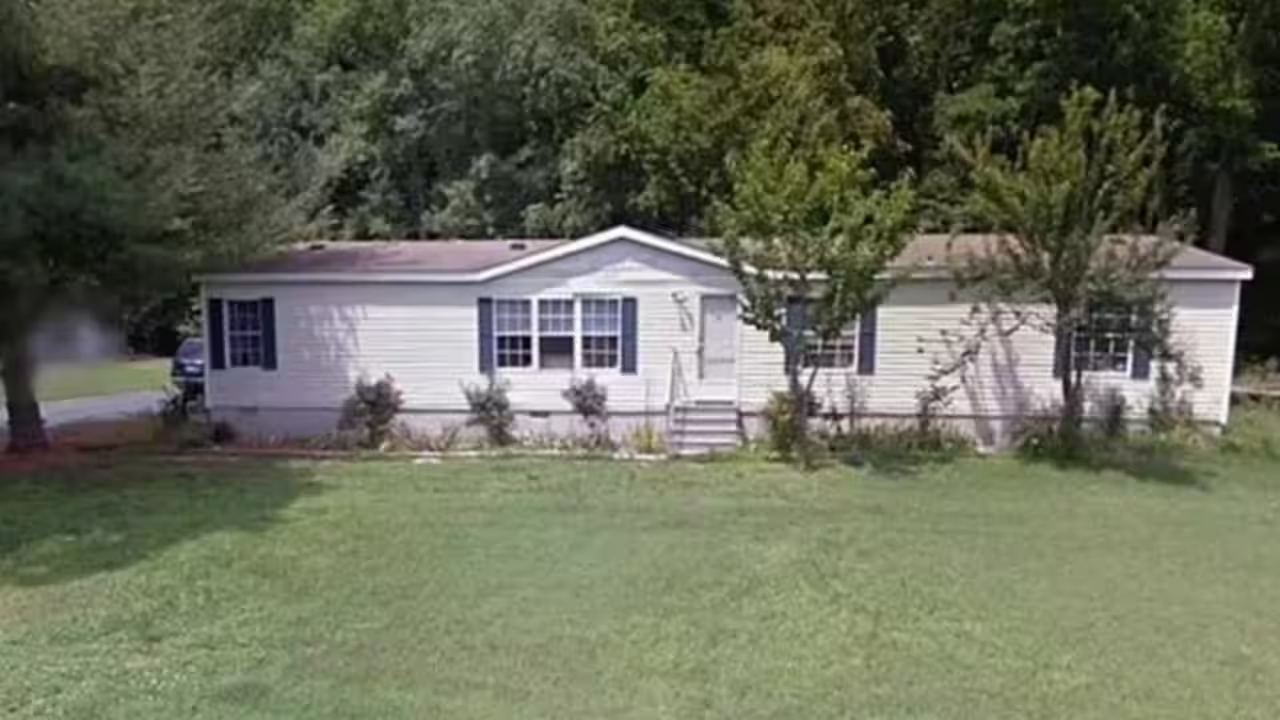
A long-running property dispute between neighbours in Newark, Delaware, has ended with a court ruling that gives homeowners legal ownership of a piece of land they had looked after for more than 20 years. According to legal documents published by Justia Law, the Delaware Court of Chancery issued a decision in an adverse possession case involving Plaintiffs Joseph W.C. Murray, Jr. and Danielle F. Murray and Defendants Nikola Preradovic, Rade Preradovic, and Zeljka Preradovic. The dispute involved a triangular piece of land along the boundary between two neighbouring homes in New Castle County. The Murrays showed that they had openly, continuously, and exclusively used the enclosed rear part of the disputed land for more than the 20 years required under Delaware law. As a result, the court awarded them full legal ownership of that section.Decades of maintenance establishing continuous controlCourt records show that the Murrays had looked after the fenced section of land for around 25 years. The family put up fences, maintained the garden, and regularly treated the rear area behind their home as part of their own yard. Over the years, the Murrays placed several personal items inside the fenced area. These included a stone retaining wall, garden features, a beehive, and a decorative statue. Photographs and witness statements presented in court showed that these items had remained there over time. This helped confirm that the family had continued to control and use the rear yard without interruption. Under Delaware property laws, anyone claiming land through adverse possession must prove that their use of the property was open, visible, continuous, exclusive, and against the interests of the legal owner for at least 20 years. The court explained that continuous use does not mean someone must be physically present every minute. Instead, they must act like an owner in a way that suits the type of land involved.Failed negotiations and monetary demandsThe legal dispute began after the Preradovic family bought the neighbouring property at 234 South Dilwyn in December 2022. Soon after buying the property, the new owners noticed differences in the boundary lines after land surveys. They asked the Murrays to move or remove the existing fence. During the first discussions, both sides considered officially changing the property boundaries through New Castle County authorities. However, the talks broke down because they could not agree on the financial terms. Court documents show that the new property owners asked the Murrays to pay $30,000 in exchange for signing a deed transfer that would allow them to keep the fenced land. The Murrays refused to pay and claimed they already had rights to the land because they had used it for many years. The disagreement then led to a formal case in the Court of Chancery. At first, the Murrays asked the court to enforce what they said was an agreement to transfer the land. In an earlier decision, Magistrate in Chancery Loren Mitchell found that the claimed sale agreement could not be legally enforced. This was because both sides had not clearly agreed on the exact legal description of the property. The case then moved forward to a full review of the main adverse possession claim.Division of the disputed triangular parcelWhen reviewing the land and its layout, the Court of Chancery divided the disputed triangular area into three separate sections. These were the enclosed rear yard behind the fence, a stone planter area, and an unfenced grass lawn stretching towards the street. The court decided that the Murrays had met all the legal requirements for adverse possession of the rear section enclosed by the fence and retaining wall. The ruling explained that the fence clearly showed that the family was treating the land as their own. This would have been obvious to anyone who owned or lived on the neighbouring property. However, the court rejected the Murrays' claim to the front sections of the triangular plot. These included the planter area and the front grass strip beside the road. The court found that the family had not maintained these areas regularly. There were periods when the grass became overgrown, and other people also had access to the space. The judge ruled that regularly cutting grass along an unfenced front boundary was not enough to prove exclusive control against the legal owner. Such activity did not meet the legal standard needed to take ownership away from someone who already held the deed. As a result, the court officially awarded the Murrays ownership of the enclosed rear yard. However, the Preradovic family kept legal ownership of the outer front lawn.You use AI every day. Now get your AI Quotient. Take the AIQ test.
Topics in this story
Gathered from external sources. Rights to this text belong to whoever originally published it.