India highlights nuclear advances, development partnerships at UNGA session
India has reaffirmed its commitment to the safe, secure and peaceful uses of nuclear science and technology at the 81st session of the United Nations
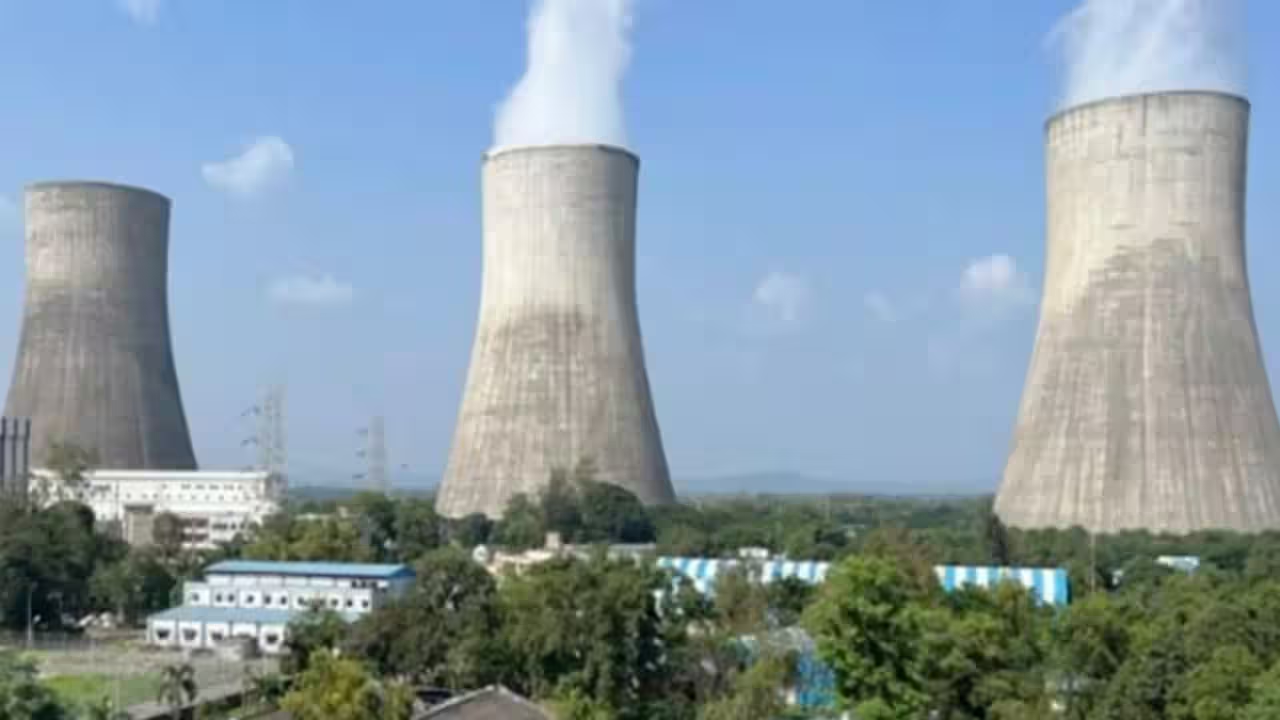
India has reaffirmed its commitment to the safe, secure and peaceful uses of nuclear science and technology at the 81st session of the United Nations General Assembly (UNGA), highlighting the role of the International Atomic Energy Agency (IAEA) in promoting sustainable development and strengthening institutional capabilities.Sangeeta Kumari Singh Deo, Member of Parliament and leader of the Indian Parliamentary Delegation, addressed the General Assembly on the report of the IAEA, underlining the agency's role in helping member states develop human and institutional capacities, including regulatory frameworks for the peaceful application of nuclear science.In a post on X, India's mission to the UN said Singh Deo highlighted India's advancements in nuclear technology and its support for the IAEA's Technical Cooperation Programme and flagship initiatives.The mission also said India had reiterated its commitment to South-South cooperation to ensure that the benefits of nuclear science reach countries seeking them, while maintaining robust nuclear safety and security frameworks.Countries thank India for development assistanceSeparately, several countries acknowledged India's development assistance at the Ninth Annual India-UN Development Partnership Fund event held on October 22.Representatives from Laos, Sri Lanka, Tanzania, Micronesia, Moldova, Morocco and Saint Lucia were among those expressing appreciation for India's support.Moldova's Permanent Representative to the UN, Ambassador Gheorghe Leuca, said the partnership had strengthened the country's ability to use population data to improve public policies.“At a time of ODA strain, India's sustained committment sends an important message: ‘Partnership built on solidarity, mutual respect and national priorities can continue to deliver tangible results,’” Leuca said.Sri Lanka's UN envoy, ambassador Jayantha Jayasuriya, said the India-UN Fund addressed diverse thematic areas and supported projects based on the needs identified by participating countries.“The India-UN Fund caters to diversified thematic structures and these projects respond to needs identified by the countries themselves... its underlying philosophy is that respect for national priorities matters,” he said.Laos' UN ambassador, Thongphane Savanphet, commended India's role in advancing cooperation among developing countries.“We commend the Govt of India for the vital role in promoting the South-South cooperation. The India-UN Fund serves as an example of solidarity and partnership among developing countries, in supporting national development priorities. India has also extended its general support for our national priorities through other cooperation mechanisms,” he said.Tanzania's representative to the UN, ambassador Togolani Edriss Mavura, also expressed appreciation for India's continued support for sustainable development in the country.“Tanzania expresses its sincere appreciation to India and the India-UN Fund for their continued support for sustainable development in Tanzania,” he said.A representative of Morocco's delegation praised India's role in the initiative, saying: “We commend India's vision and generosity, as well as the UN Office of South-South Cooperation for its dedicated stewardship of this demand-driven initiative. Nearly a decade after its launch in 2017, the fund's record speaks for itself.”Mozambique's Permanent Representative to the UN, ambassador Domingos Estêvão Fernandes, said the fund demonstrated South-South cooperation based on national priorities, equality and non-interference, while complementing North-South cooperation.IAEA highlights growing role of nuclear energyMeanwhile, IAEA director-general Rafael Grossi told the UN General Assembly that global nuclear power use could more than triple by 2060.Grossi said the projected growth would be driven by electrification, data centres powered by artificial intelligence and technology companies' demand for reliable, carbon-free electricity.“In 2025, more than 400 operating reactors in more than 30 countries produced 10 per cent of global electricity and a quarter of its low-carbon electricity,” Grossi said. He added that more than 60 new reactors were under construction and projections for future nuclear capacity had increased significantly.Grossi also addressed nuclear programmes in Iran and North Korea, threats to nuclear safety linked to the war in Ukraine, and progress in clarifying questions about Syria's nuclear activities.On Iran, he called for renewed diplomatic efforts and said IAEA inspectors needed to return to the country to support verification under any sustainable agreement.Get the latest India News and Live updates. Download the TOI app.
Topics in this story
Gathered from external sources. Rights to this text belong to whoever originally published it.