Your vacuum cleans your home, but are you cleaning your vacuum? Here’s the right way to do it
To learn how to clean a vacuum, I spoke to a home cleaning expert for their advice and recommendations. Here’s how to do it to make sure your appliance lasts.
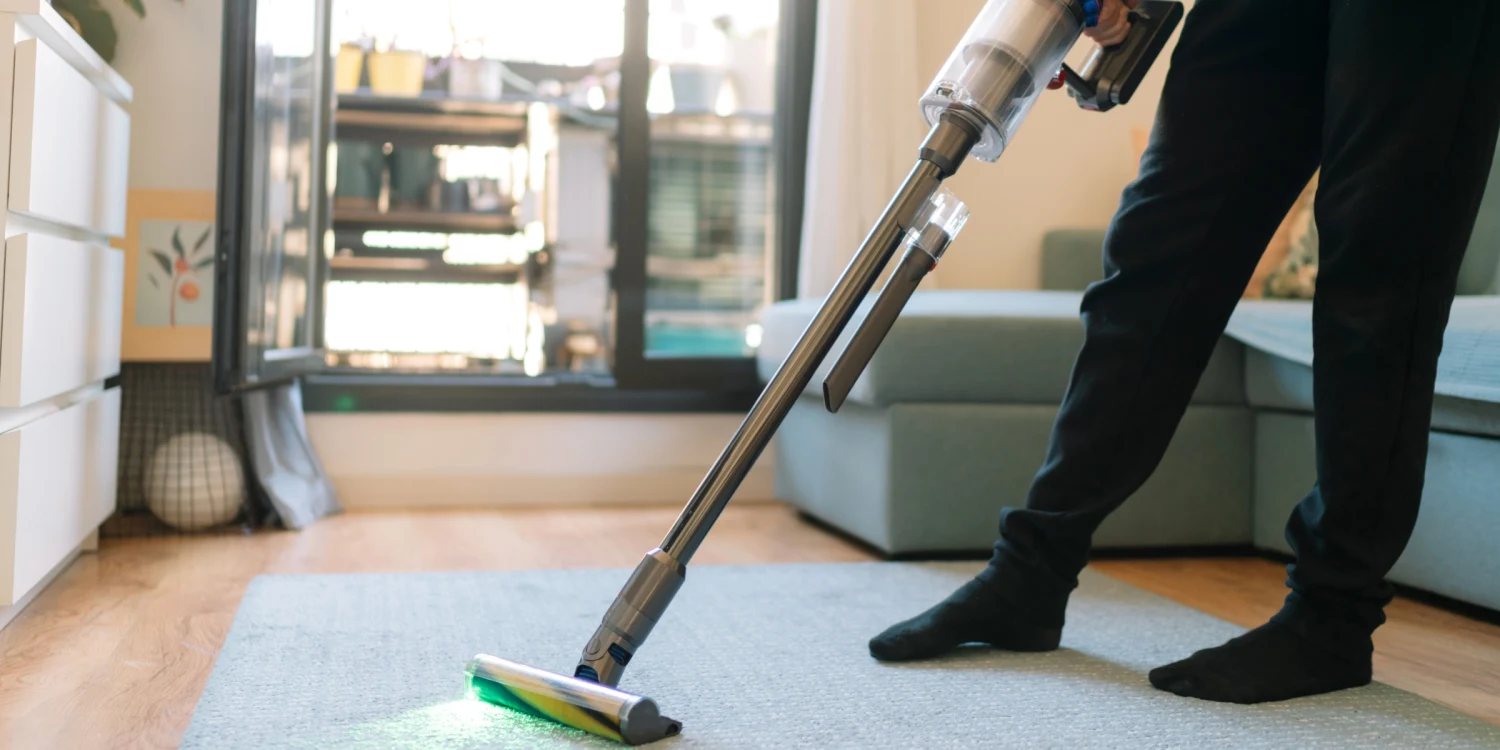
Your vacuum is probably one of your most used home appliances, particularly if it’s an upright, cordless, robot or handheld model from a popular brand. With that said, it might also be one of the least cleaned appliances in your home. Yes, your vacuum itself should be cleaned from time to time, and this means more than just emptying the dust bin. Depending on what type of vacuum it is, you may have to be more hands on with your cleaning methods. To learn more about how to clean a vacuum without disrupting how well it works, I spoke to a cleaning professional to get their guidance. Below, I rounded up products based on their recommendations and also included popular cleaning tools and appliances that we have tested at NBC Selected. Want more from NBC Selected? Sign up for our newsletter, The Selection, and shop smarter. The best products for cleaning a vacuum All of the product recommendations below are based on our previous reporting and/or have at least a four-star average rating from 500 or more customers on Amazon. This brush set includes one long (67-inch) nylon wire hose with wide bristles on one end, and small bristles on the other. It also comes with two short, 8-inch wire brushes with small bristles on the end, which are great for cleaning small holes and tubes. The bendable wires help the brushes clear out debris from tubes that would otherwise be hard to reach, so they’re great for cleaning some parts of vacuums (like the hose or crevice tool), and they’re also ideal for cleaning parts of your fridge or filters for other home appliances. Microfiber cloths are an essential when it comes to any form of cleaning around your home, including cleaning appliances like vacuums. This set includes 12 reusable cloths that are 11.5 by 11.5 inches each, larger than a sheet of copy paper. The cloths are available in more than 10 colors and you can get them in sets of five, eight, 24, 50 and 100. People who bought them say they believe they’re a great value for the price and that they hold up very well, even after months of cleaning and being washed. Ryan Knoll, owner of home cleaning services company Tidy Casa, recommends using Dawn dish soap for cleaning a lot of surfaces around your home, including your vacuum. You can use a small amount of this foaming dish soap spray to coat the dust bin, filter and other parts of your vacuum, and then follow by rinsing and/or wiping cleaning with a microfiber cloth. It’s available in several scents, like apple and lemon, as well as an unscented version (though some versions are only available as a liquid not a foaming spray). One important part of cleaning your vacuum will include cleaning and/or replacing your vacuum’s filter, as Knoll mentions. Many vacuums come with reusable filters, but if you’re due for a new filter and happen to have the Shark Navigator Lift Away, one of the most popular upright vacuums on the market, you should consider this filter replacement. The filter is compatible with more than 20 versions of the Shark Navigator Lift Away, so if you have one, chances are it is compatible. If you’re unsure, you can check the label on the side of your vacuum to make sure the model name matches the list of compatible filters. It includes two HEPA filters, four foam filters and four felt filters which, combined, help sift out dust, pet dander and more, according to the brand. Why do you have to clean a vacuum? It’s important to clean your vacuum regularly because doing so will ultimately help it do its job effectively and for as long as possible. “A vacuum with things stuck in the hose or a dirty filter can really affect how well it works,” says Knoll, who says he and his team go through tons of vacuums. Cleaning your vacuum means more than emptying out the dust bin, too — for a thorough clean, you should also remove, if possible, the brush roll, nozzle, hose, filter, and attachments. How do you clean a vacuum? The steps for cleaning different types of vacuums may vary slightly depending on whether it is an upright, cordless or robot vacuum, but for the most part, many of them have some of the same parts: brush roll, filter, hose and crevice and/or upholstery attachments. Below are some of the most general steps you should take to clean your vacuum. For upright vacuums, unplug the appliance. For cordless and robot vacuums, be sure to remove the battery. Identify the main parts of the vacuum, including the brushroll, filter, suction head, hose, dust bin and attachments. These are the main parts to clean. Some of them are easier to clean if you remove them, while others, like the brush roll, aren’t necessarily, so you don’t have to remove it to clean it, according to Knoll.If possible, find and remove the filter, dust bin and attachments, says Knoll. “Most of these things come apart relatively easily,” he says. “For modern vacuums like Shark, Dyson, and Bissell, you’ll usually have clearly labeled tabs/switches, so you can flip them and remove the dust bin, brush roll, hoses, or filters.”Start with the dust bin. “It’s a little different for each, but for most dust bins, there are two locking clasps on the right and left sides of the bin that you need to flip to remove it,” says Knoll. Manually remove as much debris, dust and dirt as possible and empty it into the trash. Rinse out the dust bin with a small amount of warm water. Spray the inside with a small amount of Dawn Platinum Powerwash Dish Spray, rinse it out again and then dry with a microfiber cloth. Move onto the filter of the vacuum. “The filter usually sits above or under the dust bin. If it’s disposable, toss it and get a new one,” says Knoll. “If it’s reusable (most are these days), add a little drop of mild Dawn dish soap and run some water through it.” It’s extremely important to allow the filter to dry completely before reattaching it and using the vacuum, because it can grow mildew and create odors, according to Knoll. Clean the brush roll, hose and attachments of the vacuum (if applicable). You don’t have to remove the brush roll to make it easier to clean, according to Knoll. “If you turn the vacuum over, you’ll usually see hair wrapped around the brush roll,” says Knoll. “Use scissors to cut between the bristles, then pull the hair out. If you’re having trouble getting the hairs out, cut more, or grab an old hairbrush or a metal tool made for getting hair strands out of bristles, to pull them out.” To clean the hose and attachments, use an object to push out any lodged debris that may be inside. Knoll says he rolls a ping pong ball through the hose to be sure nothing is lodged. Try using something like a long-handled brush, like the Desin Flexible Drain Brush Set, to push debris out of the other end of the hose. After, follow the steps above and rinse it with warm water and a small amount of mild dish soap, and dry it completely before reattaching. How long should a vacuum last? Your vacuum’s longevity heavily depends on how often you use it and how you maintain it. As a professional home cleaner, Knoll says he and his team use vacuums at least three to four times a day, and they last around two years at least, but this is more than the average person. “That said, civilian vacuums used every two to four weeks should easily last three to five years,” he says. “Some traditional upright vacuums can last as long as 10 years. A traditional Sanitaire Tradition upright can last this long.” How do you know when it’s time to replace your vacuum? Before you decide to spend money on another vacuum, it’s important to make sure you’ve done your due diligence when it comes to vacuum maintenance to determine if it’s ready to be thrown out, according to Knoll. “If you clean the filters, remove any clogs, check the brush roll, and it barely picks anything up, it’s probably time to start looking into a new vacuum. Overheating is another sign, or if it repeatedly shuts off,” he says. “This is usually a sign of a failing motor, and the motor is one of the few pieces that are really hard to replace.” How often should you change your vacuum’s filter? It depends on the type of filter, according to Knoll. “Disposable vacuum filters should be changed every six to 12 months,” he says. “For reusable/washable filters, I’d clean them every two to three vacuuming cycles. For foam filters, I’d check them monthly and replace them when they start to break down or no longer clean properly.” Meet our cleaning expert At NBC Selected, we work with experts who have specialized knowledge and authority based on relevant training and/or experience. We also take steps to ensure all expert advice and recommendations are made independently and without undisclosed financial conflicts of interest. Ryan Knoll is a cleaning expert and the owner of home cleaning services company Tidy Casa. Why trust NBC Selected? I’m a commerce editor at NBC Selected, where I write about home and kitchen appliances, cleaning, storage and organization and more. I’ve written about how to clean your washer and dryer, hardwood floors, stainless steel appliances, air fryers, coffee makers and even mattresses. I also write about vacuum deals during major sale events like Amazon Prime Day, Black Friday and Cyber Monday. For this story, I spoke to a home cleaning professional for their guidance and recommendations. Catch up on NBC Selected’s in-depth coverage of tech and tools, wellness and more, and follow us on Facebook, Instagram, X and TikTok to stay up to date.
Topics in this story
Gathered from external sources. Rights to this text belong to whoever originally published it.