After developing haircare products in Illinois, Annie Malone moved her small business to St. Louis in 1902; Poro products spread across the US, and she became one of the wealthiest Black women of her time
Explore the inspiring journey of Annie Turnbo Malone, a pioneering Black woman who founded Poro College and transformed the haircare industry with her innovative products, overcoming racial and gender barriers in the early 20th century.
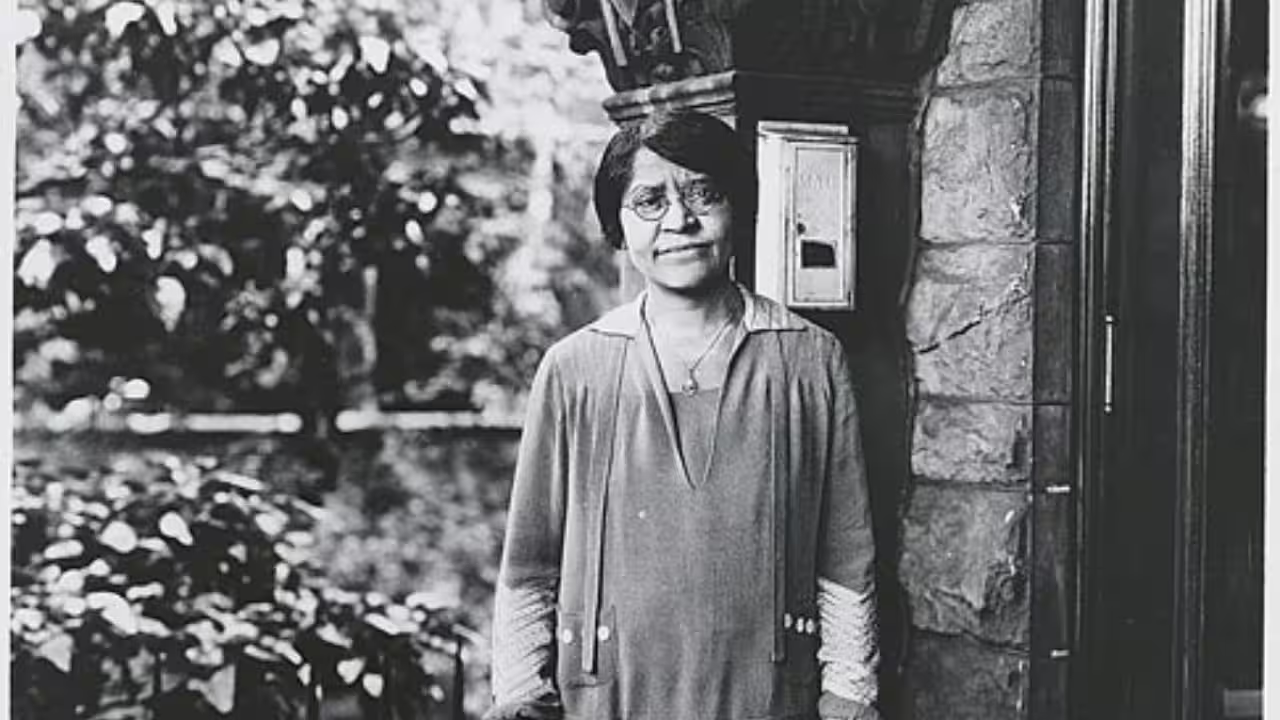
Achieving meaningful goals in the face of systemic barriers has always demanded relentless hard work and unwavering self-belief. Throughout history, while many were forced to yield to adversity, a determined few possessed the resilience to overcome every obstacle in their path. One such figure was Annie Turnbo Malone, who built a successful beauty business in an era shaped by racial and gender barriers.According to the accounts shared by the National Museum of African American History & Culture (NMAAHC), Annie was born in 1869 in Metropolis, Illinois, to formerly enslaved parents, both of whom died while she was young. From an early age, Annie recognized that for an African American woman, physical appearance and grooming were not just about personal fashion; they were expressions of identity, status, and resilience. She believed that improving scalp and hair health could make a meaningful difference in their livesDuring her childhood, Annie used to enjoy styling her sisters’ hair. This passion motivated her to build products that helped women embrace their natural beauty, rather than conform to the American standards of beauty that excluded them.As a Black woman entering the business world, Annie not only faced racial segregation but also gender discrimination. Despite these barriers, she stood her ground and began experimenting with chemistry to formulate safe, effective haircare solutions. She launched a line of products focused on improving scalp health and stimulating hair growth. This line featured various scalp preparations, including her flagship Wonderful Hair Grower.The history and rise of Poro CollegeAs cited in the historical records shared by the NMAAHC, after getting initial success in Illinois, Annie relocated to St. Louis, Missouri, in 1902 to expand her business. Over the next decade and a half, her business grew rapidly, leading her to establish Poro College Company (also known as Poro College) in 1918, a cosmetology center that was named after the Poro society, a secret organization in West Africa that embodied physicality and spirituality. Then, Poro College served not only as a training center, but also as a major engine of employment for African Americans, especially women.Annie’s Poro sales agents ranged in age from 16 to 80 and were trained to market her specialized products while applying the Poro system of scalp cleansing and hair conditioning. Throughout the company’s lifespan, tens of thousands of men and women sold Poro products across the United States and around the world.Beyond haircare items like the Wonderful Hair Grower, Special Hair Grower, and Tetter Relief, the company expanded into cosmetics, offering cold cream, lipstick, and even face powders in multiple shades of brown alongside white.Furthermore, Poro College offered African Americans, as well as major Black organizations like the National Negro Business League, a place to meet and discuss their ideas when the majority of public places excluded them.Poro Company faced severe setbacks In the 1920s, Annie’s Poro brand grew rapidly, increasing the value of her company and making her one of the wealthiest African American women. Even at the height of her fortune, she didn’t forget her roots and remembered to give back to her people. At that time, she contributed substantial funds to philanthropic initiatives in the St. Louis area and beyond, supporting institutions like Howard University.However, by the end of the decade, the Poro Company faced numerous financial setbacks driven by a bitter divorce settlement, costly legal disputes, and the economic and social devastation of the Great Depression. Despite the struggles, the company stayed afloat but at a fraction of its original scale.You use AI every day. Now get your AI Quotient. Take the AIQ test.
Topics in this story
Gathered from external sources. Rights to this text belong to whoever originally published it.