California sanctuary is removing purple sea urchins to help restore kelp; 117,847 pounds have been added to compost
California sanctuary is removing purple sea urchins from areas targeted for kelp restoration and giving them a second use as compost.
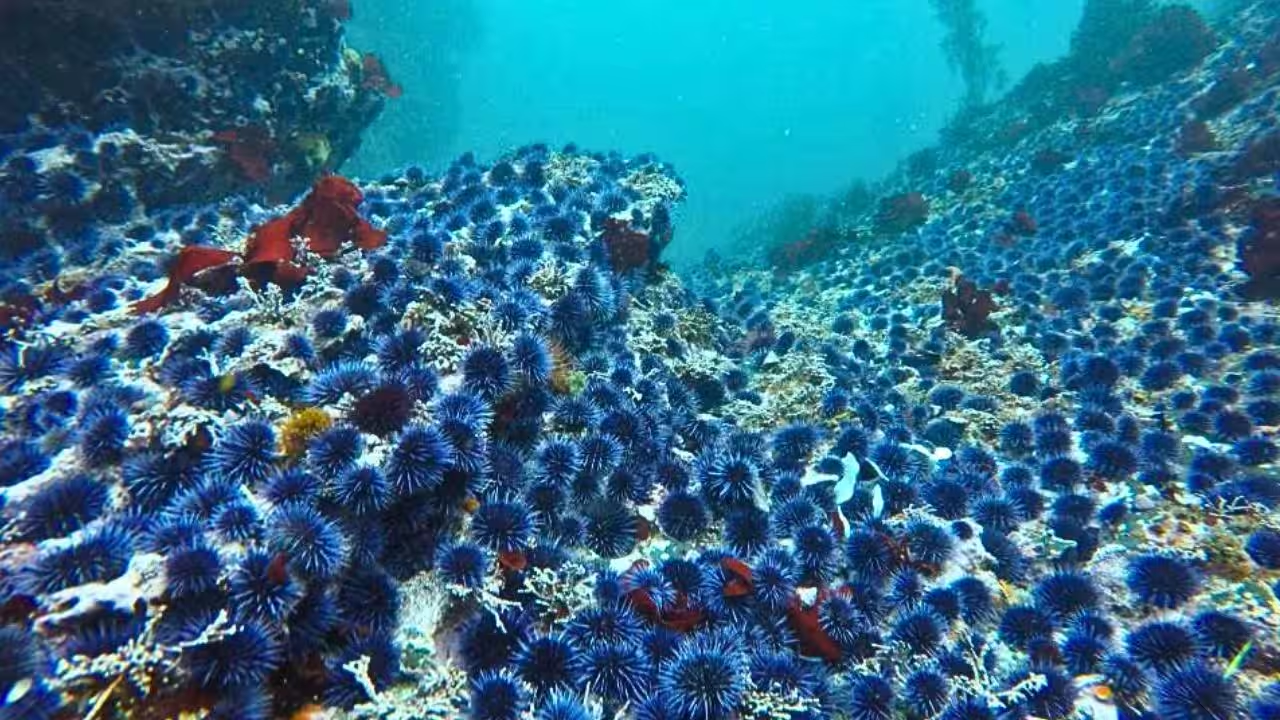
California sanctuary is removing purple sea urchins from areas targeted for kelp restoration and giving them a second use as compost. Since 2023, urchins collected from restoration sites in Greater Farallones National Marine Sanctuary have been transported to West Marin Compost in Marin County.Removing the urchins helps reduce their numbers near bull kelp, which gives the kelp a better chance to survive, reach adulthood, and release spores. According to the National Oceanic and Atmospheric Administration (NOAA), a total of 117,847 pounds of purple urchins have been added to the compost mix as of July 2025. The animals also provide nitrogen, calcium, and micronutrients that enrich compost used by local farmers and gardeners.How are purple urchins being removed and turned into compostThe purple urchins are harvested by hand from areas selected for their high potential for kelp restoration. The effort is led by the Greater Farallones Association, along with Greater Farallones and Cordell Bank National Marine Sanctuaries. After being collected, the urchins are transported to West Marin Compost, where they are added to the compost mix. Since 2023, 117,847 pounds of urchins have been added to the compost. Reducing the number of purple urchins around bull kelp gives the plants more opportunity to survive, mature, and release spores that can produce the next generation. Commercial urchin diver Erik Owen has been collecting the animals for the restoration project since 2023. The harvested urchins are then taken to West Marin Compost, where they become part of the composting process.Why are purple urchins being removed from kelp restoration sitesPurple urchins feed on kelp, and their numbers can rise sharply when kelp forests decline because of different stressors. Greater Farallones National Marine Sanctuary has experienced a catastrophic loss of bull kelp since 2014 following a series of events. As the kelp declined, purple urchins became a dominant part of the nearshore environment and continued feeding on the remaining bull kelp. The restoration effort focuses on areas where kelp has a strong chance of recovery.Why are starving purple urchins composted instead of sold as seafoodPurple urchins collected during the restoration work have little commercial value because they are starving after losing much of their bull kelp food supply. They may remain in this condition for years and produce very little uni, a prized delicacy once obtained from healthy red urchins in the sanctuary and along the Sonoma and Mendocino coasts before the major kelp die-off.Local divers collect the urchins at restoration sites and send them for composting instead of exporting these animals for food. This gives the animals another purpose while supporting the restoration effort. Once composted, the urchins become part of material used to grow food, connecting kelp restoration with local agriculture.Purple urchins turn marine nutrients into compost for farmsAt West Marin Compost, the harvested urchins add nutrients to compost used by local agriculture. Jeff Creque, a consultant with West Marin Compost, said,"Urchins are a great source of nitrogen, calcium, and micronutrients. We are happy to have a bit of the sea added to our material". The composting effort gives the purple urchins collected from kelp restoration areas a new purpose by turning them into material that can support farmers and gardeners.The wider restoration project also involves work with Northern California’s Tribal community, research at sites where kelp has persisted, collaboration with commercial urchin divers to remove urchins from restoration areas, and kelp outplanting. Together, these activities support the broader effort to restore the ecosystem.You use AI every day. Now get your AI Quotient. Take the AIQ test.
Topics in this story
Gathered from external sources. Rights to this text belong to whoever originally published it.