One of the world’s wealthiest cities is enduring the world’s most polluted air. Here’s why
Singapore becomes world’s most polluted city from toxic smog in Indonesia
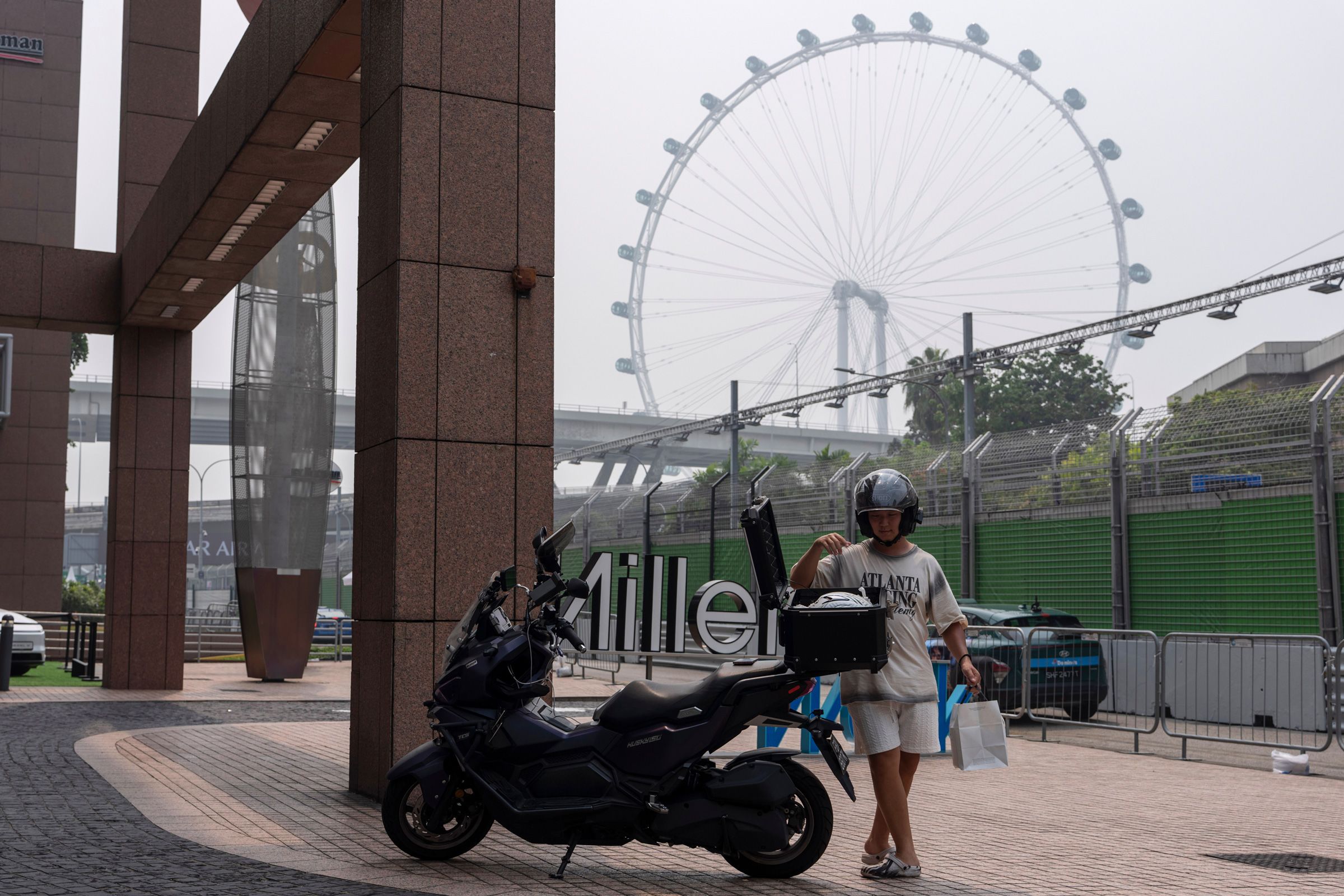
Singapore, one of the wealthiest cities in the world, has become the most polluted on the planet as it chokes under a blanket of thick, toxic smog caused by fires in neighboring Indonesia. Pollution has cast a pall on the city-state as it gets ready to host a packed weekend of marquee events ranging from international conferences to the glitzy Formula One Grand Prix night race. Air quality in the city-state was at the “very unhealthy” range with an air quality index (AQI) of 216 Friday mid-morning, according to Swiss air quality monitor IQAir. The financial hub topped the list of most polluted cities by IQAir this week and was still at the top spot Friday morning. Kuala Lumpur, also deeply affected by the Indonesian fires, was at number two. Singapore’s skyline, including Marina Bay Sands and other skyscrapers were reduced to faint silhouettes amid the pollution. The key Asian financial hub – with a population of 6.21 million and annual GDP of more than $650 billion – and neighboring Malaysia have had to endure the haze almost annually. Fires in Indonesia are an annual event during the country’s dry season when huge stretches of peatland are cleared and drained for commercial plantations, including those that produce palm oil, an ingredient used in a slew of products from noodles to toothpaste. But this year, the arrival of what’s expected to be a “super” El Niño — a supercharged version of the natural climate pattern which tends to bring bone dry conditions to the country — has set the stage for unusually intense blazes. In an update on its website Thursday, Singapore’s National Environment Agency said “moderate to dense smoke plumes from southern and central Sumatra and West Kalimantan were observed to drift towards Singapore,” referring to Indonesian regions. “Under the prevailing southeasterly or southerly winds, smoke haze may continue to drift towards Singapore,” it added. Entertainment events held outdoors at the F1 event in Singapore could potentially be affected but not the race itself, the motorsport’s governing FIA said Thursday, according to Reuters. On Friday, race organizer Singapore GP told CNN “there are currently no plans to modify our entertainment activities” at the event. Acts to entertain F1 spectators include Janet Jackson and The Killers, among others. This is not the first time the Singapore night race is facing air quality issues. The races in 2015 and 2019 were also enveloped in thick haze and they went ahead. Nevertheless, the Singapore Tourism Board told CNN on Friday: “Action plans are in place based on the intensity of the haze.” F1 drivers, however, don’t seem too bothered. Cadillac driver Valtteri Bottas, who cycled more than 400km (248 miles) from Malaysia to Singapore this week, told Reuters: “I don’t feel like it’s that extreme yet. I mean, it’s not great, but I don’t think there’s that much you can do.” Ferrari’s Lewis Hamilton told Reuters he has “much bigger issues to focus on.” Neighboring Malaysia has also been heavily affected by the smog with the education ministry shutting schools across several states this week as the situation worsens.
Topics in this story
Gathered from external sources. Rights to this text belong to whoever originally published it.